Where Are High Temperature Automotive Wires Used in Palsana Industries?
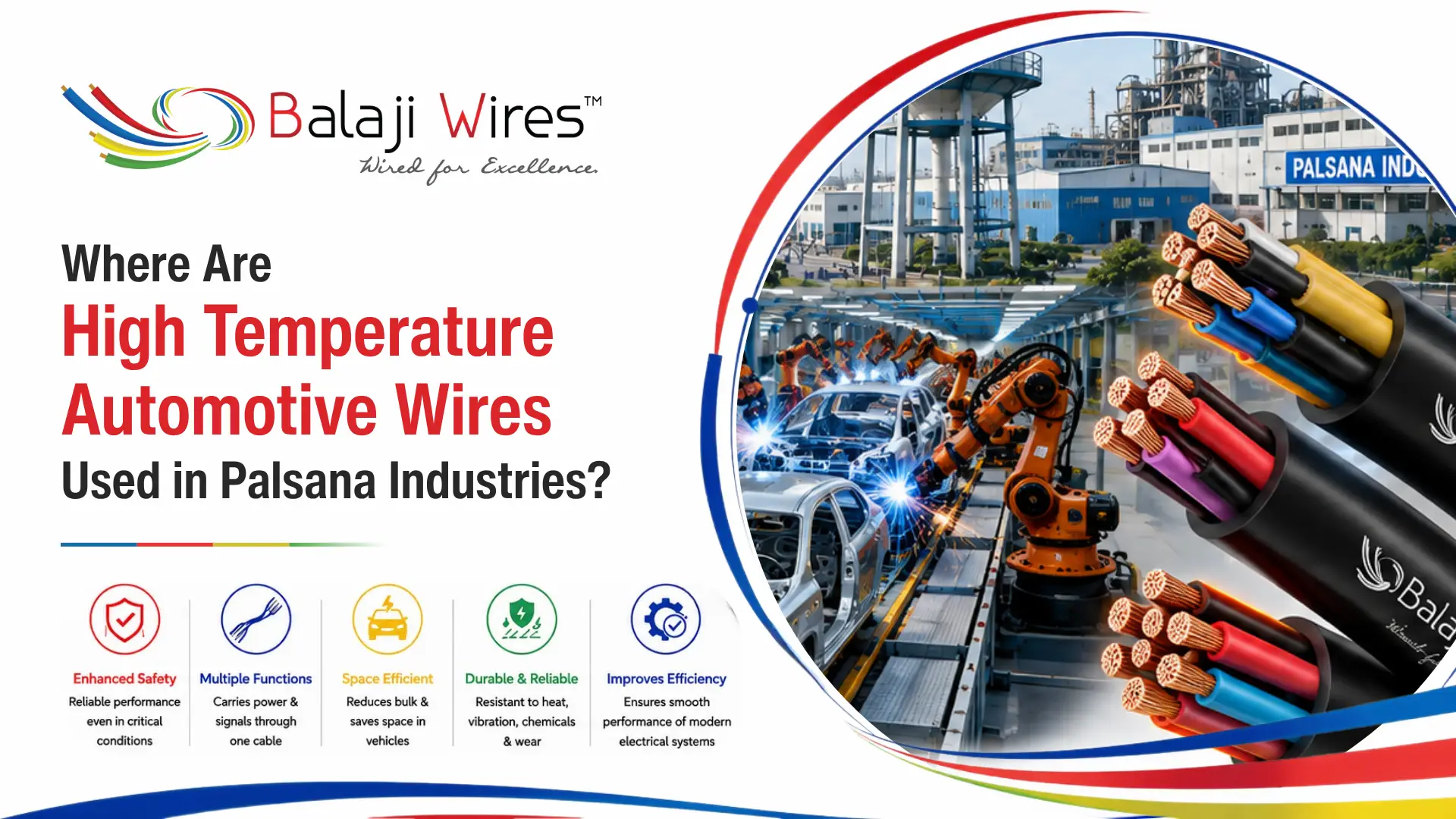
Devendra runs production at an auto ancillary unit in Palsana GIDC where his team assembles wiring harnesses for commercial vehicles supplied to OEMs across Gujarat, a few months ago one of his client’s service teams flagged a pattern. Harnesses near the engine bay were showing insulation cracking well before the expected service life while the rest of the vehicle’s wiring held up fine, it was not a one off complaint either, three separate vehicles from the same batch showed similar wear in almost the same spot.
That is when Devendra started digging into what his line was actually using for underhood wiring and whether it was rated for the heat those wires were sitting in every single day.
Why Palsana’s Auto Component Makers Are Paying Closer Attention to Wire Quality
Palsana has become a genuine hub for auto ancillary manufacturing, with units supplying harnesses, brackets and sub assemblies to vehicle makers across western India, competition has tightened and OEMs now run stricter audits, so small quality gaps that once went unnoticed get caught much faster, wiring is one of those areas.
For a unit like Devendra’s, the automotive wires Palsana buyers choose are not just a line item anymore, rather they are a factor in whether a harness passes inspection the first time or gets sent back for rework, that shift alone has pushed more production managers to ask harder questions about the automotive wiring solutions in Palsana suppliers actually offer instead of just comparing price sheets
What Makes a Wire Suitable for High Temperature Automotive Use
So what actually separates a high temperature automotive wire Palsana units can rely on from a standard one? It comes down to the insulation.
Most general purpose automotive wires use PVC insulation which works fine in cooler, drier locations of a vehicle. But high temperature automotive wires Palsana manufacturers produce for underhood use typically rely on materials like cross linked polyethylene (XLPE), silicone rubber or PTFE, these materials hold their shape and insulating properties even when temperatures climb well above what PVC can handle.
The conductor is equally important, a fine stranded copper conductors properly sized for the current load, help the wire flex during engine vibration without breaking down internally. It is a small detail but it is often the difference between a harness that lasts and one that fails quietly over time.
Why Regular Wiring Struggles Under the Bonnet
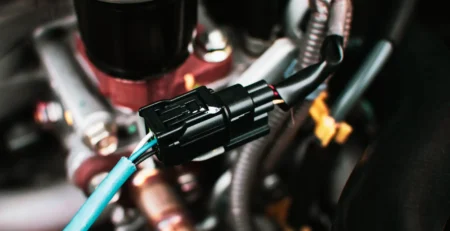
Here is the part Devendra had not fully accounted for. The engine bay is not just hot, it is a mix of heat, vibration, oil exposure and constant temperature swings between a cold start and a fully warmed up engine.
Standard wire insulation can go brittle under repeated heat cycling, add vibration from the engine and road, plus occasional contact with coolant or engine oil and you get a slow breakdown that does not show up in a quick visual check, it shows up months later as a short circuit or a sensor misread or exactly the kind of field complaint Devendra’s client raised.
This is really the core reason heat resistant automotive wires Palsana buyers ask for aren’t optional extras. They’re a basic requirement for anything routed near the engine.
The Actual Spots Where These Wires Go to Work
Once Devendra mapped out his own harness drawings, the pattern became obvious. High heat automotive wires are not used in one or two places, they’re spread across several critical points in a vehicle.
- Engine wiring harness, including sensor leads and ignition circuits
- Alternator and starter motor connections both of which sit close to the engine block
- Exhaust gas temperature sensors and oxygen sensor wiring
- Battery pack wiring in EVs and hybrids where thermal management is a growing concern
- Dashboard wiring sections that run near heater vents or defrost systems
Seeing all of these listed out together made it clear why one insulation type was not going to cover every application on his line, different zones needed different temperature classes of automotive cables Palsana units could actually trust under daily use.
What Changes Once You Get the Wire Selection Right
Devendra’s team switched the engine bay harness wiring to a properly rated high temperature wire, matched to the specific zone it was going into. The change was not dramatic to look at but the results were.
Field complaints on that harness dropped. OEM audits went smoother since documentation on insulation ratings was easier to produce and verify and internally, his team spent less time reworking harnesses that had failed quality checks late in the process.
None of this required overhauling the entire production line. It just meant treating temperature resistant automotive cables as a specification to get right early not a problem to fix after a complaint lands.
Picking the Right Wire for a High Heat Production Line
If you’re in a similar position, a few questions are worth asking before finalising any wire order.
What temperature class does this specific zone actually need? Engine mounted wiring and dashboard wiring do not need the same rating, so matching the wire to the zone avoids both under specifying and overspending.
Is the conductor sizing correct for the current load it will carry? Undersized conductors run hotter than they should which adds stress on top of the ambient heat already present.
Does the insulation hold up against the fluids it is likely to contact, including oil, coolant and cleaning agents used during servicing?
Is there proper certification and test documentation available so it can be shown during an OEM or client audit without delay?
Getting these answers upfront saves the kind of rework Devendra’s team went through.
Why the Manufacturer Behind the Wire Matters
None of this works well if the wire itself is inconsistent from batch to batch, a manufacturer that understands automotive applications will test insulation performance across temperature ranges, maintain consistent conductor quality and provide documentation that holds up during audits.
At Balaji Cables and Wires our automotive wire range is built around this kind of consistency, drawing on our manufacturing experience across facilities in Navi Mumbai and Palsana for units like Devendra’s, where reliability matters more than a marginally lower price tag on a wire that might not perform where it counts.
Wrapping It Up
High temperature automotive wiring is not something to think about only after a failure shows up in the field, for auto ancillary units in Palsana matching the right insulation and conductor to each zone of the vehicle is a decision that pays off in fewer complaints smoother audits and harnesses that simply last longer.
If you were reviewing your own wiring specifications or sourcing for a new production line, we would be happy to talk through what would work best for your application, reach out to Balaji Cables and Wires and let’s figure out the right fit together.
FAQs
What are high temperature automotive wires?
They are wires built with heat resistant insulation materials like XLPE, silicone or PTFE, designed to maintain performance in vehicle zones exposed to sustained high temperatures.
Why are heat resistant wires important in automotive systems?
They matter because standard insulation can degrade under the combined stress of heat, vibration and fluid exposure found near the engine, leading to failures that are hard to detect early.
How do automotive wires handle high underhood temperatures?
They rely on specialised insulation and properly sized conductors that resist cracking and maintain electrical performance across repeated heat cycles.
What factors should be considered when selecting automotive wire for high heat applications?
Temperature class, conductor sizing, fluid resistance, and available certification documentation are the main factors worth checking before finalising a wire.
Why does the manufacturer matter when sourcing automotive wire?
Because consistency across batches and reliable testing documentation directly affect whether the wire performs as expected once installed in a vehicle.