Why FEP Cables Are Ideal for Aerospace and Aviation Projects
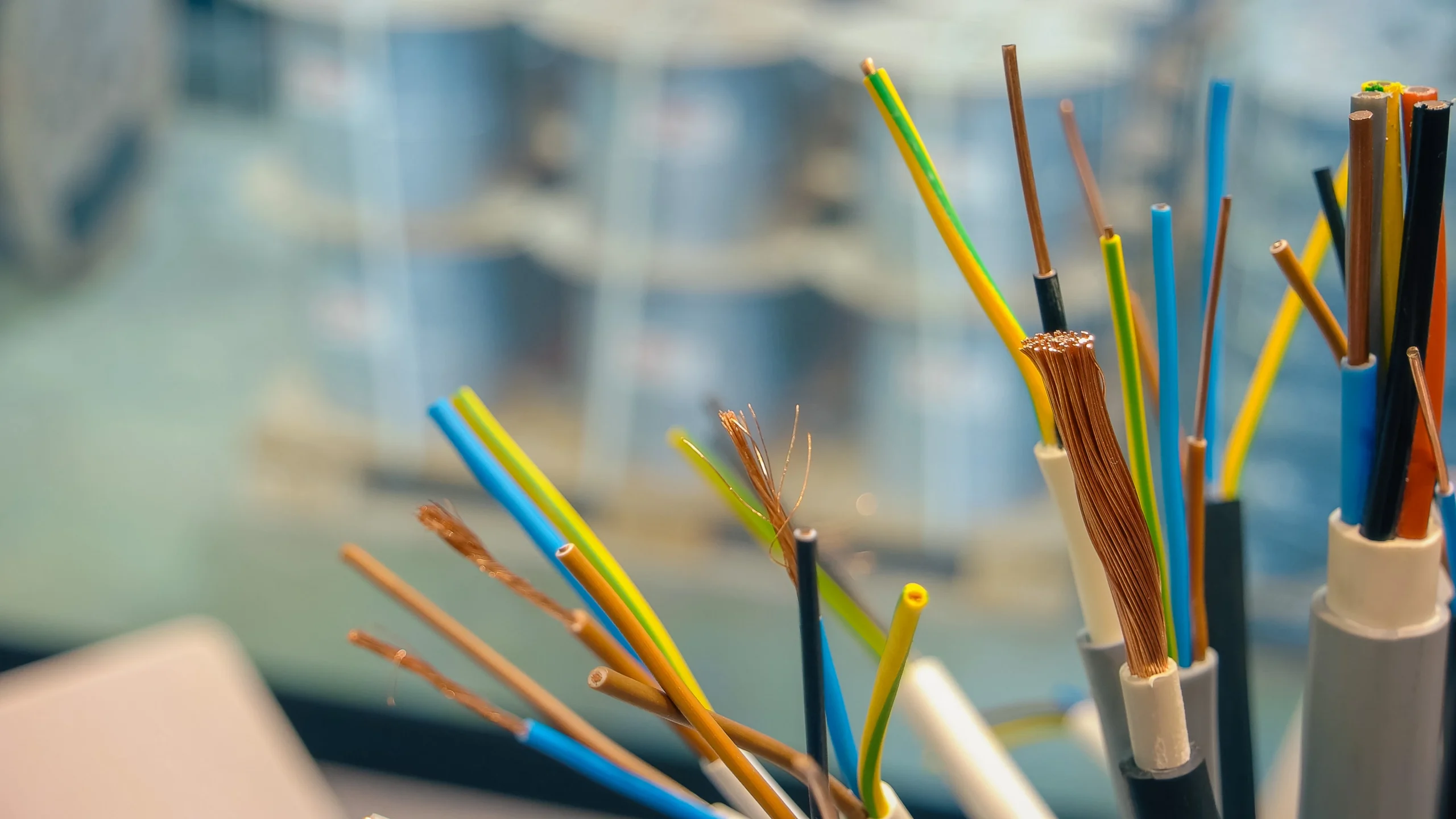
Every aircraft, from commercial jets to military carriers, depends on one silent force that keeps everything connected, i.e. the wiring. These intricate networks of cables form the nervous system of every aerospace system, transmitting power and information across thousands of components. A minor wiring flaw can have critical consequences when flying at 35,000 feet, surrounded by fluctuating temperatures, high altitudes, and constant vibration. In aviation, dependability is not just a feature, but a lifeline.
This is where FEP cables make their mark. They are among the most reliable wire solutions in the aerospace and aviation industries because of their unparalleled resistance to heat, chemicals, and mechanical stress. Even under extreme pressure, temperature, and mechanical load conditions, their structure is designed to stay flexible and stable. Unlike other insulation materials that weaken over time, FEP cables maintain integrity, ensuring that electrical and signal systems operate flawlessly.
Today’s aerospace projects demand performance and precision — a level of consistency that can withstand extreme flight conditions for years without degradation. Innovative cable solutions made with FEP insulation allow manufacturers to guarantee systems that are safer, more effective, and last longer. Where it counts most, this technology exemplifies creativity and a dedication to dependability.
To understand why these cables are so common in aerospace environments, we must take into account the extreme conditions they are designed to endure.
Why Do Ordinary Cables Struggle in Aerospace?
The aerospace environment pushes materials to their limits. Every flight subjects wiring systems to intense mechanical vibration, drastic temperature fluctuations, and constant exposure to fuels, lubricants, and hydraulic fluids. While adequate for everyday industrial use, standard insulations like PVC and PE often fail to endure these extremes. They soften, crack, or lose dielectric strength, leading to system failures that can endanger missions or require costly maintenance.
Aerospace cables face temperature ranges from -55°C to +200°C, an endurance level far beyond what typical commercial systems demand. Even at 200°C, insulation materials like FEP maintain almost 95% of their dielectric strength. This demonstrates exceptional thermal stability under stress. Insulation made of PTFE and FEP provides reliable protection against heat-related degradation, with breakdown points exceeding 250°C.
Aerospace systems don’t just face extreme temperatures — they also deal with strong electromagnetic interference that can disrupt signals. To prevent this, they follow strict rules like the MIL-STD-461 standard, which keeps communication and navigation systems safe from interference.
FEP cables are designed with special shielding made from braided copper or aluminum foil. This shielding blocks unwanted signals, keeping data clear and consistent even at high altitudes and in radiation-heavy environments.
Because of their heat resistance, strong EMI protection, and long-lasting strength, FEP cables have become the top choice for aerospace use. When used in advanced wire solutions, they help reduce equipment downtime, extend the life of systems, and deliver dependable electrical performance flight after flight.
Now that we have understood the challenges of flight environments, it is time to examine what makes FEP insulation itself so uniquely capable of handling them.
The Science Behind FEP Cable Superiority
The chemistry of FEP cables is what gives them their strength. Fluorinated ethylene propylene, or FEP, is a fluoropolymer that has remarkable electrical and thermal stability. It combines exceptional resistance to weathering and chemicals with low friction and high flexibility. FEP maintains its qualities even after extended exposure to 200°C or higher, in contrast to conventional insulations, which may distort or deteriorate at high temperatures.
This material is perfect for delicate settings like control panels and airplane cabins because of its smooth, non-stick surface, which keeps dust and other impurities from sticking to the cable. It satisfies the strict fire safety regulations of the aerospace industry thanks to its flame-retardant nature and low smoke emission. Compared to PTFE and PVC, FEP offers easier processing, lighter weight, and equal dielectric strength, making it one of the most advanced cable solutions today.
According to FAA and NASA-approved standards, FEP insulation must endure continuous operating temperatures of 200°C to 260°C. International certifications like UL 758, ISO 9001, RoHS, and MIL-DTL-81381 attest to the cables’ resistance to EMI, vibration, and chemical exposure. In order to replicate actual flight conditions and guarantee their dependability in mission-critical systems, MIL-SPEC testing exposes them to demanding heat, cold, and mechanical strain cycles.
For engineers, the value of wire solutions built with FEP lies in their predictable performance — a consistency that reduces system errors, maintenance costs, and risk during flight. The science is precise: FEP isn’t just a material upgrade; it’s a performance guarantee for aerospace applications.
But science only tells part of the story. The true measure of reliability appears when these cables are put to work in aircraft systems where performance cannot fail.
Performance That Keeps Aircraft Systems Safe
Thousands of meters of wiring inside every aircraft connect critical components that must function in perfect harmony. All circuits, including flight control systems, radar, cabin communication, and navigation, rely on insulation that can withstand stress, vibration, and harsh environmental conditions. Fep cables are unique in that they can withstand this strain without degrading.
Because of their low outgassing characteristic, sensitive systems are kept clean and air quality is maintained at a high level. These cables maintain their flexibility when subjected to mechanical movement, which facilitates installation and maintenance and guards against insulation tears or cracks. Comparative tests show that FEP insulation does not degrade after more than 10,000 flex cycles. In comparison, standard PVC or PE insulation typically fails before 5,000 cycles. Its chemical resistance to oils, fuels, and solvents adds another layer of protection that ensures long-term reliability in aerospace applications.
In addition, the non-stick surface of FEP prevents moisture buildup and corrosion, maintaining consistent electrical resistance even in humid environments. These combined characteristics translate to fewer failures, lower maintenance costs, and longer cable lifespans — benefits that matter deeply to engineers designing high-value systems.
FEP insulation provides endurance and peace of mind when paired with advanced wire solutions. Its ability to maintain electrical performance and structural integrity over thousands of hours of flight time sets it apart as the ultimate aerospace-grade material.
Reliability also depends on more than the product itself. The suppliers behind these cables must match their performance with global standards, precision delivery, and customer trust.
Why Do Aerospace OEMs Prefer Certified Cable Solutions?
For aerospace OEMs, selecting the right cable partner is more than technical specifications. It is about knowing that each batch will meet international standards, perform consistently, and arrive on time. Manufacturers who supply FEP cables to this sector must maintain complete traceability, quality certifications, and testing protocols that mirror global aerospace benchmarks.
India’s export sector continues to strengthen in this direction. Aviation-related exports have risen by about 15% year-on-year, driven by global demand for components and systems. The development of new cable solutions for advanced mobility has been aided by the nearly 25% growth in the electric vehicle market. Exports of industrial manufacturing have grown by about 18%, demonstrating India’s growing influence in engineering fields. The majority of suppliers now ship within 20 working days, which is a benchmark that boosts global competitiveness. Dispatch times have also improved.
Efficiency is only one aspect of this progress. It demonstrates a move toward sustainable, quality-driven manufacturing where wire solutions are meticulously designed, put through a rigorous testing process, and delivered on time. As it continues to be a global manufacturing hub, these advancements bolster India’s reputation for reliability in high-value sectors like aerospace and defense.
Innovation that combines performance and environmental responsibility will be key to the next chapter in aerospace cable manufacturing as standards rise and technology advances.
A Future Built on Reliability and Responsibility
Solutions that work well under pressure and safeguard the environment are essential to the aerospace industry’s future. Fep cables are essential to this development because of their extended lifespan and wear resistance, which cut down on waste. In addition, their resilience to harsh environments reduces the need for frequent replacements. For manufacturers trying to strike a balance between performance and environmental responsibility, this makes them sustainable.
These days, a lot of top cable solution manufacturers incorporate recycling, waste reduction, and renewable energy into their manufacturing procedures. From precise extrusion methods to copper purity, every little detail adds up to effective and environmentally responsible operations. Such initiatives highlight a broader dedication to sustainability, which is closely linked to safety and quality.
As global aerospace projects grow in complexity, the demand for dependable wire solutions will only increase. Engineers, designers, and procurement teams continue to choose FEP cables not just for their technical superiority but for their proven reliability across time, temperature, and tension.
If your next project involves designing systems that must operate flawlessly in extreme conditions. In that case, it is worth considering FEP cables for their unmatched endurance and reliability. Reach out to your preferred wire solutions provider to explore how customised cable solutions can align with your specifications and keep your systems mission-ready for years.