Buying Single-Core Wire in 2026? How to Choose the Right Building Wire for Safe Home and Commercial Wiring
Electrical safety problems rarely begin with sparks or smoke. In most cases, they start quietly, hidden behind walls, inside conduits, and above false ceilings. A wrong choice of building wire can remain unnoticed for years until higher electrical loads, heat buildup, or insulation ageing expose the risk.
In 2026, homes and commercial buildings are drawing more power than ever before. From air conditioners and elevators to EV chargers and automation systems, wiring is under constant stress. Choosing the right single-core wire today is no longer a basic purchase decision. It is a long term safety and performance commitment.
This guide walks you through how to choose the right house wiring wire with clarity, not confusion, so your electrical system remains safe, efficient, and reliable for decades.
Why Wiring Issues Still Appear in Modern Buildings
Many people assume that electrical problems are caused by poor installation alone. While workmanship matters, a large number of failures trace back to the wrong house wiring being selected at the planning stage.
Real world issues often appear as overheating switchboards, frequent breaker trips, voltage fluctuations, or insulation cracking well before the building reaches midlife. These are not random events. They are early signs of conductor stress, insulation fatigue or mismatched current ratings.
Fire safety data reinforces this risk. According to the National Fire Protection Association and global fire safety reports, electrical distribution and lighting equipment consistently rank among the top four causes of residential fires worldwide. The exact ranking varies by region, but the risk remains universal. Poor wire selection is often a silent contributor.
As buildings grow more complex, wiring can no longer be treated as a commodity item. This realisation naturally leads to a more important question. Why does this matter more now than before?
Why Choosing the Right Wire Matters More in 2026
Electrical demand patterns have changed significantly. Homes now support multiple air conditioning units, inverter systems, high wattage kitchen appliances and EV charging points. Commercial spaces operate with continuous electrical loads that leave little margin for error.
This shift means single-core wire performance is tested daily, not occasionally. Heat buildup, load cycling and long operating hours accelerate wear when the wire is underspecified or inconsistently manufactured.
Material choice also plays a role. Copper remains the preferred conductor for internal wiring due to its stability and conductivity. Verified material data shows copper offers roughly 39 to 40% higher electrical conductivity than aluminium by volume. This allows a copper building wire to carry the same current using a smaller cross-section, while generating less heat.
At the same time, regulatory scrutiny is increasing. Electrical inspectors, insurers, and project consultants are paying closer attention to conductor quality, insulation behaviour, and documented testing. Buyers are no longer asking only if a wire meets minimum standards. They are asking whether it will perform safely for twenty or thirty years.
That brings us to the heart of the matter. What actually defines a reliable building wire?
What Actually Makes a Reliable Building Wire
A dependable building wire is not defined by a single feature. It is the result of multiple factors working together consistently over time.
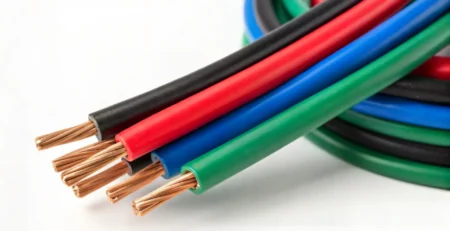
Copper quality is the foundation. High purity electrolytic copper ensures predictable conductivity, reduced resistance, and stable current flow. Inconsistent copper content leads to localized heating, even when the wire appears compliant on paper. For long term safety, conductor consistency matters as much as size.
Conductor sizing is equally critical. Many failures occur when wires are selected using generic charts without accounting for real load conditions. Continuous loads, ambient temperatures and future expansion all influence current demand. An undersized single-core wire may function initially, but it operates closer to its thermal limit, accelerating insulation ageing.
Insulation quality plays a decisive role in lifespan. Heat buildup is a primary cause of insulation degradation. Engineering studies published in IEEE electrical insulation research confirm that sustained high temperatures cause thermal degradation in polymers such as PVC and XLPE. As insulation weakens, flexibility drops, cracks develop, and the risk of exposure increases.
Ageing insulation introduces another hidden risk. While the copper conductor itself does not significantly increase in resistance, insulation resistance drops over time. This allows leakage currents and arcing, which are major contributors to electrical fire incidents. This is why insulation testing and material selection deserve equal attention.
Manufacturing control completes the picture. Reliable manufacturers maintain strict process control, routine electrical testing and traceable documentation. Consistency across batches ensures that every coil of house wiring wire performs as expected, not just the samples.
Understanding these fundamentals makes selection easier. The next step is applying them correctly to real-world use cases.
How to Match the Right Wire to Real World Applications
Residential and commercial wiring may look similar, but their demands differ.
In residential settings, wiring must handle fluctuating loads and peak demand periods. Kitchens, air conditioners, and inverters create sudden current spikes. Selecting a copper building wire with sufficient current margin reduces stress during these peaks and improves long term reliability.
Commercial buildings face continuous load challenges. Lighting systems, elevators, HVAC equipment and data infrastructure run for extended hours. In such environments, heat dissipation and insulation durability become critical. Choosing a single-core wire designed for sustained operation helps prevent premature failures.
Future readiness is another consideration. Electrical load rarely decreases over time. Renovations, equipment upgrades and automation systems increase demand. A wire selected with future expansion in mind avoids costly rewiring later.
This is where experience matters. Manufacturers who understand application-specific behaviour can recommend wire solutions that balance safety, efficiency, and cost without compromising compliance.
Yet even with good intent, certain mistakes continue to repeat across projects.
Mistakes That Continue to Compromise Electrical Safety
One common mistake is choosing wire based solely on price. Lower upfront savings often lead to higher lifetime costs due to failures, replacements, and downtime.
Another issue is mixing different wire grades within the same circuit. Variations in conductor quality and insulation behaviour create uneven load distribution and unpredictable performance.
Ignoring ambient conditions also creates risk. Wiring installed in high-temperature zones or confined conduits needs appropriate insulation characteristics. Using standard building wire in such environments accelerates degradation.
Finally, skipping verification is costly. Absence of testing records, unclear certification or inconsistent batch quality should raise immediate concerns. Electrical safety relies on predictability, not assumptions.
Avoiding these mistakes sets the foundation for long term reliability. Before closing, it helps to step back and review what truly matters when making the final choice.
A Practical Closing Checklist Before You Decide
Choosing the right single-core wire is about protecting people, property, and performance. A dependable house wiring wire should offer consistent copper quality, correct sizing for actual loads, durable insulation and verified manufacturing controls.
As buildings become more power-intensive, wiring decisions deserve thoughtful attention. Are you selecting for today’s needs only, or for the next two decades of use?
If you are planning a new project or upgrading existing wiring, a conversation with an experienced manufacturer can clarify application requirements and prevent costly oversights.
Reach out to our team to discuss the right building wire solution for your specific application and load conditions.
Frequently Asked Questions
What is a single-core wire used for in buildings?
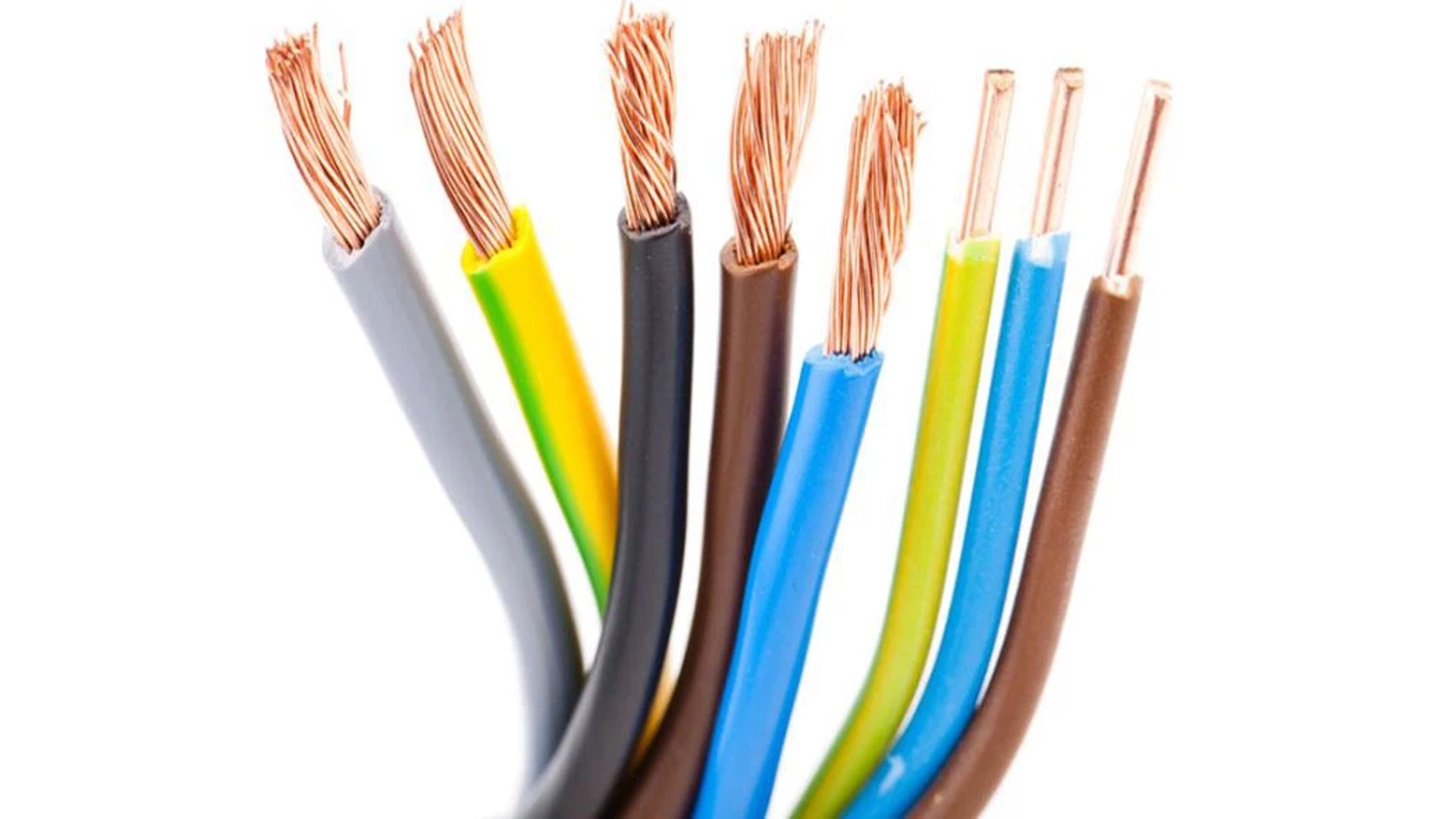
A single core wire is commonly used for fixed internal wiring, where individual conductors are routed through conduits for safety and flexibility.
Why is copper preferred for house wiring?
Copper offers higher conductivity, better thermal stability and longer service life compared to aluminium for internal wiring applications.
How long should a building wire last?
With correct selection and installation, a quality copper building wire can safely perform for twenty to thirty years or more.
Does insulation quality really affect safety?
Yes. Insulation failure leads to leakage currents and arcing, which significantly increase electrical fire risk over time.
Should wiring be upgraded during renovations?
If electrical loads are increasing or existing wiring shows signs of ageing, upgrading the house wiring is a prudent safety decision.