Which Housing Wires Are Best for Residential Projects in Mumbai?
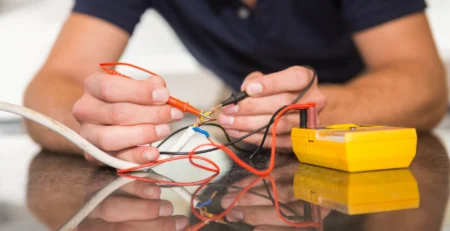
Rakesh runs a small contracting outfit in Andheri. Last year, he took on a redevelopment project, a building where three floors were coming down and going back up. Everything was on schedule until the electrical fitting stage, when the site supervisor called him with a problem. The wires from an earlier consignment had started showing brittle insulation within weeks of installation, and two flats needed rewiring before the plaster work could even begin. Rakesh lost nearly ten days and a fair bit of goodwill with the flat owners.
That single decision picking the wrong wire supplier cost not just the money but the most important thing that is trust and it is a story that plays out quietly across Mumbai every construction season because most people only think about wiring quality after something goes wrong. Why not focus on it firsthand so you don’t have to look at it even after several years
What Are Housing Wires and Where Are They Used?
Housing wires are the wires that carry electricity from the main distribution board to every switch, socket, and fixture inside a home. They sit inside walls and conduits, mostly out of sight, which is exactly why buyers tend to underestimate their importance until a fault shows up.
In a city like Mumbai, where you have decades-old buildings standing next to brand new towers, the range of wiring conditions is wide. Some homes need a full rewire during redevelopment, like Rakesh’s project. Others just need an upgrade to handle more air conditioners and appliances than the original wiring was ever designed for. Either way, residential electrical wires form the backbone of everything that runs on power in that home.
What Types of Housing Wires Are Available in Mumbai?
Once Rakesh started asking around after the incident, he realised how many wire types were actually on the market, and how little most electricians explained the differences upfront.
Single core versus multi strand. Single core wires work fine for simple domestic circuits. While multi strand, flexible wires bend more easily around tight conduits, which matters a lot in older buildings with awkward wiring routes. Being the perfect candidate for conditions
FR and FRLS insulation. FR stands for flame retardant. FRLS goes a step further, flame retardant with low smoke emission, which matters in enclosed residential spaces where smoke during a fire can be more dangerous than the flame itself. This distinction comes straight from IS 694, the Bureau of Indian Standards specification that governs PVC insulated cables used for house wiring across India.
Copper versus aluminium conductors. Copper remains the standard choice for home wiring because of its conductivity and durability. IS 694 does allow aluminium conductors as well, but copper is what most electrical wires Mumbai buyers end up choosing for internal wiring and for good reason. It handles load changes better over the years, something that matters as families add more appliances over time.
How to Choose the Right Housing Wire for a Home?
This is where Rakesh’s electrician actually sat down with him room by room, and it changed how Rakesh approaches every project since.
The first thing to look at is load. A kitchen with a mixer, microwave, and refrigerator draws differently than a bedroom with a fan and a couple of lights. Matching wire gauge to that load is not something you can skip. Undersized wire heats up under continuous load, and that heat is exactly what shortens a wire’s life or, in worse cases, starts a fire.
The second thing is circuit separation. Power sockets, lighting points, and air conditioner points ideally run on separate circuits with appropriately sized wire for each. It sounds like a small detail but it is often the difference between a wiring job that lasts fifteen years and one that needs attention within five.
Ask yourself this before finalising any order. Does this wire selection match how the home will actually be used, not just how it looks on paper? That single question saves a lot of rework later.
What Should You Consider When Buying Housing Wires?
By the time Rakesh placed his next order, he had a short checklist, and it is one worth sharing with anyone buying house wiring cable Mumbai projects rely on.
- Certification matters first. Look for the ISI mark and compliance with IS 694. This is not optional under Indian law for cables in this voltage range, so any supplier who cannot confirm it should be an immediate red flag.
- Check the insulation and fire rating suited to the space, especially in enclosed residential layouts.
- Ask about the manufacturer’s track record, not just the price sheet. Electrical wire manufacturers Mumbai contractors keep coming back to are usually the ones who answer questions honestly rather than just pushing a sale.
- Confirm warranty terms and whether support continues after the sale not just during it.
- Weigh price against how long the wiring needs to last because the cheapest option upfront is rarely the cheapest option over a ten year horizon
How Do Quality Housing Wires Improve Electrical Safety?
Rakesh’s brittle insulation problem was not just an inconvenience. Poor quality wiring is one of the quieter causes of electrical faults in Indian homes, particularly in densely built cities where flats share walls and wiring runs close together.
Wires that meet IS 694 standards go through testing for insulation resistance and conductor performance before they ever reach a construction site. That testing is what stands between a home with dependable power and one that develops hidden risks behind its walls. At Balaji Cables & Wires, our building wires Mumbai projects use are manufactured with exactly this kind of scrutiny built into the process, because we know most buyers will never see the wire once it is behind the plaster. That does not mean it should be treated as an afterthought.
What Rakesh Learned, and What You Should Take From It
Rakesh finished his redevelopment project a few weeks later than planned, but every flat in that building now has wiring that meets IS 694 requirements, gauge matched to actual load and separated circuits for power and lighting. He tells other contractors now that the ten days he lost taught him more about home electrical wiring Mumbai projects need than any supplier brochure ever did.
If you are planning a residential project, big or small, it is worth having that conversation before the wiring goes in, not after something goes wrong. Reach out to us, tell us about your project, and we can walk through what wire specifications actually fit your requirements.
FAQs
What are housing wires used for?
Housing wires carry electricity from the distribution board to switches, sockets and appliances throughout a home forming the internal wiring system of a residential building.
Why does housing wire type matter for residential safety?
The wrong wire type or gauge can overheat under load or fail to meet fire safety requirements which raises the risk of electrical faults inside enclosed living spaces.
How do I choose the right wire for home wiring?
Match the wire gauge to the expected load in each area of the home, keep power, lighting, and air conditioning on separate circuits and confirm ISI certification under IS 694 before buying.
What makes a housing wire suitable for residential buildings?
A suitable housing wire meets IS 694 standards, uses copper or approved conductor material, and carries appropriate fire retardant insulation for enclosed residential use.
Where can I buy quality housing wires in Mumbai?
Balaji Cables & Wires supplies ISI certified housing wires for residential projects across Mumbai. Get in touch with our team for product details or a quote suited to your project.