What to Look for When Selecting an Automotive Wiring Company in India
A vehicle may look mechanically sound, yet a small wiring fault can affect its starting system, lighting, sensors, battery performance, or electronic controls. For automotive manufacturers, such failures can result in production delays, rework, warranty concerns and loss of customer confidence.
This is why selecting the right Automotive Wiring Company in India requires more than comparing prices. Buyers must examine technical capability, material quality, process control, testing, customisation and delivery reliability.
So, what should you check before trusting a company with a critical part of your vehicle’s electrical network?
When Wiring Problems Affect the Entire Vehicle
Automotive wiring connects the battery, lighting, switches, motors, sensors, control units, ignition system, charging system, and several other electrical components. A defect in one connection can disturb multiple functions.
For example, an incorrectly selected conductor may cause voltage loss. Poor crimping can create an unstable connection, while inadequate insulation may crack when exposed to heat, chemicals, vibration or abrasion.
These issues may not appear immediately. A vehicle could pass an initial inspection but develop intermittent faults after regular use. Such failures are difficult to identify because they may occur only under a particular load, temperature or vibration level.
Reliable Vehicle Wiring Solutions must therefore consider the complete operating environment. Wire size, insulation, terminal quality, connector compatibility, routing, protection, and assembly all influence the reliability of Automotive Electrical Systems.
Why Automotive Wiring Requires Greater Attention Today
India’s automotive sector operates at a significant scale. According to the Society of Indian Automobile Manufacturers, India produced 29,27,711 passenger vehicles, three wheelers, two wheelers, and quadricycles in May 2026 alone. The same month recorded domestic sales of 4,38,854 passenger vehicles 70,720 three wheelers and 19,02,209 two wheelers.
Each of these vehicles depends on wires, cables, terminals, connectors, and harness assemblies.
At the same time, vehicles are becoming more electrically dependent. Even conventional vehicles now include advanced lighting, digital displays, sensors, infotainment, safety controls, telematics, and electronic engine functions.
Electric and hybrid vehicles add battery management, charging connections, thermal controls, power electronics and higher voltage circuits. India recorded 2.05 million electric vehicle sales in FY 2024 to 2025, compared with 1.68 million in the previous financial year.
This shift increases the need for carefully engineered Automotive Wiring Solutions that can support changing loads, compact spaces, higher temperatures, and more complex vehicle layouts.
What a Capable Wiring Partner Should Offer
A reliable Automotive Wiring Manufacturer should provide more than basic wire cutting or harness assembly. The company should understand how each cable will function inside the vehicle.
Automotive wires must be selected according to conductor size, current carrying needs, voltage, flexibility, insulation type, operating temperature, and exposure conditions. Battery cables, sensor wires, lighting circuits, motor connections, and control wiring may all require different constructions.
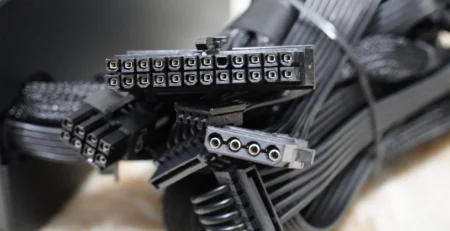
An Automotive Wire Harness brings multiple wires together in an organised assembly. Depending on the application, it may include connectors, terminals, sleeves, conduits, protective tapes, seals, labels, clips, and branch points.
A capable Automotive Cable Manufacturer should also support application specific development. Wiring designed for a two wheeler may not suit a tractor, commercial vehicle, genset, passenger car, or electric vehicle.
The supplier must first understand where the product will be installed, what it will connect to, and which conditions it must withstand.
Important Factors to Review Before Selecting a Manufacturer
Choosing the right supplier begins with a detailed evaluation rather than a quick quotation comparison.
Relevant Automotive Experience
Ask whether the manufacturer has supplied wiring to vehicle manufacturers, automotive component companies, battery manufacturers, equipment producers or replacement markets.
Experience in similar applications helps the supplier understand drawing requirements, connector selection, terminal compatibility, routing constraints, inspection expectations and production documentation.
A company that understands the wider market for Automotive Components India can usually communicate more effectively with OEMs, tier suppliers, and industrial buyers.
Material Quality and Traceability
The performance of a cable depends heavily on its raw materials. Buyers should verify the conductor material, insulation compound, terminal type, connector quality, protective components and approved specifications.
Traceability is equally important. The manufacturer should be able to identify material batches, production dates, inspection records and finished goods lots. This helps both parties investigate concerns and take corrective action when necessary.
Technical and Design Support
A dependable manufacturer should review more than wire length and colour.
The technical team may need to consider current load, voltage, conductor cross section, temperature, bend radius, vibration, chemical exposure, abrasion, sealing, and installation space.
For custom products, the supplier should be able to work from drawings, samples, connector details, circuit charts, or application requirements.
Repeatable Production Quality
A prototype may look correct, but can the supplier repeat the same quality across hundreds or thousands of units?
Buyers should check how the manufacturer controls cutting length, stripping dimensions, crimp height, pull strength, terminal insertion, taping, branch positions, labels and final dimensions.
Consistency becomes especially important when harnesses enter an assembly line, where even a small variation can delay fitting.
Certifications Must Be Supported by Strong Processes
Certifications provide a useful starting point when assessing a Wire Harness Manufacturer in India, but they should not be the only deciding factor.
ISO 9001 can indicate that a company follows a documented quality management system. For automotive supply chains, IATF 16949 is particularly relevant because it was developed to harmonise automotive quality assessment and certification practices worldwide.
The sixth edition of the IATF certification rules became effective on January 1, 2025. This makes it important for buyers to check whether certificates, audits, and related documents remain current.
A certificate alone does not guarantee that every product is suitable. Buyers should also examine how the company manages incoming materials, operator training, machine calibration, in process inspection, nonconforming products, corrective action, and customer complaints.
The strongest supplier is one that follows disciplined processes every day, not only during an audit.
Manufacturing Capabilities That Influence Product Quality
Manufacturing capability determines whether the supplier can convert a specification into a consistent product.
Important processes may include wire cutting, stripping, crimping, twisting, soldering where required, terminal insertion, connector assembly, taping, sleeving, labelling, and final harness inspection.
Equipment condition also matters. Calibrated tools, suitable crimping applicators, assembly fixtures, testing machines, and inspection gauges support repeatability.
For custom Automotive Cable Solutions, prototype development is another important capability. The manufacturer should review the design, prepare samples, check fitment, make necessary corrections and receive approval before moving into regular production.
Skilled operators and trained quality personnel remain essential, even when automated equipment is used. Machines improve speed and repeatability but people still need to verify setup, materials, dimensions, test results and workmanship.
Testing That Helps Prevent Electrical Failures
Testing should be built into production rather than treated as a final formality.
Depending on the product and customer requirement, testing may include
- Continuity testing
- Short circuit testing
- Conductor resistance testing
- Insulation resistance testing
- Crimp pull force testing
- Terminal retention checks
- High voltage testing
- Dimensional inspection
- Visual inspection
- Heat, abrasion, vibration or environmental testing
The ISO 19642 series covers automotive cables used in road vehicle applications, including terminology, design guidance and cable test methods.
ISO 8092 also defines test methods and general performance requirements for connections used with onboard vehicle wiring harnesses.
Not every product requires the same tests. The correct test plan depends on the cable type, connector, voltage, vehicle category, installation location, and customer specification.
What matters is that the supplier understands which risks must be checked before dispatch.
Custom Wiring for Different Vehicle Categories
Different vehicles place different demands on wiring.
Two wheelers and three wheelers often require compact harness routing, flexibility, dependable battery connections, vibration resistance and protection around the engine and steering areas.
Passenger vehicles include more circuits for lighting, sensors, infotainment, control modules, safety systems, and cabin features. Commercial vehicles may require longer harnesses, stronger protection and reliable connections for demanding operating schedules.
Tractors, off road vehicles, engines, and gensets may expose cables to dust, oil, moisture, high temperatures, and repeated vibration.
Electric and hybrid vehicles introduce another level of complexity. Their wiring may support charging systems, battery packs, auxiliary circuits, thermal management, control signals, and high voltage equipment.
Custom Vehicle Wiring Solutions should therefore be designed around the actual vehicle and environment. A standard product should not be forced into an application simply because it appears similar.
Why Supply Reliability Deserves Equal Attention
Product quality loses value when deliveries arrive late or when quantities remain inconsistent.
Before selecting a supplier, buyers should review production capacity, normal lead times, raw material planning, inventory support, packaging, batch identification, dispatch documentation and response to forecast changes.
The manufacturer should also explain how it handles urgent orders, volume increases, and supply interruptions.
This becomes especially important for OEMs and component manufacturers that operate fixed assembly schedules. A missing harness or cable can delay an entire production batch.
A reliable supplier combines technical quality with dependable planning and communication.
Balancing Cost With Long Term Value
Price is important, but the lowest quotation may not offer the lowest overall cost.
A cheaper wire or harness can lead to rejection, rework, fitting problems, electrical faults, replacement costs downtime, and warranty concerns These indirect expenses can quickly exceed the original savings and your budget.
Buyers should compare quotations based on conductor specifications, insulation, terminals, connectors, testing, tooling, documentation, packaging, delivery, and technical support.
A professional Automotive Cable Manufacturer should clearly state what is included. Transparent specifications make it easier to compare suppliers fairly and protect product quality.
The right balance is not about paying the highest price. It is about receiving consistent performance at a sustainable and clearly explained cost.
Preparing for New Automotive Wiring Requirements
Automotive wiring will continue to change as vehicles include more electronic functions and electric platforms gain wider adoption.
Manufacturers may need to support higher voltage systems, compact harness layouts, lighter materials, improved heat resistance, better data transmission, advanced traceability and automated production controls.
Investment across India’s automobile sector also reflects the scale of this development. The sector received ₹2,64,456 crore, approximately US$39.7 billion in equity foreign direct investment between April 2000 and December 2025. The automobile and auto component Production Linked Incentive scheme also received ₹2,818.9 crore in FY 2025 to 2026.
Buyers should therefore look for a wiring partner that can respond to changing drawings, materials, testing expectations, and vehicle platforms.
A supplier’s ability to learn and adapt may become as important as its present capacity.
Questions to Ask a Potential Wiring Supplier
Before finalising an Automotive Wiring Company in India, ask practical questions such as:
- Have you developed wiring for our vehicle or component category?
- Which automotive cable and connector standards can you support?
- Can you manufacture from drawings, circuit details or physical samples?
- How do you control crimping and terminal assembly?
- Which tests are carried out during and after production?
- Can you provide inspection records and batch traceability?
- What are your regular production capacity and lead times?
- Can you support prototype as well as bulk requirements?
- How do you investigate defects and implement corrective action?
- Can you support domestic supply and export orders?
Clear answers reveal how well the supplier understands both the product and the business responsibility behind it.
Selecting a Wiring Partner With Confidence
The right Automotive Wiring Company in India should bring together suitable materials, technical knowledge, controlled manufacturing, product testing, documentation, custom development and dependable supply.
At Balaji Cables & Wires, we understand that automotive buyers are not simply purchasing wires. They are selecting components that influence assembly efficiency and electrical reliability.
Speak with our team to discuss your application, drawings, samples, quantity requirements, or customised Automotive Wiring Solutions.
Frequently Asked Questions
What Does an Automotive Wiring Company Do?
An automotive wiring company manufactures wires, cables, battery cables and wire harness assemblies that connect electrical and electronic parts inside a vehicle.
What Should Buyers Check in an Automotive Wiring Manufacturer?
Buyers should check industry experience, materials, production capabilities, testing processes, certifications, traceability, delivery capacity, and technical support.
Why Are Certifications Important in Automotive Wiring?
Certifications help show that a manufacturer follows documented quality processes. Buyers should also verify how those processes are applied during daily production and inspection.
How Does Wiring Quality Affect Vehicle Performance?
Wiring quality affects the flow of power and signals between vehicle systems. Poor materials or connections may cause voltage loss, overheating, intermittent operation or electrical failure.
What Industries Use Automotive Wire Harnesses?
Automotive wire harnesses are used in two wheelers, three wheelers, passenger vehicles, commercial vehicles, tractors, electric vehicles, off road equipment, engines, gensets, and battery systems.
How Are Custom Automotive Wire Harnesses Developed?
The process usually involves reviewing the application, studying drawings or samples, selecting materials, developing a prototype, testing it, checking fitment and beginning controlled production after approval.