Speaker Cable Buying Guide: How Premium Speaker Wire Improves Audio Performance Indoors and Outdoors
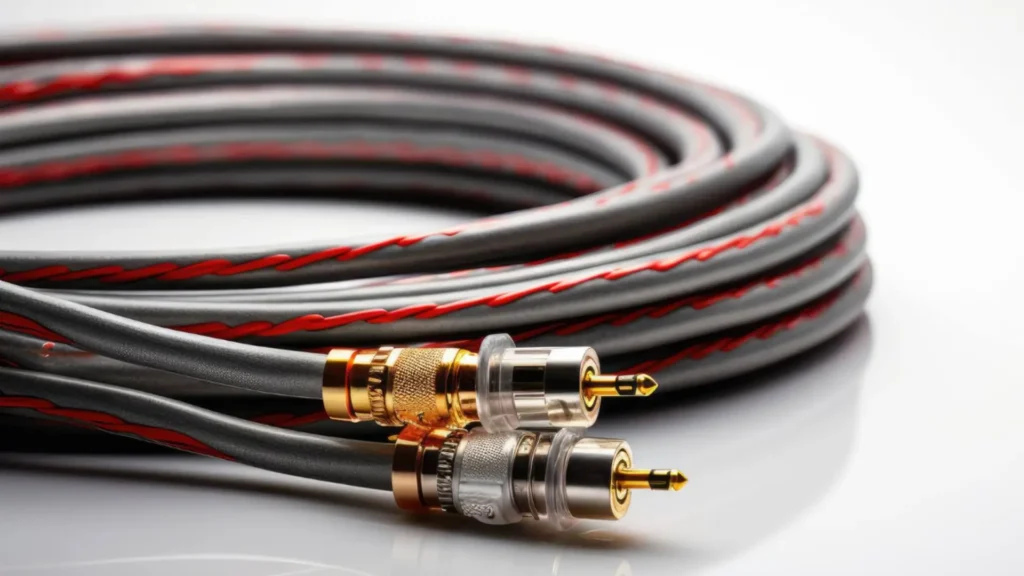
Have you ever upgraded your speakers or invested in a better amplifier, and still felt that something was missing from the sound? Many people assume the problem lies in the equipment itself. In reality, the cable connecting the entire system often plays a much bigger role than you could have expected.
Whether you are setting up a home theatre a commercial sound system, or an outdoor entertainment area, the quality of your speaker cable directly affects how efficiently audio signals travel from source to the speaker. Choosing the right cable can help preserve sound quality, improve reliability, and ensure that your system performs the way it was designed to and delivers the best music quality.
This guide explains what makes a difference, what to look for when buying speaker cables, and why investing in quality wiring matters for both indoor and outdoor applications.
Understanding Common Speaker Cable Problems
When audio performance falls short, cables are rarely the first thing people ever investigate. Yet they can have a significant impact on how a sound system performs.
One common issue is signal loss. As cable length increases, electrical resistance also increases. This can affect the efficiency of signal transmission, especially when the cable gauge is not suitable for the installation. The result may be weaker sound output, reduced detail, or inconsistent performance across speakers.
Another challenge appears in installing an outdoor music system, factors such as exposure to moisture, temperature changes, and physical wear can gradually damage cables that were never designed for outdoor use. Over time, this can lead to sound degradation and costly replacements.
There is also the issue of long term reliability. Low quality wiring may initially seem like a cost saving choice, but frequent maintenance and replacement often increase ownership costs over time.
If your audio system is not delivering the clarity you expected, the cable connecting your equipment deserves closer attention.
Why Speaker Wire Quality Matters More Than Ever
Audio technology has evolved significantly over the past decade, modern speakers and amplifiers are capable of reproducing impressive levels of detail across a wide frequency range.
The human ear can typically detect sounds between 20 Hz and 20,000 Hz. High quality audio systems are designed to reproduce this range as accurately as possible, however, achieving that performance requires every component in the signal path to work efficiently, including the speaker cable.
At the same time, consumer demand for premium entertainment experiences continues to grow each day, according to Statista, smart home adoption has increased worldwide, driving greater demand for integrated audio and entertainment systems. Homeowners are investing in dedicated media rooms, multi room audio systems, and outdoor entertainment spaces.
This shift means cable quality has become more important than ever.
A poor connection can limit the performance of even the most advanced speakers, which were made to deliver quality. On the other hand, properly selected premium speaker wire helps maintain signal integrity and supports consistent audio delivery.
As audio systems become more sophisticated, choosing the right wiring is no longer an afterthought. It has become an essential part of system design.
How Premium Speaker Wire Improves Audio Performance
The phrase premium speaker wire often raises an important question.
What exactly makes it different from ordinary speaker wire?
The answer lies in the materials, construction quality, and overall design.
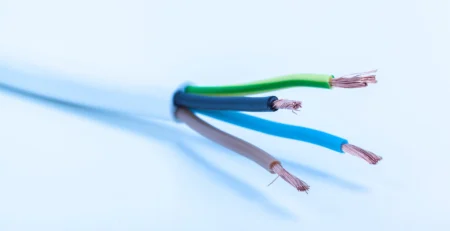
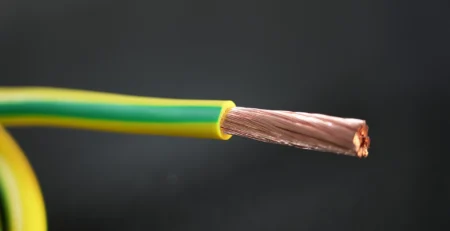
Premium speaker wires typically use high purity copper conductors as copper remains one of the most effective materials for electrical and signal conductivity. It is widely preferred across the electrical industry In fact, copper offers substantially higher conductivity than aluminium, making it an excellent choice for efficient signal transmission, be it audio signals.
Better conductivity means less resistance and reduced signal loss.
This becomes especially important in installations where cables run across larger distances. A high quality conductor helps ensure the audio signal reaching the speaker remains as close as possible to the original signal leaving the amplifier.
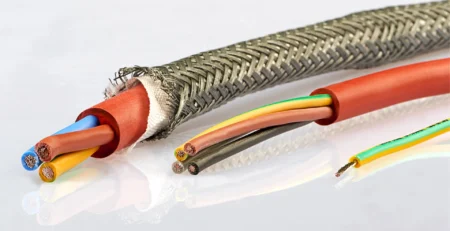
The insulation also matters, quality insulation protects the conductor from environmental influences such as heat, moisture and helps maintain consistent performance over time.
What does this mean for the listener?
It often translates into much clearer vocals, improved detail, stronger bass response, and a more balanced listening experience, the improvements may not always be dramatic or even noticeable, but they contribute to a cleaner and more reliable sound system overall. thus enhancing the user experience silently.
For example, Consider a home theatre installation, the speakers, amplifier, and source equipment may all be high quality. Yet if the wiring introduces unnecessary resistance or signal degradation, the system cannot perform at its full potential as it was supposed to perform and for the price you paid for. Upgrading to premium speaker wire helps remove that bottleneck.
Choosing the Right Speaker Cable for Indoor Applications
Not every indoor installation requires the same type of cable.
Several factors influence the right choice.
The first is distance, longer cable runs generally require thicker conductors to minimise resistance. Using a cable gauge that is too small for the distance can impact performance.
The second consideration is power, higher powered audio systems place greater demands on wiring. Selecting the appropriate cable helps ensure efficient signal transfer.
The installation environment also matters. A simple living room setup may have different requirements than a large conference room, retail space, or multi zone audio system.
When evaluating a speaker cable, focus on conductor quality, cable gauge, insulation, and overall durability.
For residential applications, the goal is usually to achieve consistent sound quality throughout the listening area. For commercial installations, reliability often becomes equally important.
A properly selected cable supports both objectives.
The key is matching the cable specifications to the specific needs of the system rather than relying solely on price or appearance.
Selecting Underground Speaker Wire for Outdoor Installations
Outdoor audio systems continue to grow in popularity.
From residential gardens and patios to hotels, resorts, and commercial venues, outdoor sound systems create engaging experiences. However, outdoor environments introduce challenges that indoor installations do not face.
Moisture, UV exposure, soil conditions, and temperature fluctuations can all affect cable performance over time and can lead to the replacement of expensive parts.
This is where underground speaker wire becomes essential.
Unlike standard speaker wire, underground speaker wire is specifically designed to withstand direct burial and harsh outdoor conditions, It features protective insulation and durable outer jackets that help prevent moisture intrusion and physical damage, which helps maintain the quality of wires for a long time.
The National Electrical Code recognises the importance of direct burial rated cables for installations exposed to underground conditions. These cables are engineered to handle environmental stress while maintaining reliable performance.
When selecting underground speaker wire, look for quality conductor materials, weather resistant insulation, and construction suitable for the installation environment.
Imagine an outdoor garden audio system installed using indoor rated cable. It may function initially, but exposure to moisture can eventually compromise the insulation and affect performance.
Using the correct cable from the beginning helps avoid those issues and supports long term reliability.
Key Factors to Consider Before Buying Speaker Cable
With numerous options available, how do you make the right choice?
Start with conductor material. High quality copper conductors remain one of the most reliable choices for audio applications because of their excellent conductivity.
Next, consider cable length. Longer distances typically require larger gauge cables to maintain efficient signal transmission.
Pay attention to insulation quality. Indoor and outdoor installations have different environmental demands, and the cable should be designed accordingly.
It is also important to evaluate manufacturing standards. Reliable manufacturers perform testing and quality control procedures to ensure consistency across production.
When selecting a speaker cable, think beyond the immediate installation. Consider the long term performance requirements and environmental conditions the cable will face throughout its service life.
Common Mistakes That Affect Sound Quality
Even a high quality audio system can suffer from poor cable choices.
Some of the most common mistakes include:
- Choosing cables based solely on price rather than application requirements.
- Using indoor rated cable for outdoor installations.
- Ignoring cable gauge recommendations for longer cable runs.
- Purchasing low quality products from unverified suppliers.
- Failing to protect cable connections from moisture and environmental exposure.
- Overlooking future expansion requirements when planning an installation.
Avoiding these mistakes helps protect your investment and improves long term system performance.
Best Practices for Long Term Audio Performance
A reliable audio system begins with thoughtful planning.
Choose the cable type based on the installation environment. Use indoor rated cables where appropriate and select underground speaker wire for outdoor and direct burial applications.
Match cable gauge to distance and power requirements.
Prioritise high quality copper conductors whenever possible.
Protect all connection points from moisture and corrosion.
Work with trusted manufacturers that emphasise testing, quality control, and consistent production standards.
Regular inspections can also help identify potential issues before they affect system performance.
These simple practices contribute to better reliability and a more enjoyable listening experience over time.
Conclusion
Great audio performance depends on more than speakers and amplifiers. The wiring that connects your system plays a critical role in preserving sound quality and ensuring long term reliability.
Choosing the right speaker cable helps in many ways, such as reducing signal loss, improving consistency, and supporting better overall system performance For demanding installations, premium speaker wire offers enhanced conductivity and durability, which uplifts the user experience, while underground speaker wire provides the protection required for outdoor environments, which is good for delivering quality.
At Balaji Wires and Cables, we understand the importance of dependable cable solutions that deliver reliable performance across a wide range of applications. If you are planning an indoor or outdoor audio installation, selecting the right cable today can help you enjoy better sound quality for years to come.
FAQs
What is a speaker cable?
A speaker cable is a cable used to transfer audio signals from an amplifier or receiver to a speaker.
Why is premium speaker wire important?
Premium speaker wire helps reduce resistance, maintain signal quality, and improve overall audio performance.
How does underground speaker wire differ from standard speaker wire?
Underground speaker wire includes protective insulation and construction features designed for direct burial and outdoor environments.
What factors should be considered when choosing speaker cable?
Cable length, conductor material, cable gauge, insulation quality, and installation environment should all be considered.
Why does cable quality affect sound performance?
Higher quality cables reduce signal loss and help preserve the accuracy of audio signals reaching the speakers.
How can outdoor speaker systems remain reliable for years?
Using properly rated underground speaker wire, protecting connections, and performing regular inspections can help maintain long term performance.