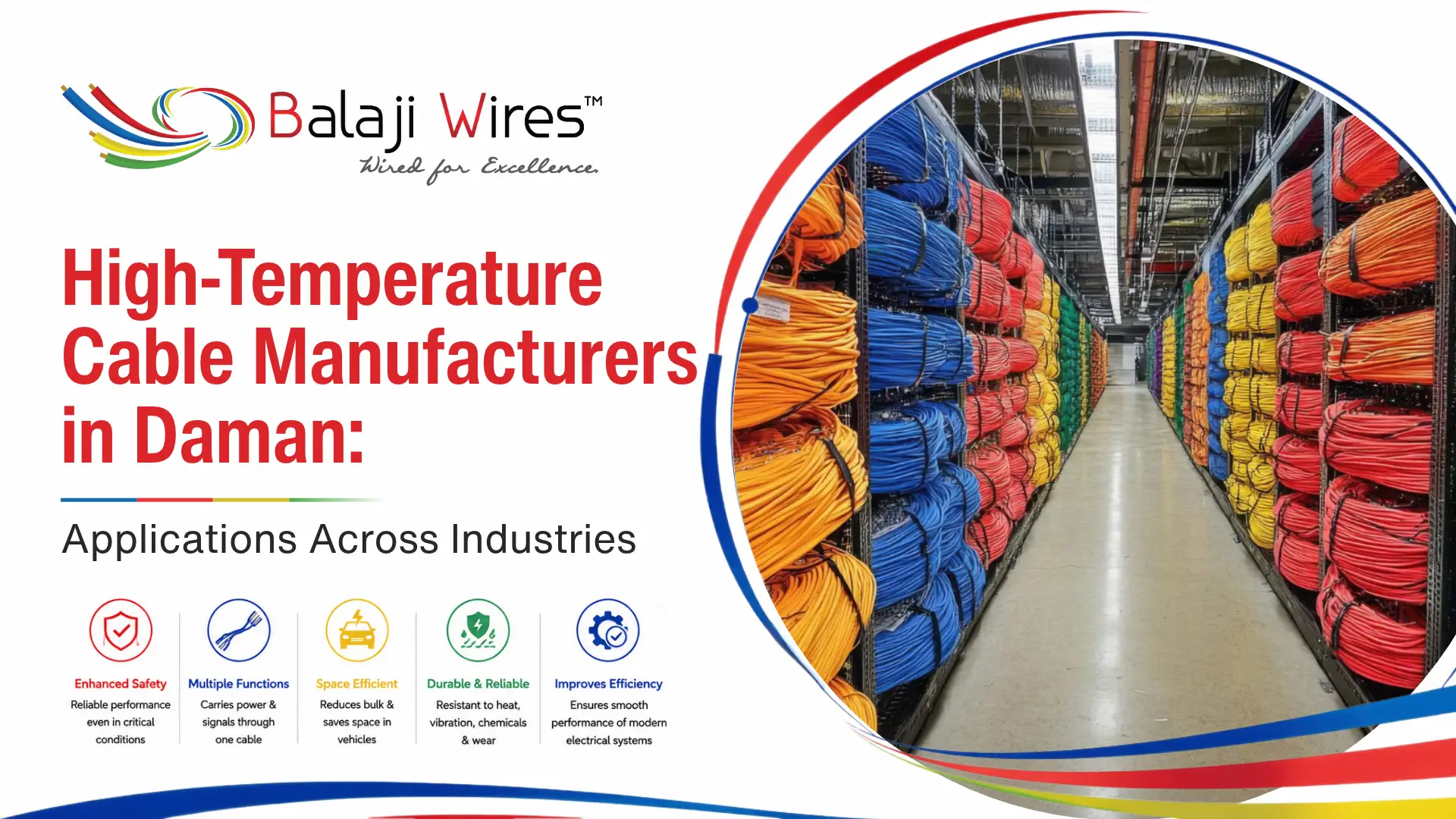
High-Temperature Cable Manufacturers in Daman: Applications Across Industries
Sunil Tandel had a five-day shutdown window and a list of jobs that would fill seven. He manages projects at a Dunetha-based company that builds and services powder coating lines, and one client’s curing oven was due for rewiring. The original cables near the heater banks had hardened and turned brittle after years at high temperatures. Sunil did not want to replace them like-for-like. He wanted to know which cable would last this time.
His question is common across industries that work with heat. This article follows Sunil’s planning to explain what high-temperature cables are, where they are used, which materials make them work and how to choose among high-temperature cable manufacturers.
What Are High-Temperature Cables?
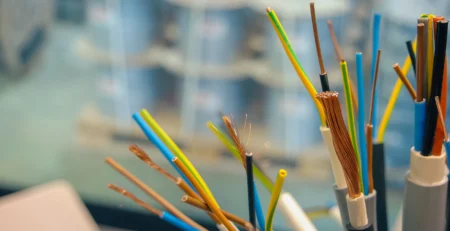
High-temperature cables are designed to keep working where ordinary cables soften, crack or lose insulation strength. Their insulation and sheath materials hold their electrical and mechanical properties at temperatures well above what general-purpose PVC can tolerate.
Heat damages a cable slowly. Insulation loses flexibility, then cracks when the cable is moved or vibrated. Once cracks appear, moisture and contamination can cause leakage or short circuits. In Sunil’s oven, the old PVC insulated cables had reached exactly this stage, even though they still passed a basic continuity check.
Which Industries Use High-Temperature Cables?
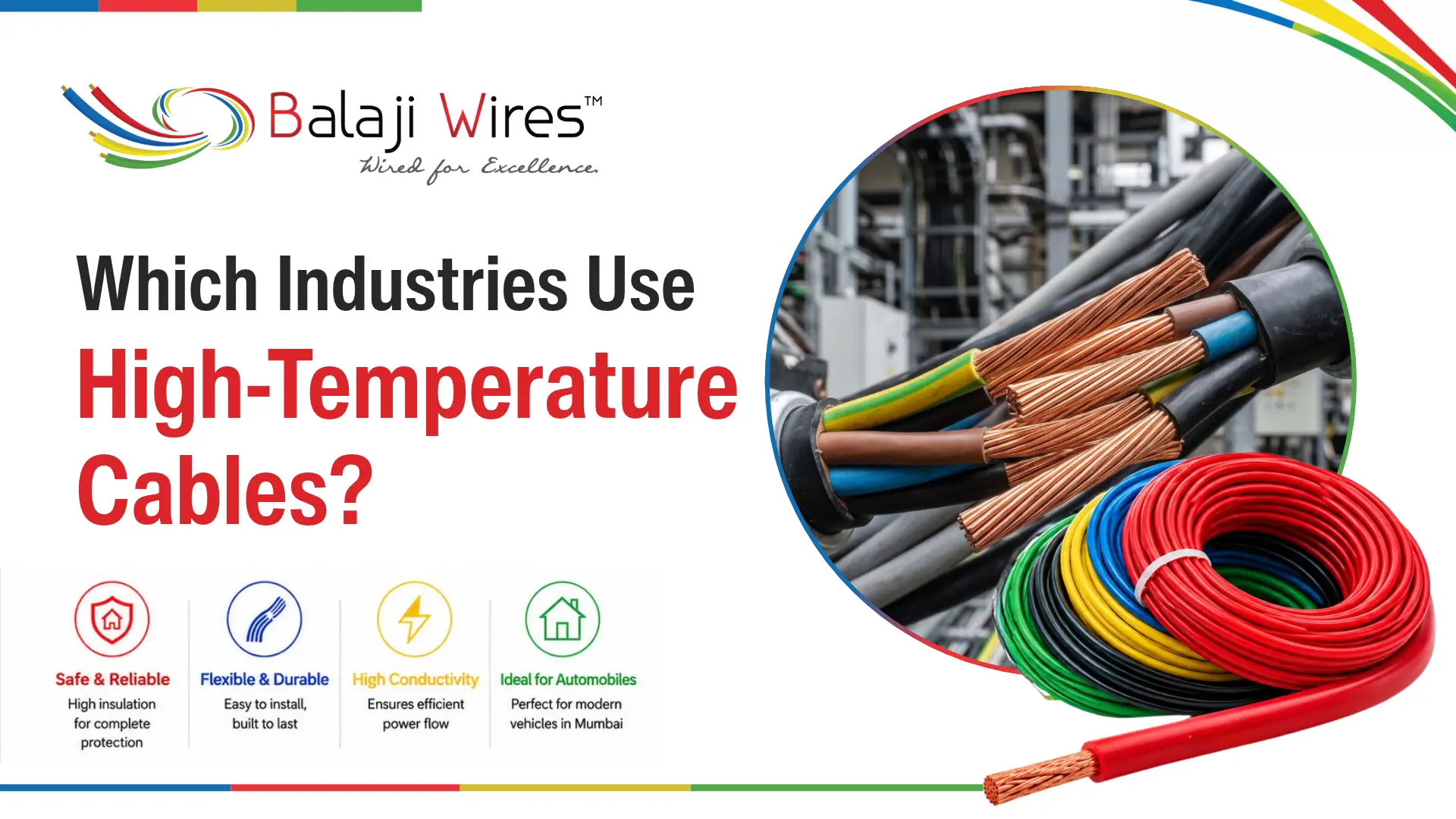
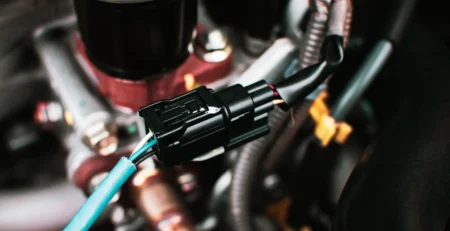
Curing ovens are one example. Furnaces, kilns, dryers and heat treatment equipment all need heat-resistant wiring. So do plastic processing machines, glass and ceramic plants, steel and forging units, commercial cooking equipment, lighting fixtures and engine compartments in vehicles and gensets.
Daman’s industrial estates host plastics, packaging, chemicals, pharmaceuticals and engineering units, and many run heaters, dryers or ovens somewhere in their process. Industrial high-temperature wires in these plants connect heaters, thermocouples, motors and control circuits that sit close to hot surfaces. A fault there often stops an entire line.
What Materials Are Used in Heat-Resistant Cable Manufacturing?
Material choice decides how much heat a cable can take. Common insulation families include the following.
- Heat-resistant PVC grades for moderate temperatures above standard PVC
- Cross-linked polyethene and cross-linked compounds for higher temperatures and better deformation resistance
- Silicone rubber, widely used for its flexibility at high temperatures
- Fluoropolymers such as PTFE, FEP and PFA for very high temperatures and chemical resistance
- Glass fibre braids and mica tapes as added layers for extreme heat
The conductor matters too. Bare and tinned copper suit many applications, while nickel-plated or silver-plated copper is used at higher temperatures where tin and bare copper would oxidise or degrade.
Sunil’s heater zone needed flexibility for terminations inside tight panels, so silicone insulated wire with a glass fibre braid became his first option. High-temperature wire manufacturers with experience in these materials can explain where each one fits and where it does not.
How to Choose High-Temperature Cable Manufacturers in Daman
Buyers looking for high-temperature cable manufacturers in Daman often widen the search to manufacturers serving the region from Palsana, Vapi and Mumbai. Sunil did the same. His priority was a supplier that could confirm the rated temperature in writing and deliver within his shutdown schedule.
He asked each shortlisted manufacturer for datasheets showing continuous temperature rating, insulation material, conductor type and voltage rating. He also asked what tests confirm the rating. Capable heat-resistant cable suppliers answered clearly and offered samples. One quoted a “heat resistant” cable with no temperature figure at all, and Sunil removed it from the list.
What Temperature Ratings and Insulation Properties Should Buyers Check?
The most important figure is the continuous operating temperature. This is the temperature the cable can withstand for its expected life, not a brief peak. Some datasheets also list a short-term overload rating, which should never be treated as the working limit. Reputable high-temperature cable manufacturers state the continuous rating clearly.
Standards help buyers compare products. ISO 6722 sets temperature classes for automotive cables, and IEC 60216 describes how thermal endurance of insulating materials is evaluated. Beyond the rating, check insulation thickness, flexibility, resistance to oil and chemicals and behaviour in fire if your site requires it.
Sunil also measured the real temperature at the cable route with a thermal camera during the last production run. The reading was higher than the oven’s design drawing suggested. That single check changed his choice of insulation.
How to Select the Right High-Temperature Cable for Industrial Use?
Start with the actual operating temperature, including heat from nearby equipment and the cable’s own current load. Add a safety margin. Then consider movement, chemical exposure, space and termination method.
From there, match the material. Silicone suits flexible runs at high temperature. Fluoropolymers suit higher temperatures and chemical exposure. Glass fibre or mica layers add protection in the hottest zones. Specialised heat-resistant cables combining these elements can be produced for unusual conditions, but they need a clear specification and lead time.
Finally, choose a supplier that provides lot test reports and consistent supply, since replacement cables should match the approved ones. Established high-temperature cable suppliers in India keep these records ready.
FAQs About High-Temperature Cables
What are high-temperature cables used for?
High-temperature cables connect equipment in hot zones such as ovens, furnaces, dryers, engines and heaters. They prevent the insulation breakdown that standard cables suffer, so they protect safety and uptime.
Which insulation materials are suitable for high-temperature cables?
Silicone rubber, cross-linked compounds, PTFE, FEP and PFA are common choices, with glass fibre or mica for extra protection. Each suits a different temperature range, so match the material to measured conditions.
How do I choose a high-temperature cable manufacturer in Daman?
Compare high-temperature cable manufacturers in Daman and nearby hubs on written temperature ratings, test reports and delivery reliability. These show real capability, so request samples before ordering.
What factors determine a cable’s maximum operating temperature?
Insulation material, conductor plating, ambient heat, current load and installation conditions all play a part. These combine to set the working limit, so check the continuous rating rather than peak figures.
Planning for Heat Before It Becomes a Fault
Sunil finished the rewiring inside the shutdown window, using cables rated above the temperature he actually measured. The decision came from data, not habit, and that is the best way to work with high-temperature cable manufacturers.
At Balaji Wires and Cables, we manufacture high-temperature wires and cables at our Palsana facility and support Daman buyers from our Navi Mumbai base. If you are comparing high-temperature cable manufacturers in Daman for a wiring upgrade, share your operating temperatures and application details with our team, and we will help you identify a suitable construction.
https://balajiwires.in | info@balajiwires.in | +91 8976778884