What Makes FLRY-B Wire Suitable for Automotive Electrical Applications?
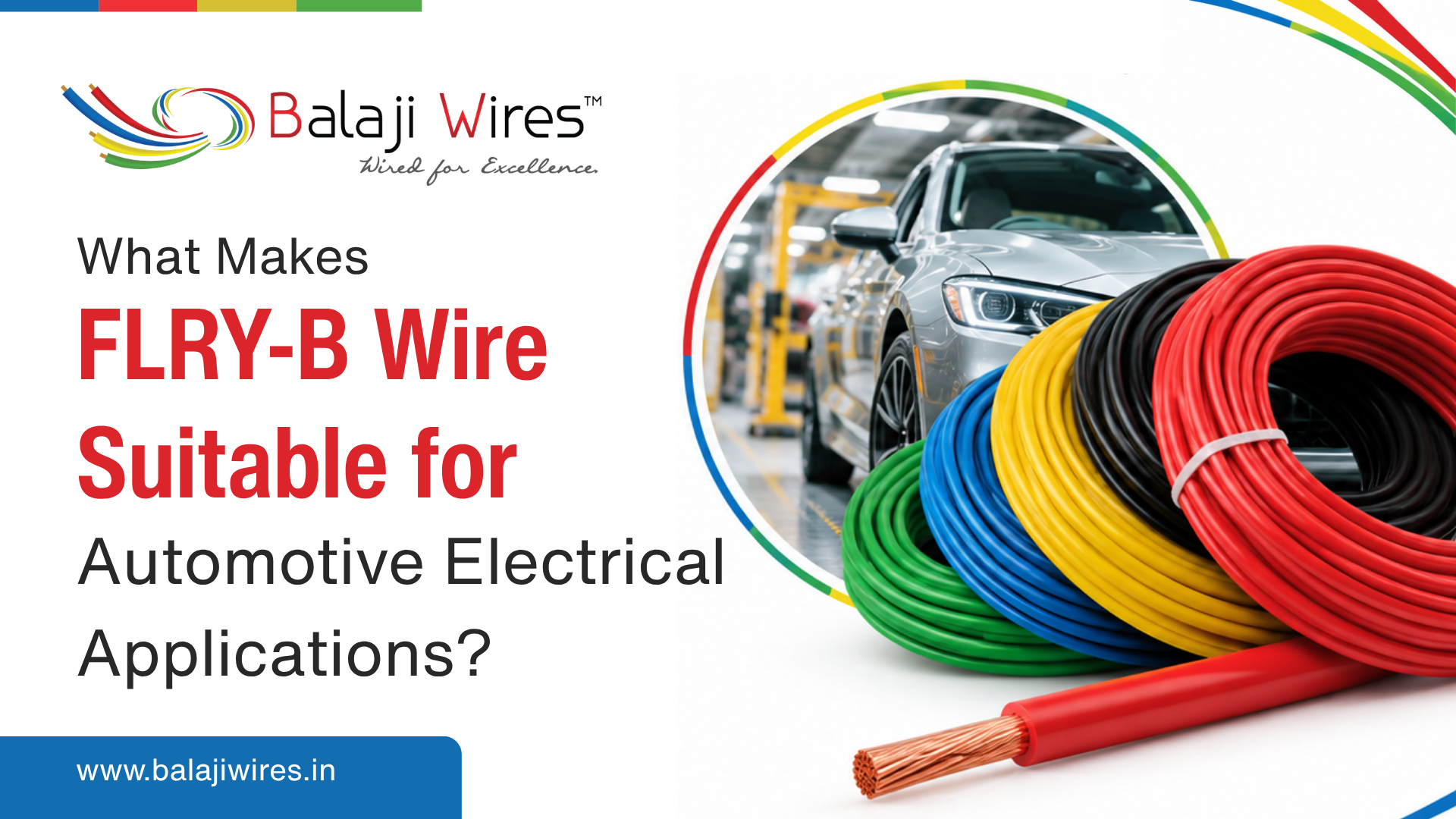
Anand Bhosale heads purchase and quality at a tractor and farm equipment maker in Kolhapur. Last month, a European customer sent drawings for a new cab variant. Beside almost every circuit sat the same short line, “FLRY-B, ISO 6722.” His store holds reels marked only “auto wire, 1 sq. mm,” and the supplier audit is six weeks away.
Is the wire on his shelf the same as FLRY-B automotive wire, or do those five letters ask for something more?
What Is FLRY-B Wire?
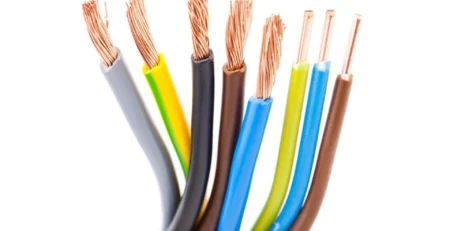
Anand’s first discovery surprised him. FLRY-B is not a brand name. It is a code that describes how the wire is built and each letter comes from the original German designation. F stands for vehicle and L for cable. R means reduced wall thickness, and Y means PVC insulation. The final B describes the conductor, which uses fine copper strands bunched together instead of laid in neat layers.
So when a drawing calls for FLRY-B wire, it already specifies a vehicle grade cable with thin PVC insulation and a flexible bunched conductor.
In its standard form, it is a FLRY-B single core cable, with one insulated conductor per run. Harness makers bundle many of these runs together, and the same build also appears as individual cores inside multicore automotive cables. Once Anand read the name this way, a bigger question followed. Why would his customer insist on this exact construction?
What Makes FLRY-B Wire Suitable for Automotive Applications?
The answer lies in how vehicles have changed. A modern cab carries far more circuits than older models. Lights, sensors, displays, and control switches now share the same tight spaces. SIAM data shows that Indian manufacturers produced more than 3.1 crore vehicles between April 2024 and March 2025, and every one of them needed wiring that fits, flexes and lasts. That figure doesn’t even count tractors like Anand’s.
Ordinary automotive electrical wire can carry current well enough. The trouble starts when space limits, heat, oil, and vibration all act on a harness at once. FLRY-B handles each of these through its design which explains why so many OEM drawings specify it by name.
For Anand, this changed the conversation. His customer wasn’t being fussy. They asked for FLRY-B automotive wire because it suits the conditions inside a working vehicle. His next step was to find out which circuits in his cab needed it.
Where Is FLRY-B Wire Commonly Used?
Anand spread the drawing across his desk and traced the low voltage circuits one by one. The roof work lights, the instrument cluster, the hydraulic control switches beside the seat, the rear lamps and the sensor lines running toward the engine bay all called for the same wire.
That pattern is typical. FLRY-B cable is widely used for lighting, dashboards and instruments, switches, sensors and general body wiring. You will find it in cars, commercial vehicles, two wheelers, tractors and construction equipment. It sits behind the everyday functions an operator relies on without a second thought.
Knowing where the wire goes was only half the picture. Anand still wanted to know how it would hold up on a tractor working rough fields for ten hours a day.
How Does FLRY-B Wire Perform Under Automotive Conditions?
Farm vehicles are hard on wiring. An automotive FLRY-B cable handles the three stresses Anand worried about most in the following ways.
Flexibility That Holds Up to Vibration
Bunched fine strands bend easily and spread the stress of movement across many thin wires. On a tractor bouncing over ploughed land, that matters a great deal. A stiffer conductor can tire near its terminals over time, while a fine stranded one keeps flexing. For Anand, this meant fewer weak points at the connectors behind the dashboard.
Resistance to Oil, Fuel and Engine Fluids
ISO 6722 includes tests for resistance to the fluids a vehicle commonly carries. Part of Anand’s harness runs close to hydraulic lines, so a small leak should not swell or crack the insulation. He now knows to ask suppliers for this test data before approving samples.
Insulation That Survives Heat Ageing
Insulation that looks perfect on day one can turn brittle after years of heat. ISO 6722 checks for this with a long-term ageing test that runs for 3,000 hours. Afterwards, the samples are wound, checked for cracks and tested for voltage breakdown. A FLRY-B wire that passes this test gives Anand evidence, not just a promise, that it will last.
Toughness covers one side of the story. The next feature is easy to miss because it’s about what the wire leaves out.
Why Is Thin Wall Construction Important in Automotive Wiring?
Anand tried a simple bench test. He cut ten lengths of his existing wire and ten lengths of a thin wall sample in the same size, then taped each set into a bundle. He pushed both bundles through the grommet his cab design uses. The thin wall bundle slipped through and the other one jammed.
That test sums up the case for thin wall automotive wire, the R in FLRY stands for reduced wall and typical datasheets list insulation of around 0.30 mm on a 0.75 mm² size. Across a harness with dozens of circuits, those fractions of a millimetre add up to a slimmer bundle lower weight and easier routing through panels.
Thinner insulation still has to pass the same abrasion, fluid and ageing tests. That’s why buyers should look at the standard behind the cable, not just the wall thickness. A well-made FLRY-B cable gives you both a compact build and proven durability. The standard itself is where Anand’s drawing raised its next puzzle.
What Temperature and Voltage Requirements Does FLRY-B Meet?
The drawing cited two references, ISO 6722 and DIN 72551-6, and Anand wondered whether he had to meet both. In practice, the German DIN 72551-6 has been withdrawn, and DIN’s publisher now directs users to ISO 6722-1 instead. Older drawings still mention the DIN reference, so it helps to know that the FLRY-B wire standard today is ISO 6722.
On voltage, ISO 6722-1 covers 60 V cables for road vehicle systems running at up to 60 V DC or 25 V AC. That range comfortably includes the 12 V and 24 V systems used in tractors, cars and trucks.
On temperature, ISO 6722 sorts cables into classes. FLRY-B uses Class B PVC insulation, and most manufacturers rate it for continuous use from -40°C to around 105°C. That suits cabins, body wiring and most chassis runs, while very hot zones near exhaust parts call for a different wire. When a supplier quotes against the FLRY-B wire standard, Anand now asks which class and range the cable was actually tested for.
How Does FLRY-B Compare With Other Automotive Wires?
At this stage, Anand’s biggest risk was a lookalike. Several automotive wires share similar insulation and sizes, but they are not interchangeable.
- FLRY-A has the same thin PVC wall, but a conductor laid in concentric layers. It is slightly less flexible, so a drawing that says B should get B.
- FLY uses a normal wall thickness, which makes it bulkier and heavier for the same conductor size.
- FLR2X uses cross-linked insulation for hotter areas where PVC would age too quickly.
A FLRY B cable fits general vehicle wiring well because it is flexible, compact and suited to the temperatures most circuits see. So how does a buyer make sure the reel that arrives is the right one?
How Should Industries Choose the Right FLRY-B Wire?
Anand turned everything he had learned into a short checklist for supplier quotes. It works for any buyer sourcing FLRY-B automotive cable.
- Read the print legend. Genuine cable carries its type, size and standard printed along the insulation. A reel with only a size marking, like the one in Anand’s store, deserves questions.
- Ask for test reports. A certificate claim is not the same as actual data on heat ageing, fluid resistance and conductor resistance.
- Match A or B to the drawing. Stranding type affects flexibility and crimp fit, so confirm it in writing.
- Check the temperature class against the route, cabin and body wiring suit PVC. Runs near hot engine parts may need a higher class.
- Confirm colours and reel lengths. Consistent colour coding saves time on the assembly line and during later servicing.
- Look beyond price per metre. A cheaper wire that fails an audit costs far more in delays and rework.
A good supplier welcomes these questions. If one hesitates, that tells you something too.
Walking Into the Audit with the Right Reel on the Shelf
Six weeks later Anand walked into the audit with matched samples, legible print legends and test reports filed against each circuit. The letters on the drawing no longer puzzled him. They described a flexible, thin wall, vehicle grade cable built to ISO 6722 and he could show exactly how his supply met that description.
Working through a similar drawing yourself? We would be glad to help. At Balaji Cables & Wires, we manufacture automotive cables at our Palsana facility, and our team can walk you through the right FLRY-B wire for each circuit. Send us your drawing or circuit list, and we’ll help you match the spec and share a quote.
Quick Answers on FLRY-B Automotive Wire
What is FLRY-B wire used for?
FLRY-B wire carries power and signals in low voltage vehicle circuits. You’ll find it in lighting, dashboards and instruments, switches, sensors and general body wiring. Cars, trucks, buses, two wheelers, tractors and construction equipment all use it, mainly in cabins, body sections and chassis runs that stay within its temperature range.
What is the difference between FLRY-A and FLRY-B?
Both types share the same thin PVC insulation, so they look almost identical on the reel. The difference sits inside the conductor. FLRY-A has copper strands laid in neat concentric layers while FLRY-B uses fine strands bunched together, which makes it more flexible, always match the type your drawing specifies, since stranding can affect crimp fit and flexibility.
What standard does FLRY-B wire follow?
FLRY-B wire follows ISO 6722-1, the international standard for single core road vehicle cables. It sets the dimensions, tests and requirements the cable must meet. Older drawings may still mention DIN 72551-6, but DIN has withdrawn that standard and now recommends ISO 6722-1 instead. Some vehicle makers also add their own specifications on top, so check the full drawing before you order.
What temperature can FLRY-B wire withstand?
Most FLRY-B wire is rated for continuous use from -40°C to around 105°C, based on its Class B PVC insulation. This range suits cabins, body wiring and most chassis circuits. Areas close to exhaust parts or other hot engine components usually need a higher temperature cable, such as a cross-linked type.
How is FLRY-B cable used in vehicle wiring harnesses?
Harness makers cut FLRY-B cable into individual runs, strip the ends and crimp on terminals. They then bundle these runs by colour and circuit into a harness that links lights, switches, sensors and control units across the vehicle. The thin wall keeps each bundle slim, so the harness routes more easily through grommets and panels.
Why is FLRY-B suitable for automotive wiring?
FLRY-B suits automotive wiring because it handles the everyday stresses inside a working vehicle. Its thin wall saves space and weight and its fine strands flex with constant vibration. Its insulation is tested under ISO 6722 for heat ageing and for resistance to oil and fuel. Together these qualities help the wiring last in demanding conditions.