How to Choose the Right Shielded Control Wire for Industrial Use
In an industrial setup, one small signal disturbance can affect an entire operation. A sensor may send the wrong reading, a panel may respond late, or a machine may stop when the production line needs it most.
That is why choosing the right Shielded Control Wire is not a minor purchase decision. It directly supports signal stability, machine accuracy, and long term system reliability.
For factories, automation panels, process equipment, and industrial machinery, the right Shielded Control Cable helps protect control signals from electrical noise. But how do you know which cable is right for your application? That is what we will break down in this guide.
Why Industrial Wiring Needs More Attention Today
Modern industrial environments are no longer simple electrical spaces. Machines, control panels, sensors, motors, drives, robotics, and automation systems often work together in the same facility.
This improves speed and productivity, but it also increases the need for reliable wiring.
A basic cable may work well in a low disturbance area. However, when it is installed near motors, transformers, welding equipment, variable frequency drives, or heavy power cables, signal quality can be affected. That is where Industrial Control Wire selection becomes important.
A Control Cable for Industrial Use must do more than carry a signal from one point to another. It must carry that signal clearly, consistently, and safely, even when the surrounding environment is electrically active.
For procurement teams, OEMs, panel builders, and plant maintenance teams, this means one thing. Cable selection should be based on application, not only on price or availability.
What a Shielded Control Wire Actually Does
A Shielded Control Wire is designed to carry control signals while reducing the impact of external electrical disturbance. It has a protective shielding layer around the conductor or cable cores, this shield helps block or reduce unwanted electromagnetic interference.
In simple terms, it protects the signal.
That is why a Shielded Electrical Cable is often used in automation panels, machinery wiring, instrumentation systems, sensor connections, and process control applications.
When a signal moves from a sensor to a control panel, it needs to stay accurate. If the cable picks up electrical noise from nearby equipment, the signal may become weak, unstable, or incorrect. A Signal Protection Cable helps reduce this risk.
This makes shielded cables especially useful in industries where accuracy and repeatability matter every day.
Why Shielding Matters in Industrial Applications
Industrial environments can be noisy, not only in sound but also electrically. Motors, power lines, drives, and high load equipment can create electromagnetic disturbances around nearby cables.
Belden notes that unshielded cables may be suitable for many normal environments, while shielded cables are recommended for especially high noise environments. It also explains that shielding is commonly achieved through foil, braid, or a combination of both to protect signal integrity.
For industrial buyers, this is a practical point. If the cable is being installed in a control panel with limited electrical disturbance, the requirement may be different. But if the cable runs across a factory floor, near drives, motors, or heavy electrical systems, shielding becomes far more important.
A good EMI Shielded Cable helps reduce the chances of signal errors, unwanted interruptions, and repeated troubleshooting.
This is especially relevant in Industrial Automation Cables, where machines depend on fast, clean, and reliable communication.
Understanding EMI and Signal Interference
EMI stands for electromagnetic interference. It happens when electrical or magnetic energy from nearby equipment disturbs the signal moving through a cable.
In real industrial conditions, EMI can show up in many ways.
A sensor reading may fluctuate without a clear reason. A machine may respond late. A control panel may show random faults. A process line may stop repeatedly, even when the main equipment looks fine.
These problems are difficult because the cable is not always the first thing people check. Teams may inspect machines, panels, sensors, or software before realising the signal path itself is the issue.
LAPP states that shielded cables and connection systems help avoid interference from electromagnetic fields in industrial applications.
This is why choosing the right Shielded Control Cable is not just a technical decision. It is a reliability decision.
How to Choose the Right Shielded Control Cable
The right cable depends on the signal, the environment, the installation method, and the performance requirement. Before selecting a Control Cable for Industrial Use, buyers should look at the full application.
Start with the Type of Signal
Different signals need different levels of protection a simple switching signal may not need the same shielding strength as a sensitive analogue signal or sensor output.
Ask a basic question first.
What is the cable expected to carry?
It may carry control signals, automation commands, low voltage signals, sensor inputs, panel wiring signals, or instrumentation data. The more sensitive the signal, the more carefully the cable should be selected.
This is where the role of an Electrical Control Cable becomes clear. It must match the system’s actual signal requirement, not just the general cable category.
Choose the Right Shielding Type
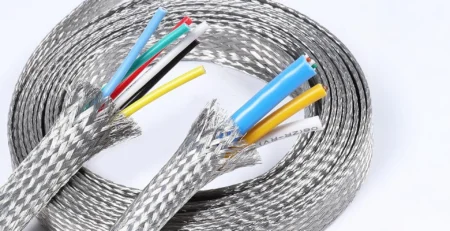
Shielding construction matters. Foil shielding, braided shielding, and combination shielding each serve different needs.
Foil shielding is commonly used for good coverage and lightweight protection. Braided shielding offers stronger mechanical performance and better flexibility. A foil and braid combination may be used when stronger signal protection and durability are both required.
Belden explains that shielding is usually achieved through foil or braid, and a foil plus braid combination can provide extra durability and noise protection.
For areas with high electrical disturbance, an EMI Shielded Cable with stronger shielding may be a better choice.
Match the Cable to the Installation Area
A cable installed inside a clean control panel does not face the same challenges as a cable routed across a factory floor.
Industrial cables may be exposed to oil, heat, moisture, vibration, movement, abrasion, chemicals, or outdoor conditions. These factors affect insulation, jacket selection, flexibility, and service life.
That is why Industrial Wiring Solutions should always be application specific. A cable that works well in one plant may not be suitable for another if the conditions are different.
Check Voltage, Current, and Cable Size
Cable sizing should never be guessed. The voltage rating, current requirement, length of run, and installation conditions should be reviewed before selection.
Wrong sizing can lead to voltage drop, heating, poor performance, or early cable failure. Oversizing without need can increase cost, while undersizing can create long term risk.
IEC 60228:2023 specifies nominal cross sectional areas for conductors from 0.5 mm² to 3,500 mm². It also includes requirements for conductor construction and resistance values.
For industrial buyers, this shows why conductor quality and sizing standards matter in cable selection.
Review Flexibility and Movement Needs
Not all control wiring remains fixed. Some cables are used in moving machinery, flexible conduits, tight control panels, or equipment that experiences vibration.
If the cable needs to bend often, flexibility becomes important. Fine stranded conductors may be suitable for flexible applications, while solid or less flexible conductors may suit fixed installations.
IEC 60228 covers solid, stranded, Milliken, and flexible conductor types in copper, aluminium, and aluminium alloy.
This makes conductor class an important factor when selecting Industrial Control Wire for fixed or flexible use.
Types of Shielded Control Cables
Different applications need different cable constructions. A buyer should not choose a Shielded Control Cable only by name. The actual shielding, conductor, insulation, and jacket must match the usage.
A foil shielded control cable is suitable for many applications where coverage and basic signal protection are needed. It is often used where space and weight are important.
A braided shielded control cable is useful where flexibility, strength, and improved interference protection are required. It is often preferred in demanding industrial zones.
An overall shielded cable has one shield around all cores together. This can work well for many general control wiring applications.
Individually shielded pair cables protect each pair separately. These are useful when multiple signals run through the same cable and need better separation.
Combination shield cables use more than one shielding method. These are suitable for areas where signal protection and durability are both important.
Choosing between these options depends on the equipment, routing, electrical noise level, and expected working life.
Choosing the Right Conductor Material and Size
Copper is widely used in control wiring because of its conductivity, flexibility, and reliable electrical performance. In some environments, tinned copper may be preferred because it provides better resistance in humid or corrosion prone conditions.
Conductor size should match current load, distance, voltage drop, and system requirements. It should also match the installation style.
For example, a fixed control panel may need one type of conductor construction, while a machine with movement or vibration may need another.
This is where working with a knowledgeable cable manufacturer becomes valuable. The right guidance can help buyers avoid both over specification and under specification.
Environmental Factors That Affect Cable Performance
A cable does not work in isolation. It works inside a real environment, and that environment has a direct effect on performance.
In industrial plants, cables may face heat, moisture, oil, chemicals, abrasion, sunlight, vibration, or repeated bending. If the insulation or jacket material is not suitable, the cable may age faster or fail before expected.
PVC insulated cables are used in many general industrial applications. For higher temperatures or demanding conditions, other insulation options may be considered based on application needs. In areas exposed to oil, chemicals, outdoor weather, or mechanical wear, jacket selection becomes equally important.
A reliable Shielded Electrical Cable should protect the signal and also withstand the working conditions around it.
Common Applications of Shielded Control Wire
Shielded Control Wire is used in many industrial areas where signal stability matters.
It is commonly used in PLC wiring, automation panels, machine tools, sensor connections, actuator wiring, conveyor systems, motor control panels, packaging machines, process control systems, water treatment plants, elevators, appliances, battery manufacturing lines, automotive production systems, and industrial control rooms.
In all these applications, the cable supports communication between equipment. If the signal is clean, the system performs better. If the signal is disturbed, even a well designed machine may not operate as expected.
That is why Industrial Automation Cables must be selected with care.
Mistakes to Avoid While Selecting Control Cables
One common mistake is choosing a cable only by price. A low cost cable may seem economical at the time of purchase, but if it causes downtime, repeated maintenance, or replacement, the total cost becomes higher.
Another mistake is using an unshielded cable in high noise areas. The cable may work during testing, but real production conditions can expose the weakness later.
Some buyers also ignore jacket material. This can become a problem in areas exposed to oil, heat, moisture, or abrasion.
Poor grounding is another issue. Shielding works best when installation is done correctly. Belden notes that effective shielding needs a low resistance path to ground and recommends less than 1 Ohm resistance path to ground.
Cable routing also matters. Running signal cables too close to power cables can increase interference. Proper separation, grounding, and routing practices help the cable perform as intended.
Why Quality Matters in Industrial Cable Selection
High quality Shielded Control Wire helps reduce signal disturbance, improve system reliability, and support smoother machine operation.
It also helps plant teams reduce avoidable troubleshooting. When the cable is properly selected, manufactured, tested, and installed, the control system has a stronger foundation.
For OEMs and panel builders, quality cables also support product consistency. For industrial buyers they support uptime and long term performance. For maintenance teams, they reduce uncertainty during fault diagnosis.
This is why the right Industrial Wiring Solutions are not just about cable supply. They are about dependable performance in real working conditions.
Choosing Reliable Cable Solutions for Long Term Performance
Selecting the right Shielded Control Wire begins with understanding the application. The signal type, shielding need, conductor size, insulation, jacket material, flexibility, environment and compliance requirements all matter.
A cable that is right for one machine may not be right for another. That is why buyers should work with a manufacturer that understands industrial use, quality testing, and application specific requirements.
At Balaji Cables & Wires, we focus on reliable cable and wire solutions for industrial needs. From Shielded Control Cable to Industrial Control Wire and customised cable solutions, our goal is to support safer, stronger, and more dependable wiring systems.
If you are selecting a Control Cable for Industrial Use, connect with Balaji Cables & Wires for product guidance, bulk inquiries, and industry ready cable solutions.
FAQs
What is a shielded control wire used for?
A Shielded Control Wire is used to carry control signals in machines, control panels, sensors, automation systems, and industrial equipment. It helps protect signals from electrical noise in demanding environments.
How does shielding protect electrical signals?
Shielding creates a protective layer around the cable cores or conductors. This layer helps reduce the effect of electromagnetic interference and supports cleaner signal transmission.
What industries use shielded control cables?
Shielded control cables are used in automation, automotive, battery manufacturing, water treatment, appliances, elevators, packaging, process control and other industrial sectors.
What is the difference between shielded and unshielded control cables?
A shielded cable has foil, braid, or a combination of shielding to reduce interference. An unshielded cable does not have this protective layer, so it is better suited for areas with lower electrical noise.
How do I select the right shielded control cable for my application?
Choose the cable by checking signal type, voltage rating, conductor size, shielding type, insulation, jacket material, flexibility, environment, and compliance requirements. For industrial use, it is best to consult a reliable cable manufacturer before final selection.