Why Are High Temperature Cables Important for Industries in Daman?
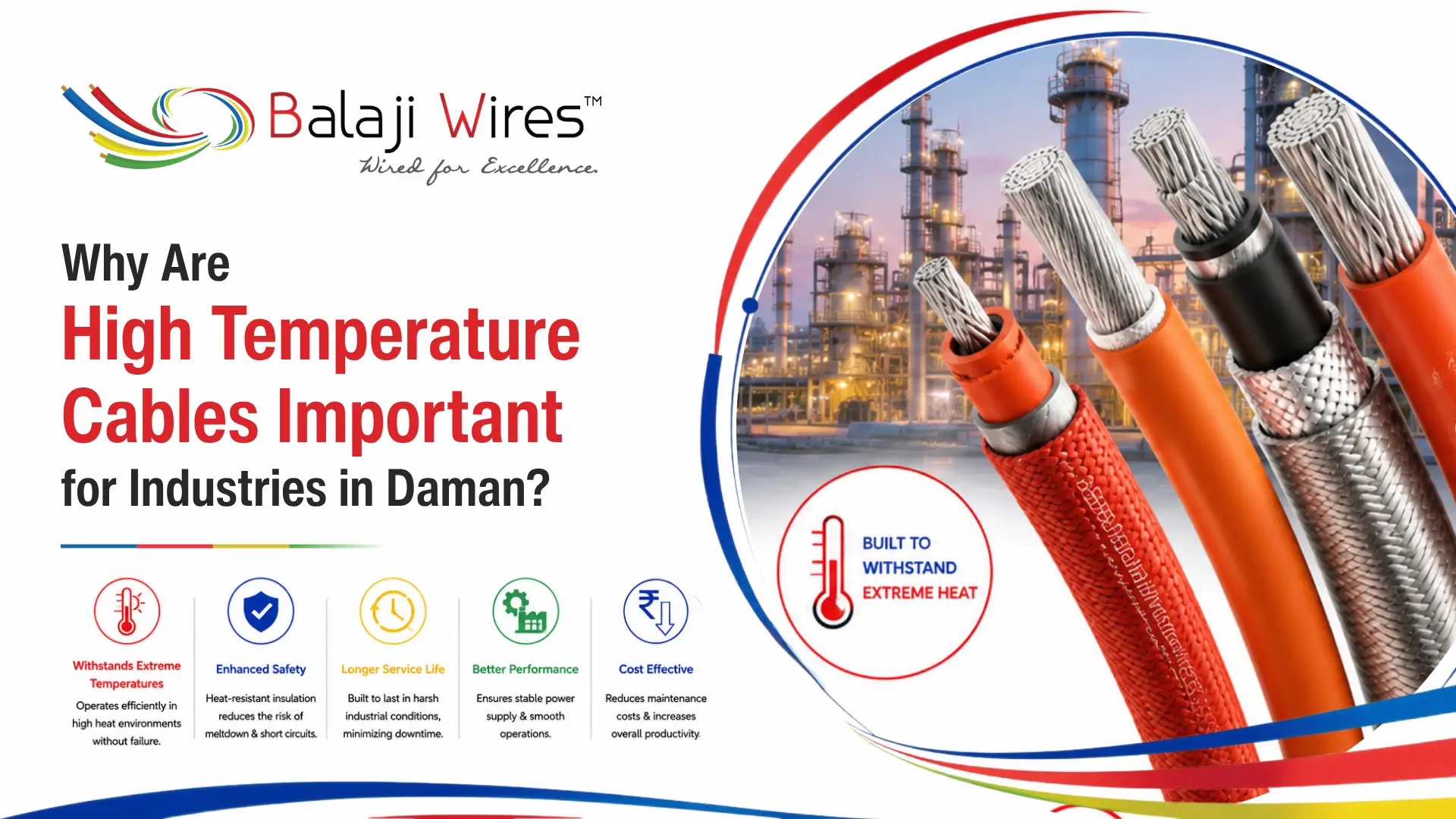
Rakesh Solanki was doing his usual evening round at a chemical processing unit in Kachigam when he noticed something off near the reactor line. A control cable had gone soft and discoloured, its insulation sagging like it had been left too close to a stove. It had been running fine for months. Then a batch that needed extra heat pushed the ambient temperature past what the cable could take and within a day the whole line was down for repairs.
Rakesh isn’t alone in this. Across Daman’s industrial belt, from Kachigam to Dabhel and Bhimpore, plants running chemical processes, plastic moulding and pharma operations deal with heat loads that ordinary wiring was never built to handle. This piece walks through what actually happens in situations like Rakesh’s, and what changes once you understand high temperature cables.
Why Daman’s Industrial Belt Runs Hot
Daman’s factories run two kinds of heat at once. There’s the ambient heat of a coastal industrial zone, and then there’s process heat from reactors, boilers, and moulding machines stacked close together. A cable near Rakesh’s reactor line wasn’t just dealing with room temperature. It was absorbing radiant heat from nearby equipment too, and standard PVC cabling starts to soften well before it reaches those combined levels.
That is really the starting point for understanding industrial cables Daman plants actually need. It’s not about picking something rated slightly higher than normal. It is about matching a cable’s design to the layered heat sources a real plant floor produces.
What Exactly Counts as a High Temperature Cable
So what makes a cable count as high temperature in the first place? It comes down to the conductor’s rated operating temperature, not just a label on the box. Standard PVC insulated wiring is generally built for continuous use around 70 degrees Celsius. A high temperature cable Daman engineers specify for reactor areas or boiler rooms needs to hold up well beyond that, often 90 degrees Celsius and above depending on the insulation type.
Rakesh’s replacement cable ended up being rated for continuous use at a much higher threshold than his old one which is exactly why it has not given him trouble since. The rating isn’t a marketing number. It’s the actual ceiling before insulation starts breaking down.
Where Daman’s Factories Put These Cables to Work
This is not a niche requirement limited to one type of plant. Chemical processing units like Rakesh’s use them near reactors and heated storage tanks, plastic and pharma manufacturers rely on them around extrusion lines and sterilisation equipment, power distribution panels in textile units also need them wherever load concentration pushes up local temperature.
Think about how many of these environments exist within a few kilometres of each other across Daman’s industrial estates. Heat resistant cables Daman factories use aren’t a speciality product anymore. They were a baseline requirement once a plant runs any kind of heat generating process, which describes a large share of what’s actually manufactured here.
The Build Quality That Lets These Cables Take the Heat
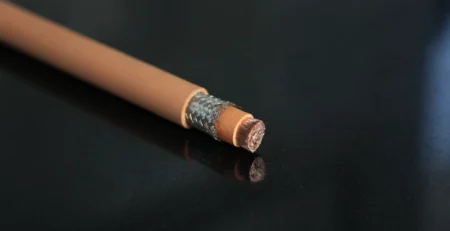
Here’s where it helps to understand what’s actually inside the cable. Two insulation types come up most often in this category. Cross linked polyethylene, usually shortened to XLPE, changes its molecular structure during manufacturing so it resists softening under heat far better than standard polyethene. Silicone rubber insulation takes this further, staying flexible and stable across an even wider temperature range, including in colder conditions.
This is the detail Rakesh’s old cable was missing. It used a basic insulation that simply wasn’t built to hold its shape once heat built up. The newer high heat cables installed in his plant use construction that accounts for exactly this kind of stress, with jacketing that protects against both heat and general wear on a busy factory floor.
How These Cables Hold Up When Temperatures Spike
There’s an important distinction between what a cable handles continuously and what it can survive briefly during a fault or overload. Continuous rating is what the cable runs at day after day without degrading. Short circuit rating is a much higher, brief tolerance meant to protect the system during an unexpected spike before protective equipment kicks in.
Why does this matter to someone like Rakesh? Because a cable that only meets its continuous rating with no safety margin above it is one unexpected load surge away from failing again. Temperature resistant cables built with a wide gap between continuous and short circuit ratings give a plant genuine breathing room during those unpredictable moments.
Picking the Right Cable for Your Plant
Selection comes down to a few honest questions. What is the actual ambient and process temperature in that specific area of the plant, not just a general estimate? What is the cable exposed to beyond heat, such as chemicals, moisture or physical wear? Does the conductor size match the current load without adding unnecessary heat from resistance?
Rakesh worked through exactly this checklist with his supplier before choosing a replacement. It wasn’t about buying the most expensive option. It was about matching the cable to what his line actually does. Getting this step right the first time is far cheaper than another unplanned shutdown and it’s the difference between high temperature wires Daman plants install once and forget versus ones they keep replacing.
Why Daman Buyers Choose Balaji for Industrial Wiring
Balaji Cables and Wires manufactures across facilities in Navi Mumbai and Palsana, with product lines built around exactly the kind of demanding conditions Daman’s plants deal with daily. The focus stays on consistent build quality and clear technical specifications, so buyers know what they’re getting before it goes into a live production line. For plants looking at industrial wiring solutions, Daman requires long term consistency, that consistency matters more than a one time low price.
Getting Your Wiring Ready for the Heat
Rakesh’s situation was not unusual, and that is really the point. Heat related cable failure is a recurring problem across Daman’s industrial zones, and it is almost always preventable once the right cable goes in from the start. If your plant runs any process that generates real heat, it is worth checking whether your current wiring actually matches those conditions. Reach out to discuss your specific requirement, or request product details for your application. A quick conversation now can save a shutdown later.
FAQs
What are high temperature cables used for?
They are used wherever equipment generates sustained heat, such as reactors, boilers, furnaces and moulding lines, protecting wiring from insulation breakdown that standard cables can’t withstand.
How hot can high temperature cables withstand?
Depending on insulation type, continuous ratings typically range from around 90 degrees Celsius for XLPE cables up to 180 to 200 degrees Celsius for silicone rubber insulated cables with higher short term tolerance during faults.
Where are heat resistant cables commonly used?
Chemical processing plants, pharma manufacturing, plastic extrusion units and power distribution panels in industrial zones like Daman’s Kachigam and Dabhel estates all rely on them regularly.
Why are high temperature cables important for industries?
Because standard cables degrade and fail once heat exceeds their rating leading to downtime, safety risks and repeated replacement costs that a properly rated cable avoids.
How do I choose a high temperature cable?
Start by checking the actual ambient and process temperature in that area, then match insulation type, conductor size and certification to those conditions rather than picking a generic higher rated option.