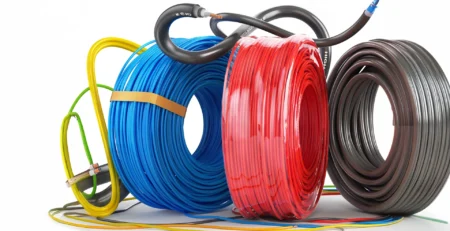
Complete Guide to Special Cables: Engineering for High-Performance Industrial Applications
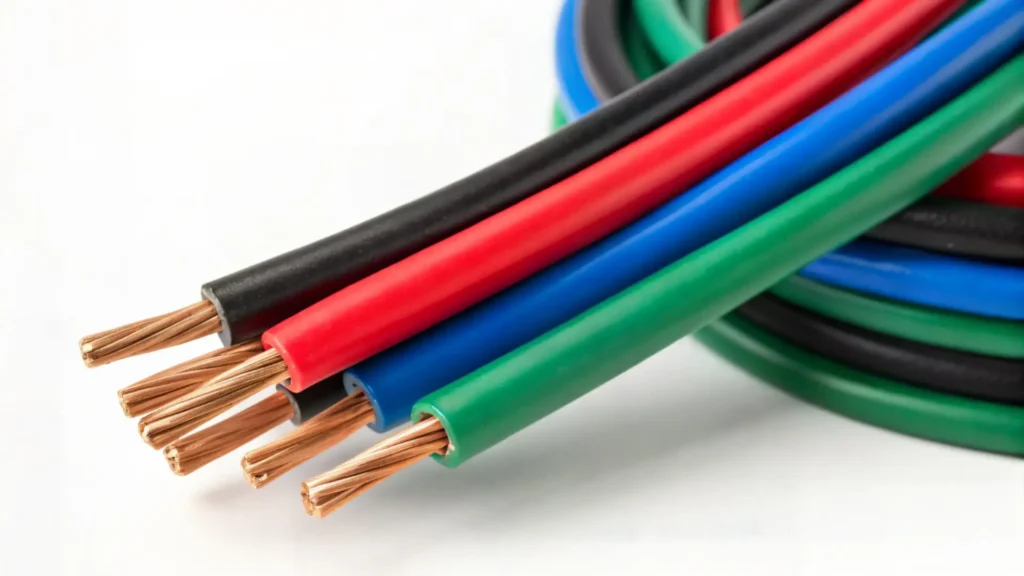
Industrial systems are becoming more advanced with each passing year. Equipment runs faster, environments are harsher, and operational expectations are higher than ever. Yet many businesses still overlook one critical component that keeps everything connected and running smoothly, the cable.
A cable that performs well in one environment may fail to deliver performance in a different one. This is why industries increasingly rely on special cables that are engineered for specific operating conditions From extreme temperatures to constant movement and chemical exposure, these cable solutions are designed to deliver reliable performance where standard cables cannot.
In this guide, we will explore how these specialised solutions work, where they are used, and how to select the right cable for demanding industrial applications.
Understanding the Challenges of Modern Industrial Environments
Industrial operations today face conditions that would quickly degrade ordinary cables. Whether it is manufacturing plants, automotive facilities, power generation units, or process industries these environments often expose cables to harsh conditions like heat, moisture, vibration, chemicals, mechanical stress simultaneously.
Imagine a robotic arm moving continuously throughout the day. A standard or an all purpose cable may crack, wear out, or lose flexibility after repeated bending cycles. Similarly, cables installed near furnaces or industrial processing equipment may face temperatures that exceed the limits of conventional insulation materials.
The consequences can be costly cable failures often result in unplanned downtime, production interruptions, maintenance expenses, and safety risks.
This challenge raises an important question. If the operating environment is unique, should the cable solution also be unique? In most cases, the answer is yes.
Why Special Cables Are Becoming Essential Across Industries
Industrial technology is advancing rapidly automation, electrification, renewable energy, and smart manufacturing are transforming the way industries operate.
According to the International Federation of Robotics, more than 4 million industrial robots are currently operating in factories worldwide, and each of these systems depends on reliable cable connections that must be capable of handling constant motion and demanding workloads.
The electric vehicle sector is another major driver. A report from The International Energy Agency reported that global EV sales surpassed 17 million units in 2024. This growth has shown that there is an increased demand for specialised automotive wiring and battery cable that can withstand high electrical loads and challenging operating conditions smoothly without any loss of power.
Renewable energy projects are also showing similar requirements. Solar plants, wind farms, and energy storage systems, they all rely heavily on durable cable infrastructure capable of performing in outdoor and often extreme environments.
These developments explain why industrial special cables are becoming a critical part of modern infrastructure. Industries are no longer looking only for connectivity, they are looking for reliability, safety, longevity, and operational efficiency, all in one, which can only be achieved with the help of special cables.
What Are Special Cables and How Are They Engineered
At their core, special cables are engineered to perform under specific environmental, electrical, or mechanical conditions.
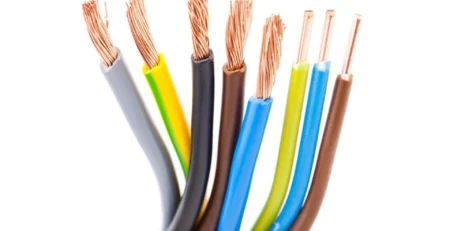
Unlike standard cables that serve general applications, specialised cables are designed with particular performance requirements in mind. Their construction, materials, insulation systems, shielding, and protective jackets are selected based on where and how they will be used.
What Makes Them Different
A specialised cable may include the following components like,
- Heat resistant insulation,
- Chemical resistant outer sheaths,
- Enhanced flexibility,
- High voltage capabilities,
- Electromagnetic shielding,
- Flame retardant properties,
- Moisture and UV resistance,
Every component contributes to the overall performance of the cable.
Why Engineering Matters
Cable performance begins with the primary task, that is material selection. Conductors must deliver efficient electrical transmission. Insulation must protect against environmental stress. Outer jackets must resist wear, abrasion, chemicals, and weather exposure.
For industries with highly specific requirements, manufacturers develop custom special cables tailored to exact operational needs.
For example, a manufacturing facility may require a cable that can tolerate oil exposure, continuous movement, and elevated temperatures simultaneously. Standard products may address one or two of these requirements, but a custom-engineered solution can address all of them together.
Types of Special Cables Used in High Performance Applications
Different industries require different cable solutions. Understanding these categories can simplify the selection process.
Heat Resistant Cables
These cables are designed for high temperature environments such as steel plants, foundries, glass manufacturing facilities, and industrial ovens.
Special insulation materials help maintain performance even when exposed to continuous heat.
Flexible Motion Cables
Robotics and automation systems depend on cables that can bend repeatedly without losing performance even after a million bends.
These cables are engineered to withstand continuous flexing, twisting, and movement.
Chemical and Oil Resistant Cables
Industries such as petrochemicals, processing plants, and manufacturing facilities often expose cables to aggressive substances.
These cables use protective materials that resist degradation caused by oils, solvents, and chemicals.
Marine and Offshore Cables
Marine environments introduce challenges that were never seen before, such as moisture, salt exposure, and corrosion.
Specialised marine cables are built to maintain reliable performance in these demanding conditions.
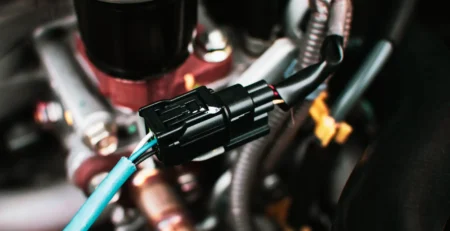
Automotive and EV Cables
The rapid growth of the EV sector has shown an increased demand for specialised battery, charging, and vehicle wiring systems.
These cables must handle high currents while maintaining safety and durability.
Instrumentation and Control Cables
Industrial monitoring and automation systems require accurate signal transmission with precision as well. These cables are designed to minimise interference and maintain communication reliability.
Fire Resistant Cables
Critical infrastructure often requires cable systems that continue functioning during fire emergencies or disasters.
These types of special purpose cables help support amenities like emergency lighting, alarms, and safety systems when they are needed most.
How to Select the Right Special Cable for Your Industry
Selecting the right cable begins with understanding the application.
Evaluate Environmental Conditions
Start by examining the operating environment.
Consider factors such as
- Temperature range,
- Moisture exposure,
- Chemical contact,
- Outdoor installation,
- UV exposure,
Environmental conditions often have the biggest impact on cable lifespan.
Understand Electrical Requirements
Every application has unique electrical demands.
Consider the following factors,
- Voltage ratings,
- Current carrying capacity,
- Signal transmission requirements,
- Power distribution needs,
Choosing the wrong electrical specification can lead to performance issues and safety concerns, which can create an unexpected halt in your system.
Consider Mechanical Stress
Will the cable remain stationary or move continuously?
Will it experience vibration, bending, torsion, or abrasion?
Understanding these factors helps determine the required flexibility and durability, this is primarily required in sectors like robotics and EVs.
Verify Compliance Requirements
Industries are often required to meet compliance with specific standards and certifications, selecting certified cables helps ensure safety, quality, and regulatory compliance
Match Performance to Application
The goal is not to purchase the most expensive cable. The goal is to select the right cable.
Well-designed special purpose cables deliver long term value because they reduce maintenance requirements and minimise operational disruptions.
Key Design Features That Differentiate High Performance Cables
Not all specialised cables are built the same. Several design elements directly influence performance.
Advanced Conductor Construction
The conductor serves as the backbone of the cable.
High quality copper conductors improve electrical efficiency, reduce losses, and support long term reliability.
Specialised Insulation Systems
Materials such as XLPE, silicone rubber, PTFE, and TPE provide enhanced protection against heat, chemicals, and environmental stress.
Each material offers specific performance benefits depending on the application.
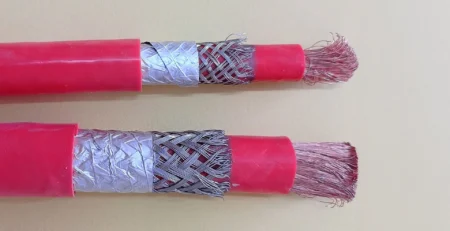
Effective Shielding
Industrial environments often deals with electromagnetic interference from machinery as well as electrical equipment, in that scenario shielding helps protect signal integrity and ensures reliable communication throughout the system.
Durable Outer Jackets
The outer layer serves as the first line of defence.
High performance jackets resist abrasion, chemicals, moisture, UV exposure, and mechanical damage.
These characteristics make special electrical cables suitable for demanding industrial environments.
Common Mistakes to Avoid When Choosing Special Cables
Many cable related issues stem from avoidable selection mistakes.
Common errors you may make,
- Choosing based solely on price
- Ignoring environmental conditions
- Overlooking future operational requirements
- Failing to verify certifications
- Using standard cables in specialised applications
- Underestimating mechanical stress factors
While initial savings may appear attractive but incorrect cable selection often leads to higher long term costs, because we never know what may happen with cheap quality cables.
Best Practices for Long Term Cable Performance
Even the highest quality cable requires proper installation and maintenance.
To maximise service life
- Conduct a detailed application assessment before selection.
- Follow manufacturer installation guidelines.
- Avoid excessive bending beyond recommended limits.
- Perform routine inspections
- Monitor environmental conditions
- Replace damaged cables promptly.
- Partner with experienced cable manufacturers
A proactive approach helps maintain system reliability and reduces unexpected downtime.
Conclusion
Industrial operations depend on dependable connectivity. As environments become more demanding and systems become more advanced, the role of special cables continues to grow.
Whether you require industrial special cables for automation systems, custom special cables for unique operating conditions, or high performance special electrical cables for critical applications, choosing the right solution directly impacts safety, efficiency, and long term reliability.
At Balaji Wires & Cables, we understand that every application has unique requirements. Our focus is on delivering industry ready cable solutions engineered for reliable performance across demanding industrial environments.
Looking for the right cable solution for your application? Contact our team to discuss your requirements and discover a cable solution designed around your operational needs.
FAQs
What are special cables?
Special cables are engineered cable solutions designed to perform in specific environmental, electrical, or mechanical conditions where standard cables may not provide reliable performance.
Why are industrial special cables important?
Industrial special cables improve reliability, safety, and operational efficiency in demanding environments such as manufacturing plants, automation systems, energy facilities, and transportation infrastructure.
How do custom special cables differ from standard cables?
Custom special cables are designed around specific application requirements, including temperature resistance, flexibility, chemical protection, voltage handling, and environmental durability.
What industries commonly use special purpose cables?
Industries such as automotive, renewable energy, manufacturing, marine, infrastructure, telecommunications, and industrial automation regularly use special purpose cables.
Why should environmental conditions influence cable selection?
Environmental factors such as heat, moisture, chemicals, and mechanical stress directly affect cable performance and lifespan. Proper selection helps prevent failures and downtime.
How can businesses choose the right special electrical cables?
Businesses should evaluate environmental conditions, electrical requirements, mechanical stress factors, compliance standards, and application needs before selecting special electrical cables.