Which Wire Is the Best House Wire for Home Wiring in 2026? Complete Expert Guide
Electrical wiring is something you rarely see, yet it carries the entire life of your home. From air conditioners and refrigerators to smart lighting and EV chargers, everything depends on the quality of the house wiring hidden behind your walls.
In 2026, choosing the best house wire is no longer about price or brand recall alone. It is about safety, performance, compliance, and future readiness.
So how do you decide what truly works for your home? Let us walk through it carefully.
The Real Problems Homeowners Face with Electrical Wiring
Most wiring problems do not begin with sparks. They begin quietly.
Flickering lights. Warm switchboards. Frequent tripping. A faint burning smell that disappears before you can identify it. Rising electricity bills without any obvious change in usage.
These are not random events. They are signs that the house wiring wire may not be designed for the load it is carrying.
Modern homes demand more power than ever before. A single kitchen can run an induction cooktop, microwave, refrigerator, chimney and water purifier at the same time. Add air conditioning and smart home devices and the load increases further.
The National Fire Protection Association reports that electrical distribution and lighting equipment remain one of the leading causes of residential fires globally. It is also a primary contributor to direct property damage and ranks among the top causes of fire-related injuries and deaths in homes.
This is why selecting a safe electrical wire is not a minor decision. It directly impacts your family’s safety.
Now that we understand the risks, the next question becomes more important. Why is 2026 different?
Why Choosing the Right Home Wiring Cable Matters in 2026
The way we use electricity has changed.
According to the International Energy Agency Electricity 2026 report, global electricity demand is projected to grow at an average rate of 3.3% to 3.7% annually through 2026. A significant portion of this growth comes from residential consumption, driven by appliance penetration and increased cooling needs.
In simple terms, homes are using more electricity than ever before.
Air conditioners are no longer luxury items. Electric water heaters run daily. Many households are planning EV charging setups. Home automation systems are becoming common.
This means the home wiring cable you install today must be ready for higher and continuous loads. It must maintain conductivity, resist overheating and prevent insulation breakdown over time.
Building regulations are also evolving. Modern building codes, including the National Building Code of India, increasingly recommend fire-resistant and low smoke cables. Studies indicate that nearly 80% of fire related deaths are due to smoke inhalation rather than direct burns. FR and FRLS cables significantly improve evacuation visibility compared to standard PVC insulation.
When demand increases and safety standards tighten, the choice of the best house wire becomes a long term investment decision, not just a construction line item.
So what exactly defines the right choice?
What Defines the Best House Wire in 2026
Choosing correctly requires looking at five essential factors. Each one plays a role in safety and performance.
Conductor Material
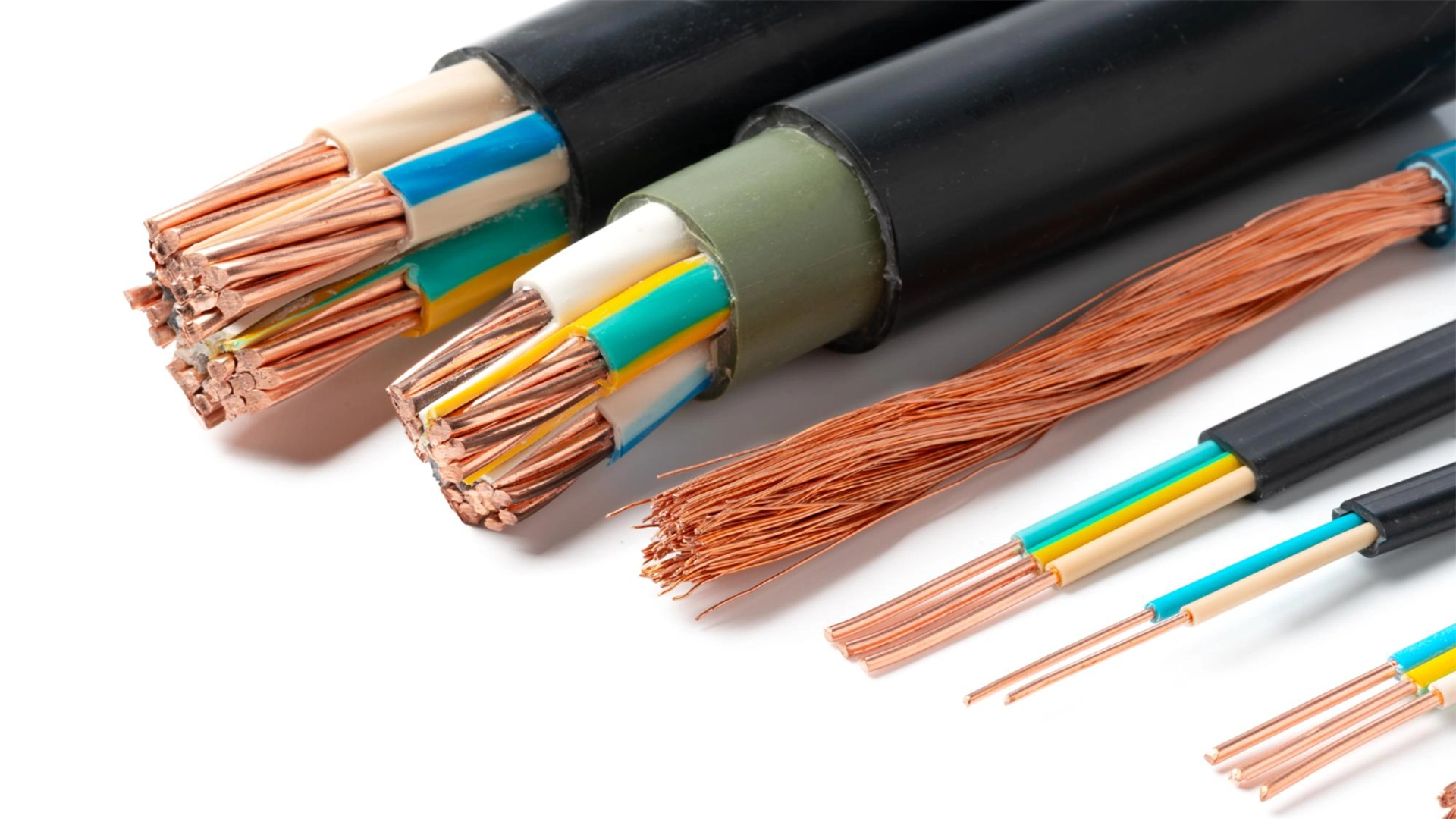
The conductor is the heart of any house wiring wire. It carries electrical current from point to point.
Most residential wiring uses copper or aluminium. Industry data confirms that aluminium has about 61% of the electrical conductivity of copper. In practical terms, copper’s electrical conductivity is about 1.6 times higher than that of aluminium.
What does this mean for your home?
A copper wire can carry more current with lower resistance. Lower resistance means reduced energy loss and less heat generation. Over time, this improves efficiency and durability.
Copper is also more flexible, which makes installation smoother and reduces the chances of internal conductor breakage.
For most residential applications, especially high load circuits, copper remains the preferred option when selecting the best house wire.
Insulation and Fire Safety
The outer insulation protects the conductor and prevents short circuits.
Not all insulation performs the same way under stress. High quality insulation resists heat, moisture and abrasion. Fire resistant grades such as FR and FRLS reduce flame spread and smoke emission.
In an emergency, this difference becomes critical. A certified safe electrical wire with FRLS insulation slows down flame propagation and limits toxic smoke release.
When evaluating a home wiring cable, always check the insulation grade. Kitchens, air conditioning circuits and heavy load areas particularly benefit from higher fire resistance ratings.
Current Carrying Capacity
Every wire has a limit. That limit is known as its current carrying capacity.
If the selected house wiring wire is undersized, it will heat up when the load increases. Repeated overheating weakens insulation and can lead to failure.
This is where proper load calculation becomes essential. Think ahead. Will you add more appliances in the future? Are you planning EV charging? Are air conditioners likely to increase?
Selecting the best house wire means planning for both present and future demand.
Certification and Compliance
Quality claims mean little without certification.
In India, IS 694 2010 is the mandatory standard governing PVC insulated cables up to 1100 volts. It applies to both copper and aluminium conductors. Compliance ensures that the home wiring cable meets defined safety and performance benchmarks.
Always look for ISI and BIS markings. Certified products reduce risk and provide confidence that the safe electrical wire installed in your home meets national safety norms.
Durability and Long Term Performance
Wires remain inside walls for decades. Replacing them later is disruptive and expensive.
High quality copper wiring maintains its conductivity over time. Proper insulation resists cracking and brittleness. A reliable house wiring wire should perform consistently for 20 to 30 years when installed correctly.
Durability is not about appearance. It is about stable performance under continuous load.
Practical Tips and Mistakes to Avoid
Even the best materials can fail if basic principles are ignored.
Here are key recommendations.
• Always calculate the load of each circuit before selecting the house wiring wire
• Use copper for high load circuits whenever possible
• Choose FR or FRLS rated safe electrical wire in kitchens and heavy appliance areas
• Keep separate circuits for air conditioners, geysers and EV chargers
• Purchase certified home wiring cable from trusted manufacturers
Now consider common mistakes.
• Selecting wires purely based on price
• Ignoring future load expansion
• Using undersized conductors to save cost
• Skipping certification checks
• Mixing aluminium and copper wiring without proper connectors
These mistakes may reduce initial expense, but they increase long term risk.
It is also worth noting that the Indian Electrical and Electronics Manufacturers Association has identified building wires and cables as a major growth segment due to housing expansion and electrification initiatives. With growing demand comes variation in quality. Choosing wisely matters more than ever.
Plan Smart Today, Stay Safe Tomorrow
Your electrical system is the backbone of your home. It powers comfort, convenience and safety.
The best house wire in 2026 is one that combines high conductivity, certified insulation, adequate load capacity and regulatory compliance. A well-chosen home wiring wire lowers the risk of a fire, avoids overheating, and facilitates future growth.
Seek advice from qualified experts when planning a renovation or new building project. Carefully consider the load requirements. Select a long-lasting, certified safe electrical wire that satisfies BIS requirements.
If you would like expert guidance in selecting the right home wiring cable for your project, connect with our technical team. We are here to help you make an informed decision that will protect your home for years to come.
Frequently Asked Questions
Which is better for home wiring, copper or aluminium?
Copper generally offers higher conductivity and better durability. A copper wire carries more current with less resistance compared to an aluminium wire of the same size.
How long does house wiring last?
A high quality and certified house wiring wire can last 20 to 30 years under normal residential conditions.
What makes a wire safe for homes?
A safe electrical wire should have certified insulation, proper current carrying capacity and compliance with IS 694 standards.
Is FRLS insulation necessary for homes?
FRLS insulation improves fire resistance and reduces smoke emission. It is recommended for residential applications, especially high load circuits.
How do I choose the right size home wiring cable?
Load calculation is essential. Consider current appliance demand and future expansion before selecting the appropriate home wiring cable size.