Why Industries Are Switching to EnDura High Temperature Cables
Many modern industries today operate with significantly higher thermal loads, faster production cycles, and more advanced machinery than ever before. As equipment evolves, the wiring that powers and controls it must evolve too. This shift is one of the primary reasons industries across sectors are replacing conventional wiring with high-temperature alternatives. EnDura High Temperature Cables have emerged as a trusted option because they offer reliability, stability, and safety where ordinary wiring cannot survive. Many manufacturers are making the switch because modern operations demand performance that meets higher electrical, mechanical, and thermal expectations.
Industries that once relied on standard PVC or low-temperature wiring are now facing increasing operational issues. High heat zones, continuous work cycles, and strict safety standards have made traditional materials insufficient. As a result, engineering teams are looking for tested and certified wiring that maintains performance even under demanding conditions. This growing trend explains why more decision makers intend to buy EnDura High Temperature Cables and integrate them into critical systems. The transition is not driven by convenience. It is driven by necessity.
Industrial Challenges That Lead to High-Temperature Cable Adoption
Industrial systems today produce more heat than earlier generations of equipment. The rise in automation and the demand for uninterrupted operation have increased average temperature exposure across production lines. In steel processing plants, for example, furnace areas often reach temperatures between 1200°C and 1600°C. While wiring is not directly exposed to that level of heat, surrounding zones can still cross limits that ordinary insulation materials cannot tolerate.
The automotive industry also faces similar challenges. Exhaust manifolds and turbo systems tend to exceed 800°C frequently. Any wiring installed near these components must maintain flexibility and electrical stability even when the engine has been working for many hours. Traditional materials lose integrity quickly in such environments, which leads to failures, shutdowns, and expensive maintenance. This is one of the reasons automotive and EV manufacturers actively explore improved cable solutions for their higher temperature zones.
Across manufacturing sectors, the limitations of conventionally insulated wires are becoming more visible. PVC insulation, for example, softens and degrades once temperatures reach 100°C. In some environments, it may crack or carbonize, which exposes conductors and increases safety risks. As plants modernize, safety compliance becomes stricter. Engineering auditors now require wiring that can retain structural and electrical strength during prolonged exposure to heat, vibration, and chemical interaction. These practical challenges are driving the shift toward EnDura High Temperature Cables.
Why EnDura High Temperature Cables Are Becoming the Preferred Choice
EnDura cables are engineered to operate in conditions that exceed the thresholds of typical industrial wiring. Their construction focuses on thermal endurance, mechanical strength, and long-term reliability. Even without listing product-specific specifications, it is clear why they are chosen across facilities that operate in demanding environments.
Stable performance under sustained heat
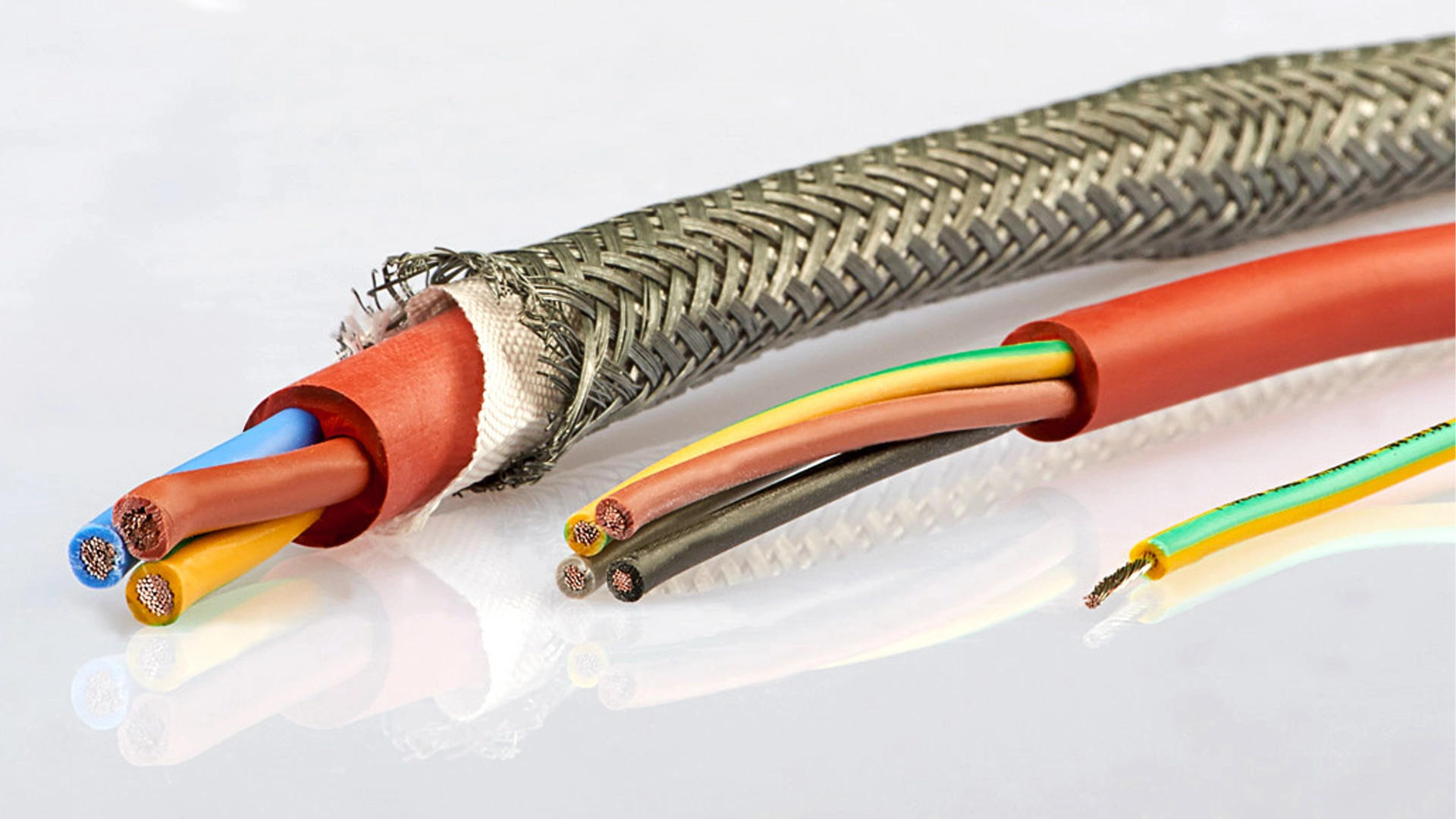
High-temperature cables rely on advanced insulation materials such as silicone, PTFE, fiberglass, and other heat-resistant compounds that maintain stability as temperatures rise. Silicone insulation often supports continuous operation up to 180 °C. PTFE insulation has a much wider range and remains stable from -65°C to +260°C. These temperature benchmarks are widely accepted within the industry and highlight the difference between standard wiring and high-temperature alternatives.
Mechanical strength suitable for industrial environments
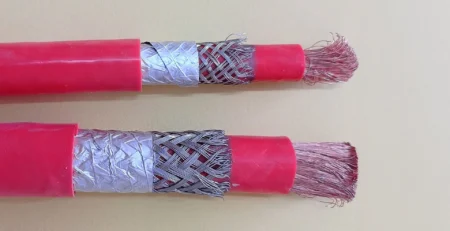
High-temperature zones do not really exist in isolation. They are often accompanied by vibration, abrasion, or even chemical exposure. The insulation materials and jackets used in EnDura cables are made to resist these factors, which helps maintain its functionality even when installed in heavy-duty equipment. This combination of thermal resistance and mechanical durability is one of the major reasons why engineers prefer these cable solutions when upgrading older wiring networks.
Improved fire resistance and safety performance
Safety plays a key role in cable selection for industrial systems. If we look closely, wiring failures caused by overheating are a leading cause of electrical incidents in factories. Regulations now require cables that can maintain circuit integrity for longer durations when exposed to fire. Standards such as IEC 60331 define test procedures for fire resistance, and many industries treat compliance with such benchmarks as essential. For organizations focused on long-term risk reduction, the decision to buy EnDura High Temperature Cables is often influenced by the need to improve fire safety within their plants.
Significant reduction in downtime and maintenance
Frequent cable failure can interrupt production schedules and cost facilities both time and resources. High-temperature cables reduce these unplanned interruptions because they remain stable even after repeated thermal cycles. The extended operating life of these cables directly contributes to lower maintenance costs and improved system reliability, which explains why many industries consider them a long-term investment rather than a short-term purchase.
Industries Leading the Shift Toward EnDura High Temperature Cables
The move toward high-temperature wiring is not limited to one sector. Several major industries have already begun incorporating these cable solutions into their infrastructure.
Steel and metal processing
Steel plants operate some of the hottest industrial equipment in the world. Although cables are not placed directly inside furnaces, surrounding areas still experience temperatures high enough to weaken conventional insulation. Applications include temperature sensors, motor connections, control circuits, and furnace monitoring systems. The ability of EnDura cables to maintain insulation integrity makes them suitable for these environments.
Automotive and electric vehicle manufacturing
The automotive sector has shifted to more compact designs with components placed closer to thermal hotspots. Electric vehicles introduce additional thermal demands due to battery systems and specialized power electronics. High-temperature cables support wiring inside engine compartments, heat shields, battery assemblies, and near exhaust components. The shift in engineering design is one of the primary reasons automotive manufacturers choose to buy EnDura High Temperature Cables for their new production lines.
Oil, gas, and petrochemical facilities
These industries expose wiring to a combination of heat, chemicals, hydrocarbon vapors, and mechanical stress. High-temperature cables are used because they keep working even when they are around harsh chemicals. They don’t melt or break down easily. These cables help run big machines like pumps, drilling machines, and other equipment in factories.
Aerospace and defense
Aircraft and defense systems require wiring that can operate at extreme altitudes and through sudden temperature shifts. PTFE based insulation is commonly used here because it remains stable from extremely low temperatures to very high ones. EnDura cables support systems such as avionics, communication controls, engine systems, and ground support equipment.
Industrial heating and thermal processing
Industrial ovens, commercial food heating systems, ceramic processing units, and thermal curing equipment rely on continuous operations in high temperatures. The wiring installed around these systems must resist prolonged exposure to heat. EnDura cables offer insulation stability that supports long operational cycles without degradation.
Renewable energy and power generation
Solar panels generate high surface temperatures, especially during peak sunlight hours. Wind turbines heat up and cool down repeatedly due to changing weather conditions. High-temperature wiring helps these machines last longer and work efficiently even when the temperature fluctuates.
Railways and public transportation
Mass transit systems require fire-resistant wiring to improve passenger safety. High temperature cables that meet low smoke and halogen-free requirements are preferred for railway coaches, metro systems, and control circuits.
How Switching to EnDura High Temperature Cables Improves Industrial Reliability
The shift toward EnDura cables is rooted in measurable benefits that organizations experience after replacing outdated wiring.
Stable electrical performance even in harsh environments
High-temperature cables maintain conductivity without significant resistance changes. This prevents voltage drops, reduces overheating, and preserves equipment stability.
Greater safety and risk reduction
Industries with heat-intensive operations prioritize safety above all else. Wiring that can retain circuit integrity under adverse conditions helps prevent accidents and supports emergency response systems.
Longer equipment lifespan
Poor quality wiring transfers thermal stress to connected components. High-quality insulation reduces this stress and ensures that motors, sensors, controllers, and power units last longer.
Lower operational expenses
Although the initial cost may be higher than traditional wiring, the long-term reduction in downtime, system failures, and maintenance expenses makes the switch financially beneficial.
Consistency across multiple applications
Having one category of wiring that performs well across different environments helps industries standardize their installations. It simplifies procurement and ensures uniform quality across systems.
Why This Shift Is Happening Now
The transition to advanced high-temperature wiring is gaining momentum due to a combination of technological and operational factors. Modern equipment is designed for higher output and greater efficiency, which creates thermal stress. Automation increases operational hours and removes the cooling periods that older equipment once had. Safety regulations continue to evolve, and compliance expectations are rising. Companies are also more aware of long-term operational costs and prefer solutions that reduce maintenance and support predictable performance.
When viewed together, these factors explain the growing preference among industries to integrate dependable and certified cable solutions. EnDura cables match these expectations and provide the reliability that modern infrastructure demands.
Industries across sectors are upgrading to high-temperature wiring because traditional insulation materials can no longer support the demands of modern operations. EnDura High Temperature Cables provide thermal stability, mechanical strength, and long-term performance that directly improves safety and operational reliability. As more plants modernize, the need for wiring that performs under extreme conditions is becoming standard rather than optional.
For manufacturers and engineering teams focused on durability, compliance, and consistent performance, the decision to buy EnDura High Temperature Cables is a strategic one. These cables offer industry-ready reliability and support uninterrupted operations even in the most challenging environments. The shift toward high-temperature wiring is not a trend. It is the new standard for industries that prioritize safety and long-term performance.