Complete Guide to Copper Wire Structure, Properties, and Performance for Industrial Applications
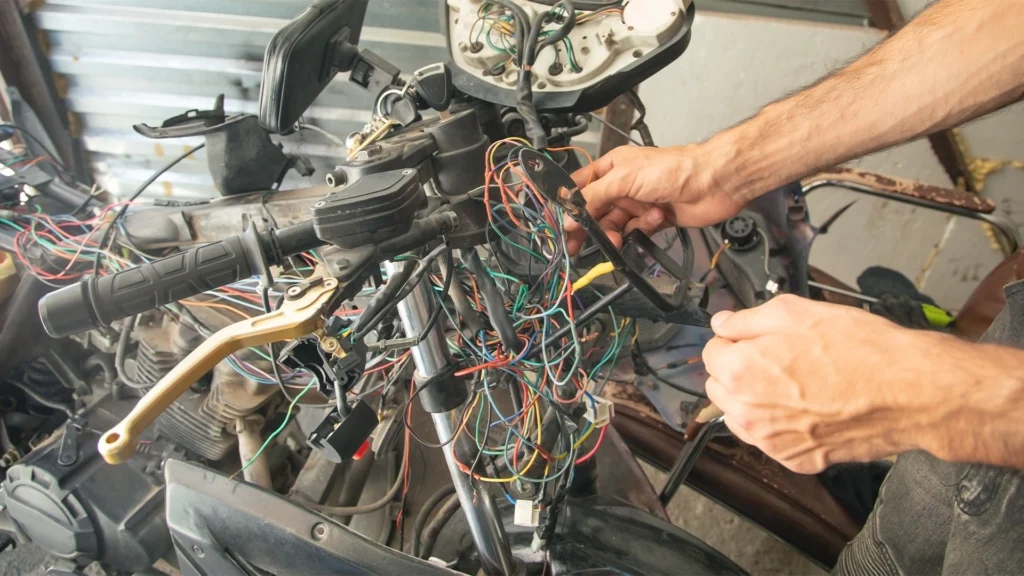
In many industrial setups, performance issues rarely start where you expect the most. A system may look strong on the surface, yet it might have small inefficiencies that keep showing up. Often, the root cause lies in something you would have never thought of! Your wires.
You may already be using a copper cable, but is it truly delivering consistent performance under real working conditions?
If you are planning to buy copper wire, understanding its structure and properties can help you avoid costly mistakes and ensure long-term reliability.
The Real Challenges with Copper Wire Selection
Choosing the right wire is not always straightforward. Many buyers assume that all copper wires perform the same. In reality, even slight variations in structure and quality can affect performance significantly.
You may face inconsistent conductivity, overheating issues, or unexpected failures during operation. In some cases, the problem comes from poor insulation. In others, it is due to low-grade copper used by an unreliable copper wire manufacturer.
Another common challenge is confusion. There are multiple grades, sizes, and specifications available. Without a clear understanding, it becomes difficult to identify what suits your application.
Have you ever noticed equipment heating up more than expected or performance dropping over time? These are often early signs that the wire quality or structure is not aligned with your needs.
Recognising these challenges is the first step toward making a better decision.
Why Copper Wire Structure and Performance Matter Today
The demand for high-performance wiring has increased across industries. Electric vehicles, renewable energy systems, and modern infrastructure all rely heavily on efficient wiring solutions.
According to the International Energy Agency, electric vehicles use two to four times more copper than conventional vehicles. This shift alone is reshaping how industries approach wire selection.
At the same time, energy efficiency is becoming a priority. Copper offers excellent conductivity, around 59.6 × 10⁶ S per meter at 20 degrees Celsius, which helps reduce energy loss. This makes it a preferred choice for critical applications.
However, not all copper wires in the market meet the same standards. Rising raw material costs have led to compromises in quality in some cases. This makes it even more important to work with a trusted copper cable supplier in India who focuses on tested and certified products.
In today’s industrial generation, it is not just about using copper. It is about using the right copper solution that delivers reliable performance over time.
Understanding Copper Wire Structure and Composition
To make an informed choice, it is important to understand how copper wire is built. Each layer plays a role in its performance.
Conductor Design
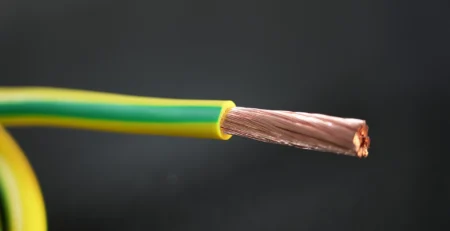
The conductor is the very core of your wire. It is usually made of high purity copper that ensures a smooth flow of electric current.
You must be thinking. Why does this matter? Because conductivity directly affects performance. Higher purity means lower resistance and better efficiency.
When you buy copper wire, always check for material quality and compliance with standards. A well-designed conductor ensures consistent output across applications.
Stranding and Solid Construction
Copper wires are available in solid and stranded forms.
Solid wires consist of a single conductor. They are strong and suitable for fixed installations.
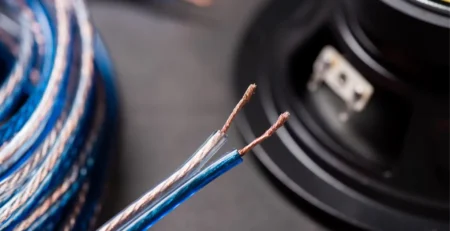
Stranded wires are made of multiple thin strands twisted together. They offer flexibility and are ideal for applications where movement is involved, such as automotive systems.
Choosing between the two depends on your use case. If flexibility is important, stranded wires are a better option. If stability is the priority, solid wires work well.
Insulation and Protection Layers
The outer layer of the wire protects the conductor from environmental factors. This includes heat, moisture, and mechanical damage.
Good insulation improves safety and durability. It also ensures that the wire performs well under different operating conditions.
In industrial environments, insulation quality can make a significant difference. Poor insulation often leads to failures, which can be costly and disruptive.
Key Properties That Define Copper Wire Performance
Understanding structure is only one part of the equation. Performance depends on key properties that define how the wire behaves in real conditions.
Electrical Conductivity
Copper is widely used because of its excellent conductivity. It allows efficient transmission of electricity with minimal loss.
In practical terms, this means better performance and lower energy costs.
For industries aiming to improve efficiency, this is a major advantage.
Thermal Resistance
Wires often operate under varying temperature conditions. High thermal resistance ensures that the wire can handle heat without degrading.
This is especially important in automotive and industrial machinery, where heat generation is common.
A high-quality copper cable with proper insulation can maintain stability even under high loads.
Mechanical Strength
Mechanical strength determines how well the wire can withstand physical stress.
During installation or operation, wires may bend, twist, or face external pressure. Strong wires maintain their integrity in such conditions.
This is particularly important in applications where movement is involved.
Corrosion Resistance
Environmental exposure can affect wire performance over time. Moisture, chemicals, and air can lead to corrosion.
Copper naturally offers good resistance, but additional protection enhances durability.
This ensures longer service life, especially in outdoor or harsh environments.
How to Evaluate Copper Wire for Your Application
Selecting the right wire requires a practical approach. It is not just about specifications, it is about suitability.
Understand Your Application Needs
Start by identifying where and how the wire will be used.
Is it for automotive systems, building wiring, or industrial equipment? Each application has different requirements.
Defining these needs helps you avoid underperformance or unnecessary costs.
Check Certifications and Standards
Always look for wires that meet industry standards. Certifications indicate that the product has been tested for safety and performance.
This reduces the risk of failures and ensures compliance with regulations.
Choose a Reliable Manufacturer
Working with a trusted copper wire manufacturer ensures consistency in quality.
Experienced manufacturers follow strict testing processes and maintain quality control. This gives you confidence in the product you are using.
A reliable partner also helps you choose the right solution based on your requirements.
Focus on Long Term Value
Price is important, but it should not be the only factor.
Low-cost options may seem attractive initially, but they often lead to higher maintenance costs.
Investing in quality ensures better performance and reduces downtime.
When sourcing from a dependable copper cable supplier in India, you are not just buying a product. You are investing in long-term reliability.
Practical Tips and Common Mistakes to Avoid
Small mistakes during selection or installation can lead to major issues later. Here are some key points to keep in mind
- Do not choose based on price alone when you buy copper wire.
- Always verify the reputation of the supplier before purchasing.
- Match the wire type with your application requirements.
- Pay attention to insulation quality, not just the conductor.
- Follow proper installation practices to maintain performance.
- Use tested and certified copper cable solutions for critical applications.
These simple steps can help you avoid unnecessary risks and ensure better results.
Let’s Conclude Now
Copper wire plays a critical role in the performance of any electrical system. Its structure, material quality, and properties directly influence efficiency and reliability.
By understanding how copper wire works and what to look for, you can make better decisions when sourcing.
Working with an experienced copper wire manufacturer ensures that you get consistent, industry-ready solutions designed for performance.
If you are planning to upgrade your systems or source reliable wiring, this is the right time to act.
FAQs
What is the difference between solid and stranded copper wire?
Solid wire has a single conductor and is used in fixed installations. Stranded wire is flexible and suitable for applications where movement is involved.
Why is copper preferred for electrical wiring?
Copper offers high conductivity, durability, and resistance to corrosion, making it ideal for efficient power transmission.
How do I choose the right copper cable for my application?
You should evaluate load requirements, environment, flexibility needs, and safety standards before making a decision.
What should I check before I buy copper wire?
Look for certifications, material quality, insulation type, and the reputation of the manufacturer or supplier.
How does copper improve energy efficiency?
Due to its high conductivity, copper reduces energy loss during transmission, improving overall system efficiency.