Types of Conductor Braids and Their Applications
Electrical failures rarely begin with a dramatic breakdown.
Most start quietly at connection points that face heat vibration or constant movement.
Rigid conductors struggle in these conditions and slowly lose reliability.
This is why flexible conductor braids cable designs are becoming essential wire solutions across industries that cannot afford downtime.
Where Electrical Failures Usually Begin
In many industrial systems, the cable is not the real weak link.
The connection is.
Machines vibrate during operation. Motors switch on and off throughout the day. Equipment heats up while running and cools down when it stops. Over time, this constant movement and temperature change puts stress on rigid conductors.
Slowly, small cracks begin to appear. Terminals start to loosen. Electrical resistance increases, and heat builds up quietly in the background.
Most maintenance teams notice the issue only after something goes wrong. A breakdown occurs. Production comes to a stop. Repairs become urgent, and costs rise faster than expected.
This is where flexible wire solutions make a real difference.
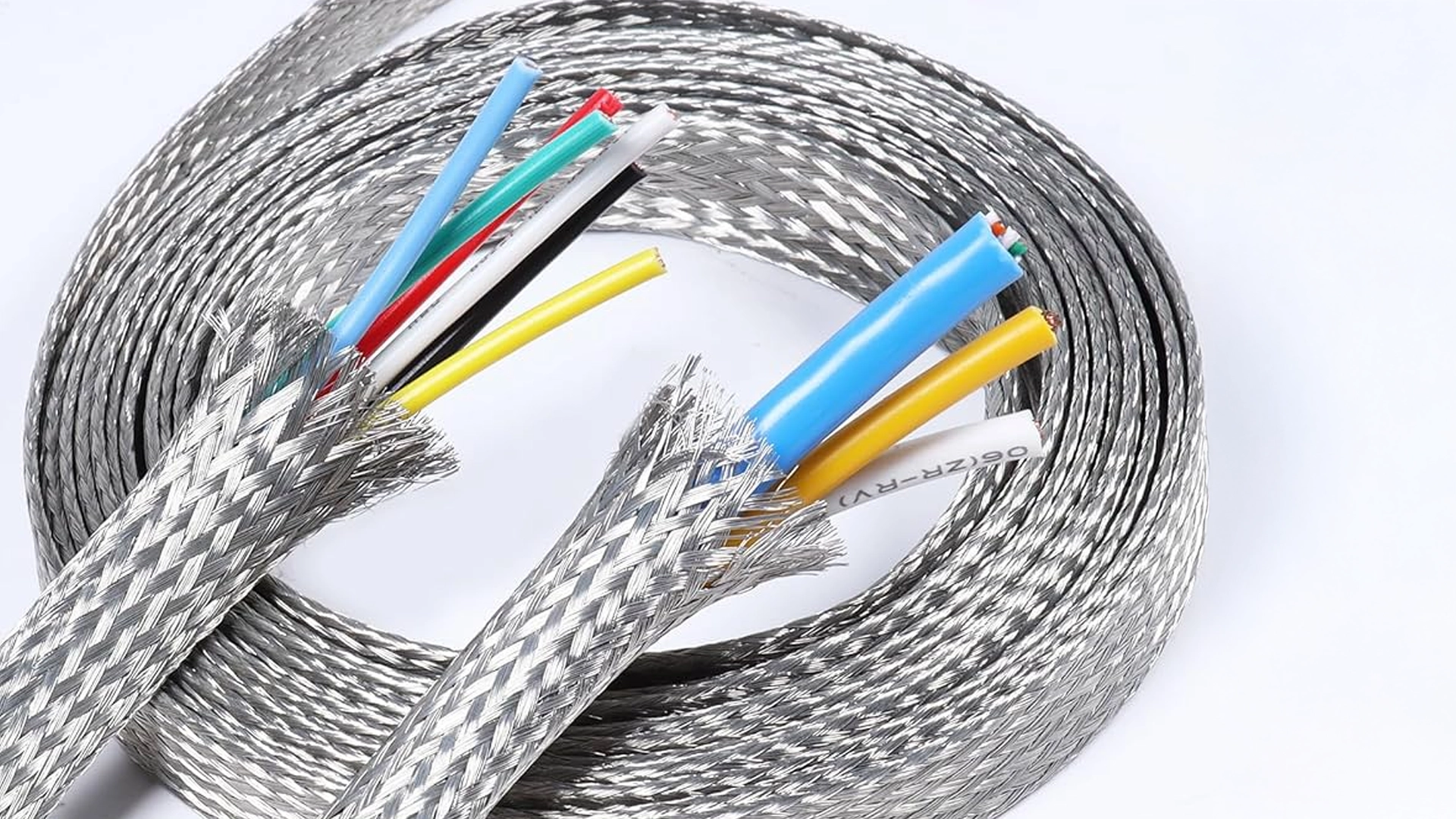
A conductor braids cable bends with movement instead of resisting it. The braided strands share stress evenly, which helps maintain stable electrical contact over time. Instead of fighting motion, the conductor adapts to it.
Why Flexible Conductor Design Is Becoming Essential
Industrial systems today operate very differently from how they did in the past.
Equipment runs longer hours with fewer shutdowns. Automation has increased movement within panels and machinery. Renewable energy installations face constant environmental stress. Electrical standards now focus not just on conductor size but on long-term connection reliability.
These changes have shifted how engineers and buyers evaluate cables. The focus has moved from initial cost to lifecycle performance.
Flexible conductor braids cable designs support this shift. They maintain low resistance paths even when exposed to vibration, thermal expansion, and repeated bending. As dependable wire solutions, they help reduce inspection frequency and extend system life.
In critical applications, reliability is not optional. It is expected.
Common Types of Conductor Braids Used in Industry
Different applications demand different braid constructions. Understanding these options helps you select the right wire solutions for your environment.
Flat Copper Braids
Flat copper braids are made by weaving many thin copper strands into a flat and flexible shape.
This design allows them to bend easily while still carrying high electrical current. The flat shape also creates more surface contact, which helps make grounding connections stronger and more effective.
These braids are widely used for bonding and grounding in electrical panels, transformers, and switchgear. In areas with vibration or movement, flat copper braids help keep electrical connections stable over time.
As a conductor braids cable solution, they are straightforward, dependable, and trusted across a wide range of industrial applications.
Round Braided Conductors
Round braided conductors are made by weaving copper strands into a cylindrical shape.
Because of this shape, they are easy to route through narrow spaces and tight cable paths. They bend smoothly in all directions, which makes them ideal for compact equipment and enclosed assemblies.
These conductors are commonly used as flexible jumpers, motor connections, and bonding links inside machines. When space is limited, round braids provide practical wire solutions without losing flexibility or performance.
Tinned Copper Braids
Tinned copper braids are copper braids coated with a thin layer of tin.
The tin layer improves resistance to corrosion and oxidation. This makes them suitable for outdoor installations, humid environments, and areas exposed to chemicals.
Renewable energy systems, substations, and coastal installations frequently use tinned conductor braids and cable designs. The added protection helps ensure long service life with minimal maintenance.
Insulated Braided Conductors
Insulated braided conductors combine flexibility with an added protective layer.
The insulation protects against accidental contact, abrasion, and environmental exposure. These braids are used where safety and separation are required alongside flexibility.
Common applications include control panels, electrical enclosures, and industrial equipment where conductors are routed near moving parts. As insulated wire solutions, they support both safety and performance.
Application-Based Selection Guide
Choosing the right conductor braid depends on where it will be used and what conditions it will face.
In power plants and substations, electrical connections must handle vibration and sudden fault currents. Flat or tinned conductor braids cable types are commonly used because they stay stable and reliable.
Renewable energy systems like solar and wind face heat changes, moisture, and outdoor weather. Corrosion-resistant braided wire solutions help these systems work smoothly for a long time.
Heavy industrial machines move constantly during operation. They need conductors that can bend again and again without breaking. Round braids and insulated braids work well in these situations.
Transport systems such as railways and metro lines also experience regular movement and vibration. Flexible grounding with braided conductors helps prevent loose connections.
Automotive and battery systems often have limited space and moving parts. Braided conductors fit easily and handle changing loads.
Choosing the right braid helps keep electrical connections stable and reduces unexpected downtime.
Installation Tips and Common Errors
Even high-quality conductor braid cables can fail if they are not installed the right way.
Always choose the correct size based on how much current the braid needs to carry. A braid that is too small creates extra resistance, which leads to heat buildup.
Avoid making sharp bends near the connection points. Smooth and gentle curves help the braid stay flexible and prevent damage over time.
Make sure the grounding surface is clean and free from dirt or rust. Good metal-to-metal contact is important for proper electrical flow.
Do not tighten connectors more than needed. Too much pressure can flatten the braid and reduce its ability to move and absorb vibration.
For outdoor or humid areas, use braids with corrosion-resistant finishes to prevent early wear.
By following these simple steps, braided wire solutions continue to perform reliably and last longer.
Choosing the Right Conductor Braid for Your Application
Conductor braids are not a niche product.
They are a practical response to how modern electrical systems operate.
Flexible conductor braids cable designs protect connections from movement, heat, and vibration. As dependable wire solutions, they support safety, uptime, and long-term performance.
At Balaji Cables and Wires, we manufacture industry-ready braided conductors engineered for real operating conditions.
Connect with us to select the right solution for your application and build electrical systems that stay reliable over time.
Frequently Asked Questions
Are conductor braids better than solid conductors?
Yes. Conductor braids work better in places where there is vibration, movement, or temperature change because they can bend without cracking.
Do braided conductors reduce maintenance work?
Yes. Since braided conductors keep connections stable for longer, they reduce the need for frequent checks and repairs.
Are conductor braids suitable for grounding?
Yes. Conductor braids cable designs are commonly used for grounding and bonding because they provide reliable electrical paths.
Can braided conductors carry high current?
Yes. When the correct size is selected, braided conductors can safely carry high electrical current.
Are braided conductors accepted under electrical standards?
Yes, when designed and installed correctly, they meet modern reliability expectations.