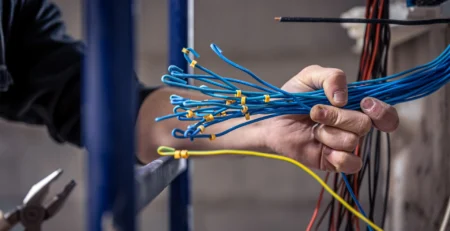
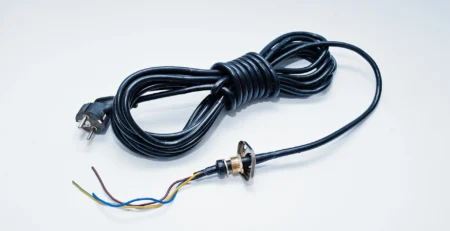
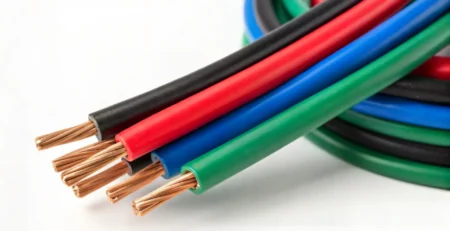
High Temperature Wire Manufacture Process, Materials & Applications
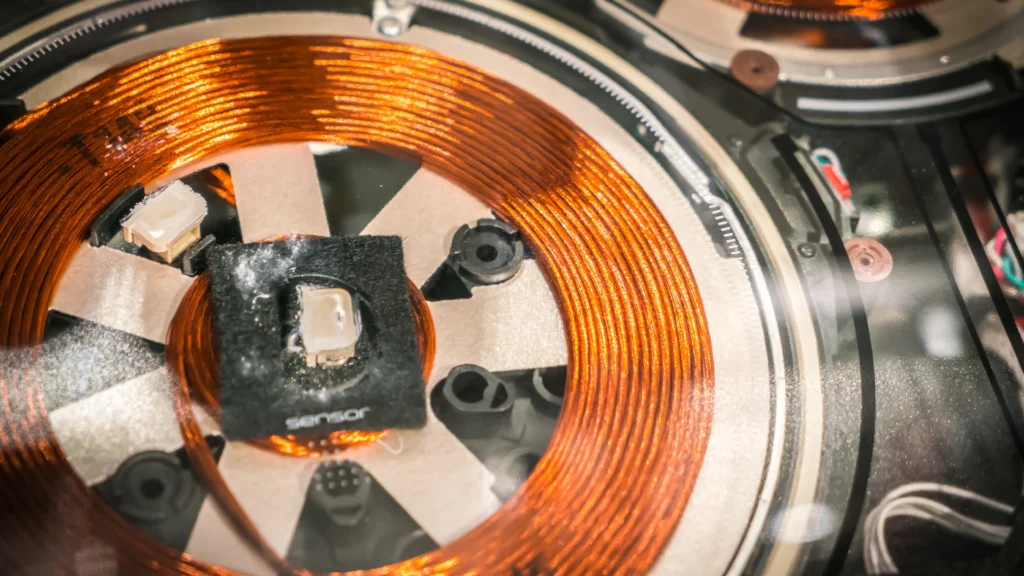
Industrial environments are becoming hotter, faster, and more demanding than they have ever been before. From EV battery systems and heavy machinery to furnaces and industrial automation, electrical wiring now operates under constant thermal stress. In these conditions, ordinary cables often fail much earlier than expected.
That is exactly why high temperature wire manufacturing has become an essential and most crucial part of modern industrial infrastructure. The quality of insulation, conductor materials, and manufacturing precision directly affects electrical safety, equipment performance, and long term reliability.
If you are selecting wiring solutions for high heat applications, understanding how these wires are made can help you make smarter and safer decisions. So, what actually goes into manufacturing a reliable high temperature cable that can survive extreme operating conditions?
Why Standard Wires Fail in High Heat Environments
Many industries still underestimate how quickly heat can damage electrical systems. A wire may look perfectly fine from the outside, but internally, excessive heat gradually weakens insulation and affects conductivity.
In environments with continuous exposure to high temperatures, standard cables may become brittle or crack under pressure, and, in short, they lose their strength. This increases the risk of many accidents like short circuits, voltage fluctuations, equipment downtime, and even fire hazards over time.
This issue is especially common in industries such as:
- Furnace and oven manufacturing
- Automotive and EV systems
- Power generation plants
- Industrial machinery
- Aerospace systems
- Heavy manufacturing facilities
As industrial systems continue to operate at higher loads, the need for dependable heat resistant wire and advanced industrial high temperature wires is growing rapidly.
Why High Temperature Wiring Is Becoming More Important
Modern industries are evolving at a pace we never imagined. Equipment is becoming more and more compact, power intensive, and thermally demanding. At the same time, businesses are also focusing on operational safety and reduced maintenance costs.
According to a report published by the International Energy Agency, global EV sales crossed 17 million units in 2024. This rapid growth has increased demand for advanced thermal resistant wiring systems in electric vehicles and large battery operated applications significantly.
Similarly, industrial automation and renewable energy infrastructure are also driving demand for reliable high temperature cable systems that can handle continuous thermal stress.
Another important factor is safety compliance. Many industries now require wiring systems that can withstand high temperatures without losing electrical performance. This has increased the use of advanced insulation materials for wires, including PTFE, silicone rubber, and fibreglass insulation.
As industries push for higher efficiency and safer operations, experienced high temperature wire manufacturers are focusing more on durable materials and precision manufacturing methods.
Understanding High Temperature Wire Manufacture
Not every wire can perform under extreme temperatures. The difference lies in both the materials used and the manufacturing process itself.
A properly designed high temperature wire is built to withstand elevated temperatures while maintaining electrical stability, insulation strength, and mechanical durability. These wires are specially engineered for applications where ordinary cables would fail much sooner.
So, how high temperature wire is manufactured? You must be thinking about it, right?
The process usually includes:
- Selecting a conductor
- Wire drawing and stranding
- Insulation coating
- Thermal curing
- Quality testing and certification
Each stage plays a critical role in ensuring long term performance.
The conductor must deliver stable conductivity under heat. The insulation must resist cracking, melting, moisture, and chemical exposure. Even the curing process affects flexibility and durability.
This is why the expertise of reliable high temperature wire suppliers matters so much in industrial applications.
Materials Used in High Temperature Wires
The success of any high temperature wire manufacturing process largely depends on the quality of materials selected.
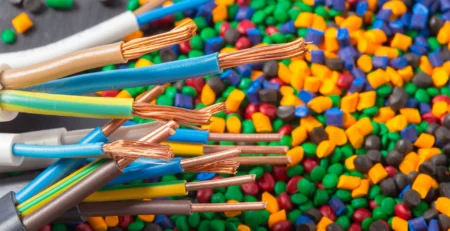
Copper conductors for reliable conductivity
Copper remains one of the most widely used conductor materials because of its excellent properties such as great electrical conductivity, flexible nature, and natural corrosion resistance. In industrial applications where stable current flow is critical and can’t be compromised. For these types of applications, copper continues to deliver reliable performance, even under load and pressure.
PTFE insulation for extreme thermal resistance
One of the most trusted materials in high temperature wire manufacture is PTFE insulation. According to DuPont technical data and ASTM references, PTFE insulated cables can typically withstand continuous operating temperatures up to 260°C. And that is a very great number for heavy duty industrial needs
This makes PTFE insulated high temperature wire ideal for aerospace systems, industrial automation, automotive wiring, and heavy machinery applications.
PTFE also offers strong chemical resistance, which is important in harsh industrial environments.
Silicone rubber wire for flexibility
In applications where flexibility matters alongside heat resistance, silicone rubber wire is commonly used.
Silicone insulated wires can generally operate between 180°C and 200°C depending on specifications and standards. These wires are highly flexible and resistant to many harsh conditions like moisture, vibration, and environmental stress.
That is why they are widely used in automotive systems, appliances, and industrial equipment.
Fibreglass insulated wire for extreme conditions.
Some environments demand even higher thermal endurance. This is where fiberglass insulated wire becomes important.
These wires are commonly used as heat resistant wire for furnaces and ovens because they can tolerate extremely high temperatures when combined with suitable coatings.
Industries such as metal processing, heating systems, and industrial furnaces rely heavily on fibreglass insulation for thermal durability.
The High Temperature Wire Manufacturing Process
The manufacturing process itself determines how effectively a wire performs under stress and heavy load. Even high quality materials can fail if production standards are inconsistent.
Raw material inspection
Everything starts with material verification. Quality parameters like copper purity, insulation quality, and dimensional accuracy are checked carefully even before production begins, because these standards cannot be compromised at any cost, because low quality material can lead to major failure.
This step ensures consistent electrical performance and compliance with industrial standards.
Wire drawing and conductor formation
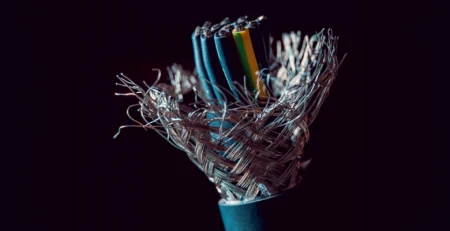
Copper rods are drawn into thinner diameters because of copper’s ductile nature and then stranded together depending on the application requirement and the conditions they are designed for. Stranding improves flexibility and mechanical strength, especially for industrial high temperature wires used in dynamic environments.
Insulation extrusion and coating
Once the conductor is ready, insulation materials are applied using advanced extrusion processes.
The insulation thickness must remain uniform because uneven coating can reduce thermal resistance and electrical safety.
Thermal curing and finishing
After insulation, the wires go through heat curing processes that improve flexibility, adhesion, and durability.
This stage is especially important for silicone and fluoropolymer insulated cables.
Testing and quality assurance
Every reliable electrical wire manufacturing process includes rigorous testing procedures.
These tests often include:
- Thermal resistance testing
- Voltage testing
- Flame resistance checks
- Mechanical stress testing
- Insulation integrity verification
According to the National Fire Protection Association, overheating and insulation failure remain among the leading causes of industrial electrical fires. This highlights why proper testing is so important.
Types of High Temperature Wires and Their Applications
Different industries require different thermal performance levels. Choosing the right wire depends on both temperature exposure and operational conditions.
Heat resistant electrical wire for machinery
Industrial equipment often operates continuously under heat and vibration. Reliable heat resistant electrical wire helps maintain safe and stable performance in manufacturing environments.
High temperature cable for EV systems
Electric vehicles generate substantial heat around battery systems and power electronics. This makes advanced high temperature cable systems essential for safety and efficiency.
Heat resistant wire for furnaces and ovens
Industrial heating systems expose cables to continuous extreme temperatures. Specialised heat resistant wire for furnaces and ovens is designed specifically for these demanding conditions.
Industrial high temperature wires for energy systems
Power plants, solar installations, and renewable energy infrastructure all require durable thermal resistance cables that can perform consistently over long operating cycles.
Specialised industrial wiring solutions
Applications in aerospace, defence, marine, and chemical processing often require customised industrial wiring solutions with enhanced thermal and chemical resistance.
How Industries Choose the Right Heat Resistant Electrical Wire
Choosing the wrong cable can create serious operational problems later. That is why industries carefully evaluate several factors before selecting wiring systems.
The first consideration is temperature rating. Buyers must understand both continuous operating temperature and peak heat exposure conditions.
Next comes insulation selection. Different environments require different materials. PTFE works well for chemical resistance, silicone offers flexibility, while fibreglass handles extreme heat applications.
Installation conditions also matter. Tight spaces, vibration, outdoor exposure, and moisture all affect cable performance.
Finally, certifications and testing standards should never be ignored. Reliable high temperature wire manufacturers follow strict testing procedures to ensure long term safety and reliability.
Common Mistakes Buyers Should Avoid
One common mistake is selecting wires based only on price. Lower quality cables may reduce initial costs, but they often increase maintenance expenses and replacement frequency later.
Another issue is ignoring environmental conditions. Heat is not the only challenge. Moisture, chemicals, abrasion, and vibration also affect cable lifespan.
Using incorrect insulation materials is another frequent problem. A cable suitable for moderate industrial heat may fail completely inside a furnace application.
Lastly, many buyers overlook supplier expertise. Experienced high temp wire suppliers understand application requirements and can recommend the right cable solutions for specific operating environments.
Best Practices for Industrial High Temperature Wiring
To improve reliability and safety, industries should follow a few important practices.
- Select wires according to actual operating conditions.
- Verify thermal and voltage ratings carefully.
- Use application specific industrial wiring solutions.
- Schedule regular inspection and maintenance.
- Work with experienced and certified manufacturers
These small decisions often make a significant difference in operational performance and long term equipment safety.
Let us conclude
As industries continue to operate under higher thermal demands, the importance of reliable high temperature wire manufacture continues to grow. From conductor quality and insulation materials to testing and precision engineering, every detail affects performance, safety, and durability.
Modern industrial systems need dependable heat resistant wire, advanced high temperature cable, and durable thermal resistance cables that can perform consistently in challenging environments.
If you are evaluating reliable wiring solutions for demanding industrial applications, choosing experienced manufacturers and the right materials can help improve both operational safety and long term performance.
Questions you may ask
What is high temperature wire manufacturing?
High temperature wire manufacture is the process of producing specialised wires that can safely operate under elevated temperatures using heat resistant conductors and insulation materials.
Why are insulation materials important in high temperature wires?
Insulation materials protect wires from heat damage, electrical leakage, chemical exposure, and mechanical stress in demanding environments.
How high temperature wire is manufactured? Add your title here
The process includes conductor preparation, wire drawing, insulation application, heat curing, and multiple quality testing procedures.
What materials are used in high temperature wires?
Common materials used in high temperature wires include copper conductors, PTFE insulation, silicone rubber, fibreglass insulation, and fluoropolymer materials.
Why is PTFE insulated high temperature wire widely used?
PTFE insulated high temperature wire offers excellent heat resistance, chemical durability, and stable electrical performance in harsh industrial environments.
How do industries select the right high temperature cable?
Industries evaluate temperature ratings, insulation type, flexibility, environmental conditions, and safety certifications before selecting a high temperature cable.