How to Choose the Right Automotive Wire Manufacturer in India
The reel was three weeks late, and Karthik Subramanian had run out of ways to explain it. As sourcing head at a Coimbatore company that builds starter motors and alternators for commercial vehicles he relied on imported wire for every lead his line terminated. His supervisor wanted one answer. Could the alternator build start without it?
That week, Karthik decided to bring the supply home. Knowing which Indian maker to trust took a different set of questions, and price was not the one that settled it.
When the Wire Supply Sits on a Ship, the Line Waits
Karthik’s company had bought from one overseas source for six years, the wire itself was fine but the supply chain around it was not. Each order spent weeks in transit, customs added unpredictable days and the landed cost moved every time the rupee did.
Finished motor housings sat on racks waiting for their leads, and the OEM customer called twice in one week about dispatch dates.
He was not the only one rethinking imports. In the first half of FY2025-26, India’s auto component imports grew faster than exports, according to ACMA. So he began talking to automotive wire suppliers across India. First, he needed to know what a good one actually does.
What Does an Automotive Wire Manufacturer Do?
An automotive wire manufacturer turns copper rod into wire that can survive inside a vehicle. It draws copper into fine strands, bunches them into a conductor, extrudes insulation, tests every lot and winds the wire onto labelled reels.
Traceability mattered most to Karthik, because an OEM audit can ask him to trace a single lead back to its wire lot. A maker with its own records can answer that. A trader often can not.
Standards are shifting too, from ISO 6722 to the newer ISO 19642 series, and his export customer used both on different parts. India has no shortage of automotive wire manufacturing companies, so he needed a way to narrow the list.
How to Choose the Right Automotive Wire Manufacturer in India
Karthik started with nine names from trade references and cut the list in four steps. Any buyer looking for an automotive wire manufacturer in India can follow the same order.
Find Out What the Factory Makes Itself
Some companies make and test wire in their own plant, while others relabel wire bought elsewhere. Ask which processes run in house, and request a look at the extrusion line. One of Karthik’s bidders admitted its automotive range came from an outside mill, and it dropped off the list.
Send One Specification to Every Shortlisted Maker
Share the drawing, conductor sizes, circuit temperatures and annual volumes, the best replies Karthik received came back with questions about heat near the starter solenoid, a quote with no questions told him the bidder had not read the drawing closely.
Ask How They Hold Quality From Lot to Lot
A sample shows what a factory can do on a good day, while bulk supply shows its process. Ask which tests run on every lot and whether the certificate number matches the reel label, a capable automotive cable manufacturer explains this in detail without being chased.
Run a Pilot Lot on Your Own Line
Datasheets can not tell you how wire behaves on your machines, Karthik ran one full reel through his winding and lead termination stations before placing a volume order and that trial decided the contract. First he checked that each bidder made the types his motors needed.
What Types of Wires Are Used in the Automotive Industry?
Each automotive wire family solves a different problem.
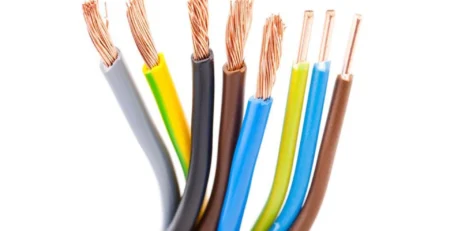
- Single core PVC wire for lighting, switches and general circuits
- Thin wall wire for tight, weight sensitive routes
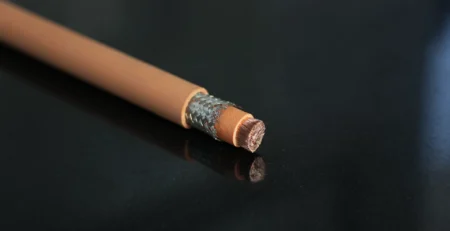
- Cross linked high temperature wire for circuits near engines, exhausts and starters
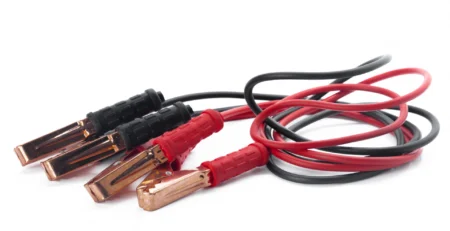
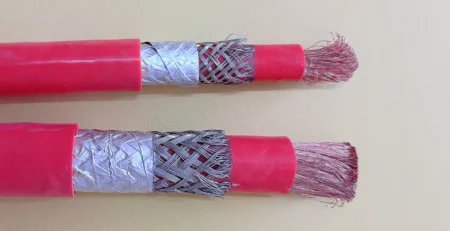
- Battery and starter cables for high current paths
- Multicore and shielded cables for sensor and signal circuits
Karthik’s starter leads ran close to hot solenoid housings, so they needed cross linked insulation in a suitable temperature class. His alternator output and battery links needed flexible, fine stranded conductors for high current. One maker producing both meant one approval. That is what practical automotive wiring solutions look like for a component maker. Still, the right type only counts if it meets the right standard.
Which Quality Standards Matter for Automotive Wires?
The ISO 19642 series now covers road vehicle cables, and ISO advises customers and suppliers to use it for new cable projects. ISO 6722 still appears on many existing drawings, so suppliers often work with both. SAE J1128 is the usual reference for vehicles built to North American practice and IS 8130 sets conductor classes and maximum resistance values.
Karthik put the same question to every automotive wire manufacturer on his list, which standard do you test to and what happens when my drawing still says ISO 6722? two makers explained how they map the older requirements to the new series. A third just said “automotive grade” which ended the conversation.
Standards say what to test. Construction decides how well the wire passes year after year.
What Factors Affect Automotive Wire Quality and Performance?
Performance depends on details a quotation rarely shows.
- Annealed copper conductors with the right strand class and resistance within the standard’s limit
- Insulation in the right temperature class, with even wall thickness all around
- Tested resistance to oil, fuel and abrasion
- Spark testing during extrusion to catch pinholes and thin spots
- Reel labels whose lot numbers match the test certificates
During Karthik’s pilot run, one bidder’s reel showed insulation thick on one side and thin on the other, catches like this are why buyers should compare automotive wire suppliers on process not promises.
Why Choose a Reliable Automotive Wire Supplier?
Karthik dodged several mistakes worth remembering when you compare automotive cable suppliers in India.
- Buying on price per metre. One rejected lot can stop a line.
- Accepting a datasheet without lot certificates. Typical values say little about your reel.
- Skipping the pilot lot. Your own line is the truest test.
- Never asking who makes the wire. A trader may not trace a lot to its source.
- Leaving labelling undefined. Agree on reel length, lot marking and certificate format first.
- Ignoring the standards shift. Ask how the supplier handles drawings moving to ISO 19642.
Reliable suppliers cut the work a buyer has to do after approval. Isn’t that why you localise?
The Local Reel That Kept the Line Moving
Karthik’s alternator line now runs on wire from an Indian maker, approved after a pilot lot and backed by matching lot certificates. Deliveries arrive in days, not weeks. The same questions, asked in the same order work for any buyer choosing an automotive wire manufacturer.
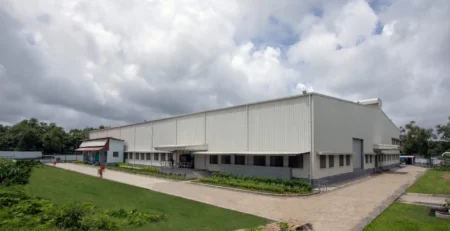
At Balaji Wires and Cables, we manufacture automotive wires and cables from our base in Navi Mumbai and our facility in Palsana. If you are planning to localise supply or add a second source, share your drawing and circuit details with our team. We will suggest suitable constructions and samples so you can compare automotive wire suppliers on evidence.
FAQs
How do I choose an automotive wire manufacturer in India?
Choosing an automotive wire manufacturer in India starts with confirming that the company draws, insulates and tests the wire in its own plant. In house production makes quality and lot traceability easier to prove which matters when an OEM audit asks you to trace a part back to its wire. Shortlist a few makers send each one the same drawing and circuit details and compare how they respond, then run a pilot lot on your own line before ordering in volume.
What types of wires are used in the automotive industry?
The main types are single core PVC wire, thin wall wire, cross linked high temperature wire, battery and starter cables, and multicore shielded cables. Each one suits a different mix of heat, current, space and electrical noise, so no single wire works everywhere in a vehicle. A lighting circuit can run on PVC wire, while a starter lead near a hot solenoid needs cross linked insulation. Map your circuits first, then ask an automotive cable manufacturer to match a construction to each one.
What quality standards should automotive wires meet?
New automotive cable projects increasingly follow the ISO 19642 series, while many existing drawings still reference ISO 6722. SAE J1128 applies to vehicles built to North American practice and IS 8130 covers conductor classes and resistance. These standards set dimensions, test methods and limits, which gives buyers a fair way to compare suppliers. Ask each supplier which standard they test to, how they handle drawings that still cite ISO 6722 and whether their lot certificates match the reel labels.
What is the difference between automotive wire and automotive cable?
In everyday use, a wire is a single insulated conductor, while a cable usually groups several insulated cores under a common outer sheath. The standards blur this line, since ISO 6722 calls single core products “cables” so suppliers and drawings often use the two words loosely. That can confuse a purchase order, especially for battery leads and multicore runs. Share your circuit details with your automotive cable manufacturer and confirm the core count, sheath and conductor size in writing so both sides agree on the exact construction.