House Wiring Cables: Types, Sizes & Safety Standards Explained

House wiring is one of those decisions that stays hidden behind walls, ceilings, conduits, and switchboards for years. Once the wiring is installed, most homeowners only notice it when something goes wrong. Lights flicker, appliances trip, switches heat up, or a circuit starts giving repeated trouble.
That is why choosing the right cable at the start matters. For homeowners, builders, contractors, electricians, and suppliers, understanding house wiring cable types is not about becoming a technical expert. It is about making safer, smarter, and more reliable choices.
In this guide, we explain the main house wiring cable types, common cable sizes, safety standards, and buying checks in a simple way.
Why House Wiring Cable Selection Matters
House wiring is not only about connecting switches, lights, fans, and appliances. It is about creating an electrical system that can handle daily use safely. Every room has different needs. A bedroom may need basic lighting and socket points, while a kitchen may need wiring for heavier appliances. Air conditioners, geysers, washing machines, pumps, and ovens may need stronger circuits.
This is where many buyers make a common mistake. They compare prices first and specifications later. But when wiring is placed inside walls, the quality of the cable, conductor, insulation, and size becomes more important than short term savings.
A reliable house wiring cable supplier or building wire supplier can help buyers choose the right cable for each application. For homes, apartments, bungalows, shops, and residential buildings, the aim should be simple. The wiring must support safe use, stable performance, and long service life.
When poor wiring choices create problems
Poor wiring decisions often show up slowly.
A homeowner may install new appliances, but the old or undersized wiring may not handle the load. An electrician may notice heating near sockets. MCBs may trip often. In some cases, lights may flicker when high load appliances turn on. These problems may look small in the beginning, but they often point to poor cable selection, weak insulation, incorrect sizing, or improper load planning.
For builders and contractors, the cost is not only repair. It also affects trust. If a buyer faces electrical trouble after possession, the quality of the wiring comes into question. For electricians and dealers, supplying the wrong material can affect long term customer confidence.
This is why understanding house wiring cable types matters. When the right cable is selected for the right use, it reduces avoidable maintenance and supports safer electrical performance.
Why cable quality and safety standards matter
Electrical safety begins with proper selection and installation. In India, standards play an important role in guiding cable quality and electrical practices.
IS 694 covers PVC insulated unsheathed and sheathed cables or cords with copper and aluminium conductors, including rigid and flexible types, for rated voltages up to and including 450/750 V AC. It also includes flame retardant and flame retardant low smoke halogen categories, which are relevant for safer building wiring choices.
The Central Electricity Authority Measures relating to Safety and Electric Supply Regulations, 2023 state that electric supply lines and apparatus should have sufficient rating for power, insulation, estimated fault current, and mechanical strength. They should also be constructed, installed, protected, worked, and maintained in a way that supports safety for people, animals, and property.
For buyers, this means one thing. Do not treat house wiring cables as a generic purchase. Choose a PVC insulated wire supplier, FR house wire supplier, or FRLS house wiring cable supplier who can explain specifications clearly and provide quality focused products.
Main house wiring cable types buyers should know
Different wiring needs call for different cable types. Here are the main options buyers should understand before making a purchase.
PVC insulated house wires
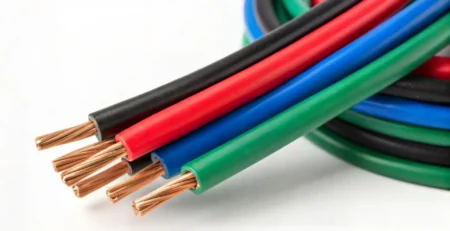
PVC insulated wires are commonly used for residential power and lighting applications. They offer insulation protection and are widely used in homes, apartments, shops, and general building wiring.
When buying PVC insulated wires, check the conductor material, insulation finish, voltage rating, and brand markings. A dependable PVC insulated wire supplier should provide clear product details and application guidance.
FR house wiring cables
FR stands for flame retardant. These cables are designed to resist the spread of flame better than ordinary insulation. In residential and commercial spaces, this adds an important layer of safety.
A trusted FR house wire supplier can help builders, electricians, and homeowners select suitable FR cables for lighting, sockets, and general wiring needs.
FRLS house wiring cables
FRLS stands for flame retardant low smoke. These cables are designed to reduce smoke generation during fire conditions compared to regular insulation. This makes them useful in buildings where safer evacuation and better visibility during emergencies are important.
For apartments, offices, commercial buildings, and modern residential projects, FRLS house wiring cable options are worth considering.
Copper house wiring cables
Copper is widely preferred in house wiring because it offers good conductivity, flexibility, and reliable performance. A good copper house wiring cable should have consistent conductor quality, proper insulation, and suitable size for the load.
For buyers, the important point is not only choosing copper, but choosing copper wires from a trusted home wiring cable manufacturer or electrical cable supplier near me with clear specifications.
Flexible wires for fixtures and appliances
Flexible wires are used where bending and movement are required, such as light fixtures, small appliances, panels, and internal equipment connections. These should be selected based on the load and application.
A qualified electrician should guide the final choice, especially when flexible wires are used in areas that may face heat, movement, or continuous operation.
How to choose the right cable size
Cable size should match the electrical load. If the cable is too small for the load, it may heat up or perform poorly. If it is properly selected, it supports safer and more stable use.
The right size depends on current load, circuit type, length of wire run, installation method, voltage rating, and safety margin. Lighting circuits, socket circuits, kitchen circuits, air conditioners, geysers, pumps, and distribution lines may all need different cable sizes.
This is why final sizing should always be done by a qualified electrician or electrical consultant. As a buyer, your role is to ask the right questions before purchasing. What is the application? What load will the cable carry? Is it for lighting, sockets, heavy appliances, or main supply? Is the cable suitable for the installation environment?
For builders and contractors looking for an electrical wire supplier in Gujarat, wire cable supplier in Daman, or house wiring cable in Daman, these questions help avoid wrong purchases.
Safety checks before buying house wiring cables
Before buying residential wires, check the following points carefully.
Check the cable markings and specifications. The cable should clearly mention important details such as size, voltage grade, and type.
Check the conductor material. For copper house wiring cable, make sure the conductor quality is consistent and suitable for residential wiring.
Check the insulation type. PVC, FR, and FRLS options serve different safety needs.
Check the supplier credibility. Buy from a reliable building wire manufacturer in Gujarat, house wiring cable supplier, or electrical cable dealer near me who can explain the product.
Check application suitability. Not every wire is suitable for every use. Lighting, sockets, appliances, and high load circuits need proper selection.
Check the packing and storage conditions. Good packaging protects cables during transport and storage.
These simple checks can prevent many future electrical issues.
Mistakes to avoid while selecting house wiring cables
The first mistake is choosing only by price. Low cost wires may look attractive, but poor quality can increase maintenance and safety risks.
The second mistake is using undersized wires for high load appliances. Geysers, air conditioners, ovens, and pumps need proper load based selection.
The third mistake is ignoring the insulation grade. FR and FRLS cables may be better suited where fire safety is a priority.
The fourth mistake is buying from suppliers who cannot explain specifications. A reliable building wire supplier should be able to guide buyers with clear product information.
The fifth mistake is skipping professional installation guidance. Even the right cable may fail to perform well if the installation is poor.
Choose safer wires for stronger homes
House wiring is a long term investment in safety and performance. The right cable type, correct size, good conductor quality, suitable insulation, and standard based selection can make a clear difference in everyday use.
For homeowners, builders, electricians, and contractors, the best approach is to choose wiring products from a supplier who understands both quality and application. When the cable is right, the system works better, appliances stay safer, and maintenance concerns reduce over time.
Balaji Cables and Wires provides quality focused building wires, PVC insulated wires, copper wires, and residential wiring cable solutions for homes, contractors, electrical dealers, and project buyers. For guidance on house wiring cable types, bulk requirements, or dependable building wire supply, contact Balaji Cables and Wires today.
FAQs
What are the main house wiring cable types?
The main house wiring cable types include PVC insulated wires, FR house wires, FRLS house wiring cables, copper house wiring cables, and flexible wires for fixtures and appliances.
Why are FR and FRLS house wiring cables important?
FR house wire supplier and FRLS house wiring cable options support better fire safety by reducing flame spread, and FRLS cables also help reduce smoke generation during fire conditions.
How do I choose the right size for house wiring cables?
Choose cable size based on load, circuit type, cable length, and installation method. Always consult a qualified electrician before final selection.
What should I check before buying house wiring cables?
Check conductor quality, insulation type, voltage rating, cable markings, product specifications, and supplier credibility before buying residential wiring cables.
Why choose Balaji Cables and Wires for house wiring cables?
Balaji Cables and Wires offers quality focused building wires, PVC insulated wires, copper wires, and house wiring cable types for residential, commercial, and project needs.