Copper Structured Cabling That Powers Reliable and Scalable Networks

Network issues rarely begin with servers or software. Most of the time, the root cause sits quietly behind walls, ceilings, and panels. Cabling.
Across factories, offices, and commercial buildings, unstable networks often point to outdated or poorly planned cabling systems. As data loads grow and systems become more connected, Copper Structured Cabling continues to play a critical role in keeping operations stable and predictable.
This blog walks you through the types, benefits, and installation best practices that help copper-based networks perform reliably for years.
When Cabling Problems Start Showing Up in Daily Operations
Have you noticed slow data transfers even after upgrading hardware? Or frequent disconnections that seem random and hard to trace. These problems often share a common source. Cabling that was never designed for current data demands.
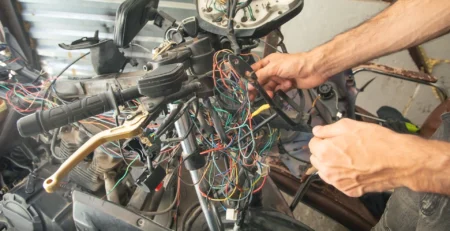
Poor quality copper wire can lead to signal loss, interference, and inconsistent performance. Unplanned layouts make troubleshooting slow, difficult and expensive. Over time, teams spend more effort fixing symptoms instead of addressing the foundation.
In industrial environments, the impact is even more visible. Downtime disrupts production schedules and communication gaps affect safety and coordination. These are not software failures. They are infrastructure gaps.
This is where structured cabling changes the story.
Why Copper Structured Cabling Still Matters Today
With fiber gaining attention, some question whether copper still has a place. The reality is clear. Copper Structured Cabling remains the backbone for most commercial and industrial networks.
According to structured cabling guidelines published by BICSI, a properly designed system can support network needs for 10 to 15 years when installed correctly. That longevity matters when infrastructure investments need to last.
Copper-based structured cabling also offers flexibility. It supports voice, data, and power over Ethernet within the same system. Compatibility with existing equipment reduces upgrade complexity.
Industry standards such as TIA 568 continue to define performance benchmarks for copper cable systems worldwide. These standards exist because copper continues to deliver dependable results across applications.
Understanding How Copper Structured Cabling Works
What Copper Structured Cabling Means in Practice
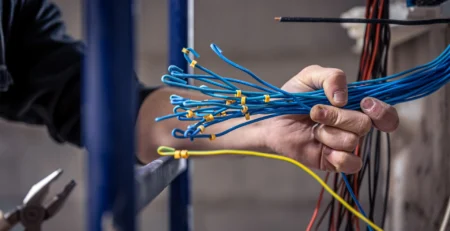
At its core, Copper Structured Cabling is an organized approach to network wiring. Instead of random point-to-point connections, cables follow a planned layout. Horizontal cabling, backbone cabling, patch panels, and outlets work together as one system.
Each structured cable has a defined role. This organization improves performance and makes the network easier to manage as it grows.
How Structure Improves Network Stability
So why does structure matter so much? Simply because data needs order to move reliably. Clear cable pathways reduce interference. Proper labeling reduces human error, and standardised routes make upgrades much easier to plan.
Cisco infrastructure studies show that up to 70% of network issues originate at the physical layer. That includes cabling. A structured approach directly addresses this risk.
Where Copper Structured Cabling Is Commonly Used
You will find copper structured networks in office buildings, manufacturing plants, data rooms, commercial complexes, and institutional facilities. Anywhere reliability matters, structure matters.
Common Types of Copper Cables Used in Structured Networks
Twisted Pair Copper Cables
Twisted pair remains the most widely used copper cable in structured networks. Pairs of insulated wires twist around each other to reduce electromagnetic interference.
This design supports stable data transmission across typical building distances. It remains a cost effective and reliable choice for most applications.
Shielded and Unshielded Copper Cables
Unshielded twisted pair works well in stable, low-interference environments. Shielded copper wire becomes important in areas with electrical noise, machinery, or power equipment.
The right choice depends on the environment where the cable is installed. Shielding helps maintain signal quality and consistent performance when interference risks increase.
Category-Based Copper Structured Cabling
Category ratings define performance. Cat 5e supports basic networking needs. Cat 6 and Cat 6A handle higher data rates.
IEEE standards confirm that Cat 6 and Cat 6A support speeds up to 10 Gbps over specified distances. Choosing the right category ensures the network can handle current and near future demand.
Practical Benefits of Choosing Copper Structured Cabling
Consistent Performance That Teams Can Rely On
When properly designed, Copper Structured Cabling delivers stable and predictable network performance. Data moves smoothly, voice and video stay clear and teams spend far less time troubleshooting day-to-day issues.
Cost Efficiency Without Cutting Corners
Copper systems are usually more economical and affordable compared to full fiber installations. Copper material availability, easier termination and lower installation costs keep budgets under control while still delivering reliable network performance.
Flexibility for Growth and Change
Structured layouts make expansion easier. Adding new devices or relocating workstations becomes a planned activity rather than a disruption.
This flexibility is one reason structured cabling continues to dominate enterprise installations according to leading infrastructure manufacturers such as Panduit and Legrand.
Durability When Installed Correctly
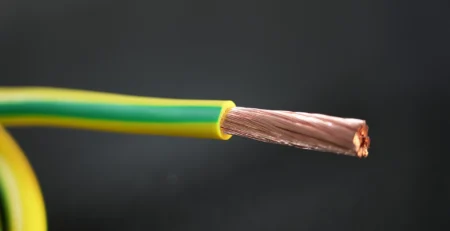
High quality copper wire offers strong mechanical durability. When routing, termination, and protection follow best practices, systems perform reliably for years.
Installation Practices That Protect Network Performance
Good materials alone do not guarantee good performance. Installation quality makes the difference.
Cables must be routed carefully within the recommended bend limits. Sharp and tight bends can damage the internal conductors and weaken signal performance. Keeping data cables away from power lines helps reduce interference. Hence, proper grounding is essential, especially for shielded cables.
Termination must follow manufacturer instructions and standard guidelines. Certified connectors and accurate pin alignment matter more than just completing the job during installation.
Post installation testing is essential. Testing verifies continuity, signal quality, and compliance with standards. Skipping this step invites future problems.
Well documented layouts help future teams understand the system. Clear labeling reduces downtime during maintenance or upgrades.
Common Planning and Installation Mistakes to Avoid
Choosing copper cable based only on price often leads to higher long term costs. Low quality materials degrade faster.
Ignoring environmental factors such as heat, moisture, or vibration shortens cable life. Failing to plan for future bandwidth limits scalability.
Improper grounding increases noise. Skipping testing hides issues until failures occur. Each shortcut adds risk.
Avoiding these mistakes keeps the system dependable and easier to manage.
Planning Today for Stable Networks Tomorrow
Reliable networks start with strong foundations. Copper Structured Cabling continues to offer stability, flexibility, and long term value when designed and installed correctly. The right copper wire, thoughtful planning, and disciplined installation practices protect performance well into the future.
If you are planning a new facility or upgrading existing infrastructure, the choices you make today shape network reliability tomorrow.
👉 Connect with Balaji Cables and Wires to discuss copper structured cabling solutions built for long-term performance and industry-ready reliability.
Frequently Asked Questions from OEM Buyers
Is copper structured cabling suitable for high speed networks?
Yes. Modern Copper Structured Cabling supports high data rates when the correct category and installation practices are used.
How long does a copper structured cabling system last?
Industry guidance from BICSI indicates a lifespan of 10 to 15 years with proper installation and maintenance.
Can structured cabling support future upgrades?
Yes. A structured layout allows upgrades without rewiring the entire system.
When should shielded copper cable be used?
Shielded copper cable is recommended in environments with high electrical interference.
Does structured cabling reduce maintenance costs?
Yes. Organized systems simplify troubleshooting and reduce downtime.