6 Types of Appliance Wiring Materials and Their Applications
The performance, longevity, and safety of an appliance will depend not just on its design but also on the quality of its internal components; particularly the wiring. Behind every reliable appliance is a network of carefully chosen wiring materials, each selected to meet the specific demands of the device. Understanding the types of appliance wiring materials and their applications is critical for manufacturers aiming to ensure the durability and safety of their products.
Common Types of Appliance Wiring Materials
There’s no one-size-fits-all when it comes to Appliance Wiring Materials. Different appliances require different wiring, based on the electrical load, environmental conditions, and safety requirements. Let’s take a closer look at the most common wiring materials used in appliance manufacturing.
Copper Wiring — The Industry Standard for Electrical Performance
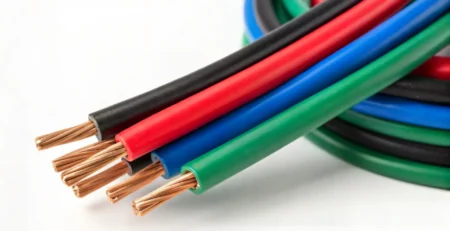
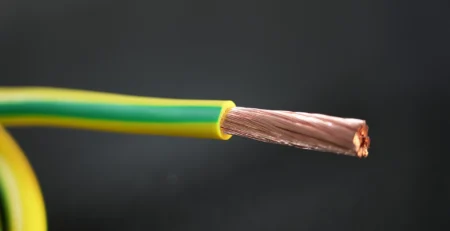
Copper is the most commonly used material for wiring due to its excellent conductivity. It transfers electrical current very efficiently, making it ideal for high-load appliances like refrigerators, motors, and air conditioners. Copper wiring is reliable, durable, and ensures long-term performance without degradation, even under heavy electrical loads.
Why Choose Copper?
- High conductivity: Copper offers low resistance, reducing energy loss and heat generation.
- Durability: Copper is resistant to corrosion. This property ensures the longevity of the appliance.
- Thermal stability: It can handle high operating temperatures without performance degradation.
Tinned Copper Wiring — Enhancing Corrosion Resistance
While copper is highly conductive, it can corrode over time when exposed to moisture. Tinned copper, a copper wire coated with a thin layer of tin, provides enhanced resistance to corrosion, making it ideal for water-prone appliances like dishwashers, washing machines, and kitchen appliances.
Why Choose Tinned Copper?
- Corrosion resistance: Ideal for humid and moisture-heavy environments.
- Maintains performance: Tinned copper ensures long-term reliability in appliances exposed to water and steam.
Aluminium Wiring — Cost-Effective and Lightweight, but Limited in Some Applications
Aluminium is a lightweight, cost-effective alternative to copper for low- to medium-load appliances. While it is a cheaper option, it has a lower conductivity compared to copper and is more prone to overheating if used in high-heat or high-load situations. Aluminium wiring is typically used in small appliances like toasters, lamps, or other low-power devices.
Why Choose Aluminium?
- Cost-efficient: A cheaper alternative to copper.
- Lightweight: Easier to handle during installation.
- Lower conductivity: Suitable for low-power appliances where high conductivity isn’t as critical.
PVC Insulated Wiring — Flexible and Versatile for General Use
Polyvinyl chloride (PVC) is a flexible, cost-effective material used to insulate wiring for a range of household appliances. It is suitable for low-voltage applications and appliances with moderate operating temperatures. PVC-insulated wires are commonly found in devices like blenders, lamps, and fans.
Why Choose PVC?
- Cost-effective: A budget-friendly option for general-purpose wiring.
- Flexible: Easy to handle and route within compact appliances.
- Moderate heat resistance: Suitable for devices that don’t reach extreme temperatures.
XLPE Insulated Wiring — High-Heat Tolerance for Heavy-Duty Applications
Cross-linked polyethylene (XLPE) insulation provides superior heat resistance and mechanical strength. This makes it perfect for heavy-duty appliances like ovens, air conditioners, and industrial heating elements. XLPE wiring can withstand higher temperatures and is ideal for applications that require high performance under stress.
Why Choose XLPE?
- Heat resistance: Can handle high operating temperatures without degrading.
- Durability: Provides long-lasting protection even under harsh conditions.
- High mechanical strength: Resistant to physical damage and wear.
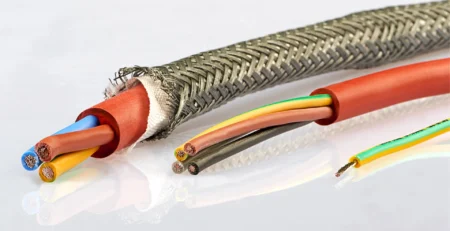
Silicone Insulated Wiring — Ideal for High-Temperature and High-Demand Environments
For appliances that operate at extreme temperatures, such as ovens, toasters, and industrial heating units, silicone insulation is the best choice. It offers excellent heat resistance and flexibility, ensuring that the wiring will not fail under high-temperature conditions.
Why Choose Silicone?
- Superior heat resistance: Can withstand temperatures up to 200°C.
- Flexibility: Stays flexible even at high temperatures, which makes it easy for installation in tight spaces.
- Longevity: Performs well over extended periods in high-stress environments.
Key Applications of Different Wiring Materials in Appliances
Different appliances have unique requirements that determine the type of appliance wiring materials needed. Certain wiring materials work best for specific appliance categories.
High-Load Appliances (Refrigerators, Air Conditioners, Motors)
High-power appliances such as refrigerators, air conditioners, and motors require wiring that can handle significant electrical loads without overheating or degrading over time. Copper wiring is the most common choice here due to its high conductivity and thermal stability. In cases where high temperatures are expected occasionally, XLPE insulation is used to prevent breakdowns.
Heating Appliances (Ovens, Irons, Toasters)
Heating appliances demand wiring materials that can withstand extreme temperatures. For these types of appliances, silicone-insulated wiring is ideal due to its high heat tolerance. PVC may be used in lower-heat applications, but for more demanding devices, silicone is used as it ensures reliability and safety.
Water-Contact Appliances (Washing Machines, Dishwashers)
For appliances exposed to water or moisture, such as washing machines and dishwashers, tinned copper wiring remains the go-to choice. The tin coating provides a protective barrier that makes the wiring highly resistant to corrosion and oxidation caused by moisture, water, and even saltwater exposure. This protective layer prevents the copper from forming copper oxide, which can weaken the wire and reduce conductivity over time. As a result, tinned copper wiring maintains its electrical conductivity and structural integrity much longer in wet or humid environments compared to bare copper wiring.
Compact and Low-Power Appliances (Blenders, Mixers, Vacuums)
For compact and low-power appliances such as blenders, mixers and vacuums, PVC-insulated wires are commonly used. These materials are more cost-effective and offer sufficient protection for appliances that do not generate excessive heat.
How Wiring Materials Affect Appliance Performance and Safety
Choosing the right wiring material goes beyond just meeting performance requirements. It also directly impacts safety, energy efficiency and appliance longevity.
The Role of Conductivity in Efficient Performance
High-quality appliance wiring materials are created to ensure that appliances operate efficiently, with minimal energy loss. Copper and aluminium wires ensure that electrical current flows smoothly without excessive resistance, reducing heat buildup and improving overall appliance performance.
The Impact of Insulation on Safety
Proper insulation is essential for preventing electrical faults, short circuits and fire hazards. Silicone and XLPE offer superior quality insulation for high-temperature and heavy-duty applications, thus reducing the risk of failures. Insulation also protects against electrical shocks and makes appliances safe to use.
Durability and Longevity of Appliances Based on Wiring Materials
The choice of wiring material affects the longevity of appliances. Copper and tinned copper provide durability, reducing the need for frequent replacements, while PVC offers enough protection for lower-load appliances. Proper insulation materials ensure that appliances last longer by preventing wear and tear caused by environmental factors like heat, moisture, and physical stress.
How to Choose the Right Wiring Material for Different Appliances
Choosing the right wiring material for each appliance is crucial to ensure safety, efficiency and longevity. Here’s what manufacturers should consider.
Match Wiring to the Appliance Function and Load
High-load appliances require materials like copper or XLPE, while low-power appliances can use PVC or aluminium. Manufacturers can select the most suitable wire solutions by evaluating the power requirements and the operating conditions of each appliance.
Cost vs. Quality Considerations
While aluminium and PVC are cost-effective, higher-quality materials like copper and silicone offer better long-term value due to their durability and performance. Manufacturers must balance cost with the expected lifespan and performance of the appliance.
Invest in the Right Appliance Wiring Materials for Optimal Performance and Safety
Using the right appliance wiring materials is crucial for appliances to perform efficiently, safely, and last longer. For manufacturers, investing in high-quality cable solutions not only guarantees good product performance but also builds long-term trust with consumers.
Choosing the proper wiring, whether it is copper, tinned copper, PVC, XLPE, or silicone, directly impacts the reliability and safety of the appliance and increases customer satisfaction. Whether you’re developing small household appliances or heavy-duty industrial systems, ensuring the right wiring choice is key to creating appliances that stand the test of time.