Why Industries Are Switching to Silicon Rubber Insulated Cables
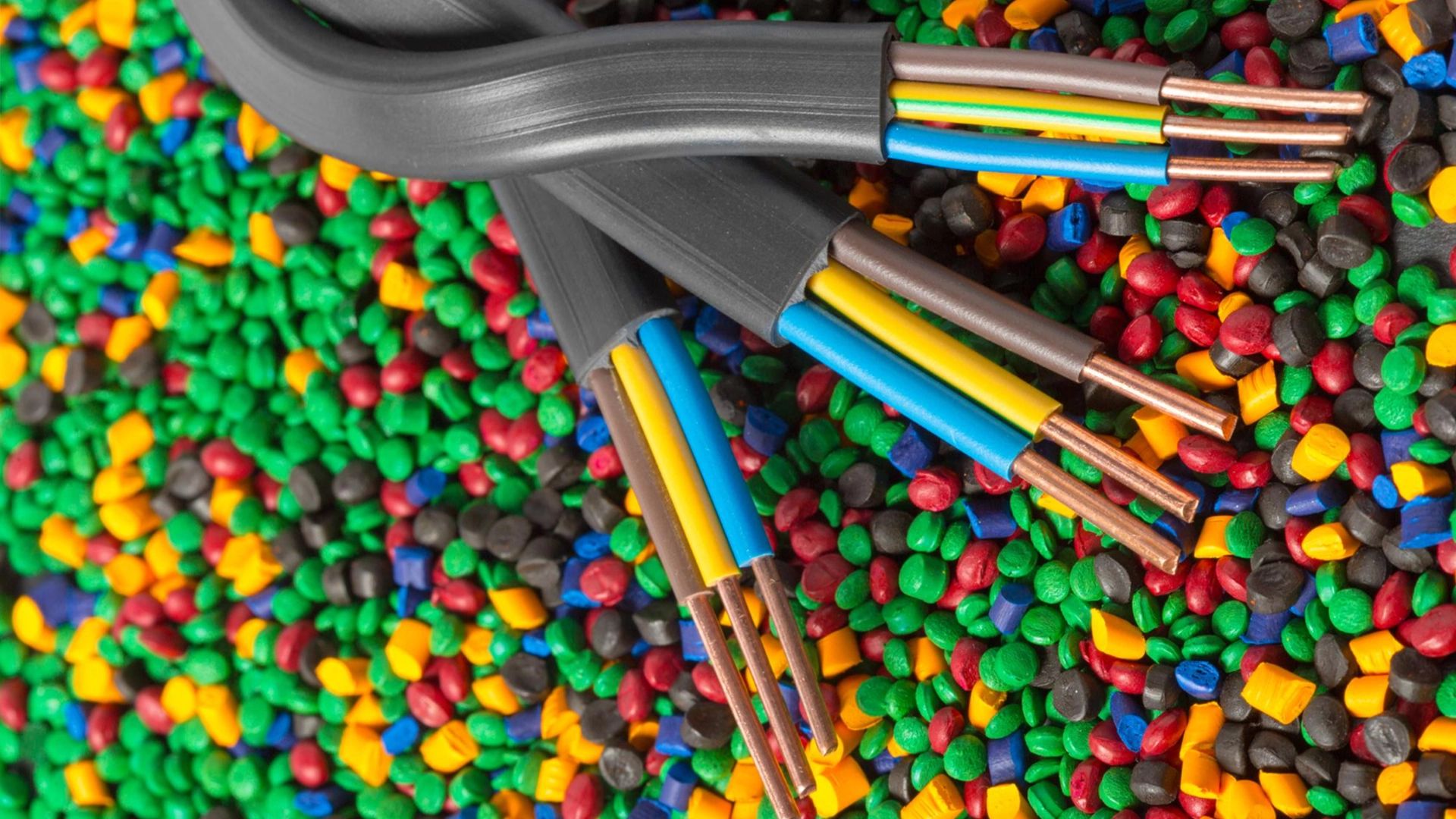
Every industry reaches a point where regular cables stop keeping up with rising temperatures and demanding environments. That is where Silicon Rubber Insulated Cables started gaining attention.
These cables stay stable when the heat increases or systems run for extended hours. The insulation stays flexible even when exposed to rapid temperature shifts, which helps reduce unexpected failures. In areas where machines run continuously, this stability becomes a strong reason to switch.
The shift began quietly but grew quickly as buyers noticed how reliably silicone rubber cables perform. Each application that demanded higher durability pushed the transition further.
This growing demand naturally leads to the question of what makes silicone cables different from the rest and why industries now prefer them.
Why This Shift Matters Today
Electrical systems today are designed to deliver more power using less space. That means higher heat, more vibration, and tighter layouts. Traditional insulation often struggles in these settings. Silicon Rubber Insulated Cables handle these conditions more steadily because the insulation does not harden or crack with continuous heat. Manufacturers appreciate this consistency because it reduces downtime and cable replacements.
As industries expand their operations and introduce new technology, the need for safer wiring becomes stronger. Silicone rubber cables offer the level of safety and longevity that modern systems expect.
This brings us closer to understanding why silicone cables are becoming a preferred option for sectors that cannot afford insulation failures.
What Makes Silicone Rubber Insulation Different
The standout feature of Silicon Rubber Insulated Cables is their ability to remain flexible even in extreme temperatures. The insulation resists heat without losing strength and maintains its shape in cold weather. Because of this, silicone rubber cables are a reliable option in locations with frequent heat spikes or continuous operation. The attractiveness is further enhanced by their resistance against UV and ozone.
Another quality buyers notice is the cable’s stability during movement. Even when exposed to vibration or bending, silicone cables maintain their electrical performance.
These characteristics show why more industries are considering a long-term switch to insulation that is built for demanding environments, which guides us to where these cables create the most impact.
Where Silicone Rubber Insulated Cables Make The Biggest Difference
Automotive and EV systems often run near high heat and chemical vapours. Here, Silicon Rubber Insulated Cables stay dependable because they do not soften or break down easily. EV makers prefer them for battery zones where temperature changes are frequent.
In appliances, heating tools, and industrial equipment, silicone rubber cables support stable performance without early wear. They handle movement, bending, and external exposure with steady results. Their ability to resist UV radiation also makes them suitable for outdoor or semi-outdoor installations.
Each application demands a cable that can tolerate challenging conditions without slowing operations, which leads directly to the advantages that push industries to choose silicone cables more confidently.
The Real World Advantages Driving The Switch
The extended service life that silicon rubber insulated cables provide is its biggest benefit. The insulation does not develop brittle in colder climates or break in hotter ones. As a result, fewer replacements are required. Safety is an additional advantage. Even in the presence of movement, vibration, or UV radiation, the insulation retains its electrical stability.
These cables also help lower maintenance costs because they do not fail easily during continuous use. Buyers appreciate steady performance since it keeps machines running smoothly.
These advantages show why silicone rubber cables have become a practical choice for industries looking for durability, guiding us to some insights that many buyers are unaware of.
Insights About Silicone Rubber Cables
The fact that silicone cables maintain their flexibility even when frozen surprises a lot of customers. They help avoid undesirable surface deposits since they are difficult to draw moisture from. The fact that they remain stable even after extended exposure to ozone or UV radiation is another intriguing feature. Additionally, their insulating structure can withstand rapid temperature changes without compromising its integrity.
These qualities make Silicon Rubber Insulated Cables dependable in environments that fluctuate often. Their resistance to aging gives them a longer usable life compared to many standard materials.
These lesser-known details help buyers make informed decisions and bring us to why choosing the right supplier matters.
Why Buyers Prefer Industry-Ready Silicone Rubber Cable Manufacturers
Buyers need suppliers who understand material science as well as performance needs. Manufacturers who work with multiple insulation materials, including silicone cables, bring better design support for high-temperature applications. Experience with automotive wiring, EV systems, and industrial machinery helps ensure each cable is tested and reliable.
Dedicated testing facilities, certifications, and strong process control systems also help maintain steady quality. This becomes important when cables are used in equipment that cannot afford downtime.
Such consistent capabilities help buyers adopt silicone rubber cables confidently and move smoothly toward solutions that fit long-term operational needs.
Summing Up!
The growing need for safer, long-lasting, and stable wiring drives the shift toward Silicon Rubber Insulated Cables. As industries continue using equipment that runs hotter and faster, silicone rubber cables offer the reliability needed to support these systems. Their ability to handle UV radiation, heat, and movement makes them a practical choice across applications.
If you are planning your next wiring requirement and want to explore dependable silicone cables. In that case, we can help you understand the best fit for your application. Feel free to reach out and discuss your needs with our team.