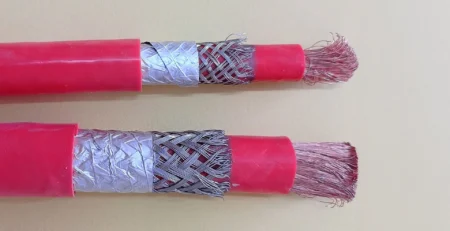
Complete Guide to Shielded Cable, Types, Benefits, and EV Applications
Electrical systems today are more advanced than they have ever been. Yet many industries still face a common issue, unstable performance caused by interference. You may invest in high-end equipment, but if the wiring is not right, the results rarely meet expectations.
That is where the role of shielded copper wire and copper shielded cable came to save the day. The right cable does not just transmit power, it protects performance, safety, and long-term reliability. Let’s explore how.
Understanding Electrical Interference in Real Applications
Think about a control panel that has unpredictable behaviour or an EV system that shows inconsistent readings. In many cases, the issue is not always the machine itself but rather the wiring behind it.
Electrical interference, also known as EMI(Electro Magnetic Interference), disrupts signals and drastically reduces efficiency. When standard copper cable is used, which doesn’t have proper shielding, then the signals can weaken or become distorted. This leads to many issues, like a drop in performance, overheating, and can even cause equipment failure over time.
Studies indicate that EMI can reduce signal quality by up to 30% in unshielded environments, and that is a significant loss, especially in systems where accuracy is a critical factor.
This raises an important question.
If interference is so common, why not eliminate it at the source?
Why Shielding Matters in Modern Systems
The answer lies in how modern systems are designed. Today, industries rely heavily on automation, electronics, and data driven operations. From factories to EVs, every system depends on clean and stable signal transmission.
At the same time, the number of electrical devices operating in close proximity has increased. This creates an environment where interference is unavoidable.
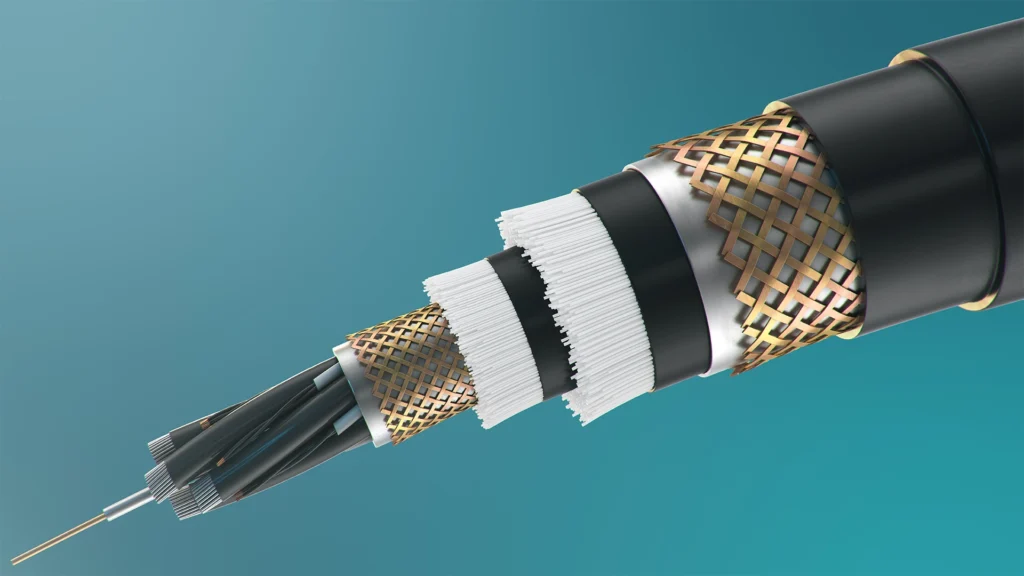
Shielding helps manage this challenge. A well-designed copper shielded cable acts as a protective barrier that prevents external signals from disturbing internal transmission.
This is especially relevant in fast growing sectors, for example, EV. According to the International Energy Agency, global EV sales crossed 14 million units in 2023. These vehicles use significantly more wiring when compared with traditional systems, often 2.5 to 4 times more copper.
With this level of complexity, the need for reliable, flexible copper cable with proper shielding becomes essential. Without it, performance and safety can both be compromised.
Types of Shielded Cable and Their Applications
Not all shielding works the same way. The right choice depends on the environment, application, and level of interference expected.
Braided Shielded Cables
These cables use woven strands of copper around the conductor. This design offers strong mechanical protection along with effective shielding.
They are widely used in automotive wiring and industrial setups where durability is just as important as performance.
Foil Shielded Cables
Foil shielding uses a thin metallic layer to wrap the conductor. It is highly effective against high-frequency interference.
You will often find this type in communication systems and control panels where precision matters.
Combination Shielded Cables
This type combines foil and braided shielding. It provides a higher level of protection by covering a wider range of interference frequencies.
For critical systems like EVs and advanced industrial machinery, copper shielded cable with combination shielding is a better choice.
Spiral Shielded Cables
Spiral shielding offers flexibility while maintaining moderate protection.
These are commonly used in robotics and applications that require continuous movement, for example, factory robots. where a flexible copper cable is necessary.
Choosing the right type is not about preference, it is about matching the cable to the environment it would be used in and the applications it will perform. These factors play a key role in deciding which cable you should use.
How Shielding Improves Performance and Safety
Shielding is not just an added feature or a marketing gimmick, rather, it directly impacts how well a system performs for the application it is used for.
Improved Signal Stability
Shielding minimises noise, allowing signals to travel clearly without any interference. This is essential in systems that rely heavily on accurate data transmission.
Enhanced Safety
Electrical interference can lead to unexpected behaviour and unpredictable outcomes in systems that require accuracy. Shielding reduces these risks manyfold and supports safer and smoother operations across the life cycle.
Longer Cable Life
A protected cable faces less stress from external factors, which improves durability and reduces the need for frequent replacements, thus reducing maintenance and replacement costs.
Better Energy Efficiency
When signals and power flow smoothly, systems operate more efficiently. This reduces losses and improves the overall output of the system.
Industry data suggests that shielded cables can reduce EMI by up to 90%, depending on the design. That level of improvement can significantly impact system reliability.
Role of Shielded Cables in EV Applications
Electric vehicles are now bringing a new level of complexity to wiring systems. Unlike traditional vehicles, EVs rely heavily on electronics, sensors, and communication systems.
Battery Management Systems
These systems require precise data to function correctly. Even small interference can affect readings, and that can’t be afforded.
Using shielded copper wire ensures that signals remain accurate and stable.
Charging Systems
EV charging involves high voltage environments. Proper shielding helps maintain the safety of the system from unstable voltage and prevents disruptions in charging.
Motor and Powertrain Wiring
These areas generate high levels of electromagnetic activity. Without shielding, performance can drop and deteriorate cables faster.
This is where flexible copper cable with strong shielding plays a significant role.
Advanced Electronics
Modern EVs nowadays use multiple control units, which are connected to multiple sensors, and all of them are connected with cables for data transfer under harsh environments. The data should be transferred accurately. Having a reliable copper cable ensures smooth communication between these components.
As EV adoption grows, so does the demand for high-performance wiring solutions. The global automotive wiring harness market is expected to grow steadily, driven by this shift.
How to Choose the Right Cable for Your Needs
Selecting the right cable requires very careful evaluation of the applications where it will be used. It is not just about specifications, it is about understanding the application.
Assess the Environment
Is the system exposed to high interference, heat, or movement? These factors influence the type of shielding required.
Check Conductor Quality
High-grade copper cable ensures better conductivity and durability.
Match Shield Type to Application
Foil works well for high-frequency interference. Braided shielding adds strength. Combination shielding offers maximum protection.
Consider Flexibility
For dynamic systems, choose a flexible copper cable that can withstand movement without damage.
Look for Certifications
Tested and certified cables ensure compliance with industry standards. This adds another layer of reliability.
Making the right choice at this stage can prevent long-term issues and reduce maintenance costs.
Best Practices and Mistakes to Avoid
Even the best cable can underperform if not used correctly. Here are a few points to keep in mind.
- Do not ignore interference risks during system design.
- Avoid selecting cables based only on cost.
- Ensure proper grounding during installation.
- Do not use unshielded cables in high EMI environments.
- Match the cable type to the exact application.
Small oversights at the beginning often lead to bigger problems later.
Conclusion
Shielding is no longer optional in modern electrical systems. It plays a direct role in performance, safety, and long-term reliability. Whether you are working with industrial automation or EV applications, the right copper shielded cable makes a measurable difference.
As systems become more advanced, the need for dependable shielded copper wire continues to grow. Choosing the right cable today can help you avoid costly disruptions tomorrow.
If you are looking for industry-ready copper cable solutions that deliver consistent performance, we are here to help you make the right choice. Connect with us to find the right fit for your application.
FAQs
What is the purpose of a shielded cable?
It protects signals from interference, ensuring stable and reliable performance in electrical systems.
Where are shielded cables commonly used?
They are used in EVs, industrial automation, control panels, and communication systems.
What is the difference between foil and braided shielding?
Foil protects against high-frequency interference, while braided shielding offers durability and broader coverage.
Are shielded cables necessary for EV applications?
Yes, they are essential for maintaining signal accuracy and system safety in EV systems.
How do I choose the right copper cable?
Consider the environment, application requirements, shielding type, and certification standards before making a decision.