Different Types of Copper Cables and Their Industrial Applications

Copper cables form the backbone of every industrial electrical system. From power distribution to automation, the performance of equipment depends directly on the quality and type of copper cable used.
In industrial environments, electrical reliability is rarely questioned until something stops working. A production line slows down. Equipment overheats. Power losses quietly increase operating costs. In many cases, the issue traces back to one overlooked decision, the choice of copper cable.
As industries grow more automated and power demands rise, understanding how different copper wire types behave under real operating conditions becomes essential. This guide explores the major types of electrical copper cables, how industries use them and why selecting the right one has a direct impact on performance, safety and long-term cost control.
When Cable Selection Goes Wrong on the Shop Floor
Most cable failures do not happen overnight. They build slowly, often hidden behind panels and conduits.
Undersized conductors lead to overheating. Inadequate insulation degrades faster than expected. Voltage drops begin affecting machine efficiency. These issues show up as downtime, higher maintenance costs, or failed inspections.
In manufacturing plants, a single faulty copper cable can interrupt an entire process line. In automotive facilities, cable fatigue caused by vibration leads to repeated breakdowns. In battery plants, even minor electrical inconsistencies can affect output quality.
These are not design flaws alone. They are selection issues. Understanding why this happens brings us to a larger question. Why does copper remain the preferred conductor despite the availability of alternatives?
Why Copper Cables Still Power Industrial Growth
Industrial power systems are under more pressure than ever. Nowadays, machines are more compact, power densities are higher, safety standards are stricter and energy efficiency is no longer optional.
Copper continues to be the preferred conductor of choice because its characteristics align with these requirements. High-purity copper offers electrical conductivity of approximately 59 MS/m, which represents the global benchmark under the International Annealed Copper Standard. This level of conductivity allows electrical copper cables to transmit power efficiently with minimal resistive losses.
Another factor that plays a major role is longevity. According to the European Copper Institute, properly specified industrial copper cabling commonly delivers a service life of 30 to 50 years in stable installations. This durability reduces replacement cycles and long-term operating costs.
Market data supports this continued reliance. Research from firms such as MarketsandMarkets and Grand View Research estimates that the industrial cable market will grow at a CAGR of around 5 to 8% through the late 2020s. Automation, electrification, and EV infrastructure are driving this demand.
With that context in mind, the next step is understanding how different copper cable constructions serve different industrial needs.
The Main Types of Copper Cables Used in Industry
Not all industrial copper cables are designed to do the same job. Their construction determines where they perform best.
Solid Copper Wire for Fixed Installations
Solid copper wire uses a single, continuous conductor. This structure offers excellent conductivity and mechanical stability in fixed environments.
It matters because solid conductors maintain shape and resist movement over time. This makes them suitable for installations where vibration and flexing are minimal.
Industries commonly use solid copper wiring in building infrastructure, fixed control panels and stationary power distribution systems. When movement is not a factor, solid conductors provide long-term reliability.
Stranded Copper Cables for Flexibility
A stranded copper cable is made by twisting several smaller copper conductors together. This design makes the copper cable more flexible and better suited for conditions where movement is common.
In industrial settings, vibration, repeated bending, and regular maintenance are part of daily operations. A stranded copper wire can absorb this movement without breaking or losing performance, which helps reduce wear over time.
Because of this flexibility, stranded copper cables are commonly used in machinery wiring, motor connections, and automotive assemblies, where durability and long service life are critical.
Multi-Core Electrical Copper Cables
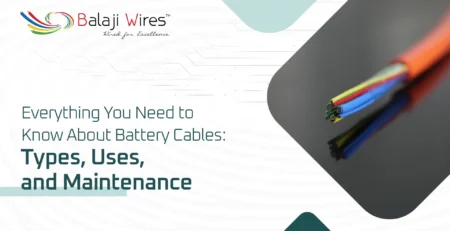
Multi-core electrical copper cables contain several insulated copper conductors enclosed within a single outer sheath. This construction allows multiple circuits to run through one copper cable, making wiring systems easier to manage.
By grouping conductors together, these cables reduce installation clutter and improve safety. They are commonly used in control panels, automation systems, and equipment requiring coordinated power and signal transmission.
In industrial settings where space and organisation matter, multi-core designs provide a practical and reliable solution.
Flexible Copper Cables for Dynamic Applications
Some environments demand constant motion. Robotics, conveyors, and automated assembly lines require cables that move repeatedly without failure.
Flexible industrial copper cables are designed with fine-stranded conductors and specialised insulation. This combination allows them to withstand continuous bending while maintaining electrical integrity.
Without this flexibility, cable fatigue becomes inevitable. That is why dynamic systems rely heavily on these specialised designs.
High-Temperature and Special-Insulation Copper Cables
Heat, chemicals, and harsh conditions introduce another layer of complexity. Standard insulation materials may degrade quickly under such exposure.
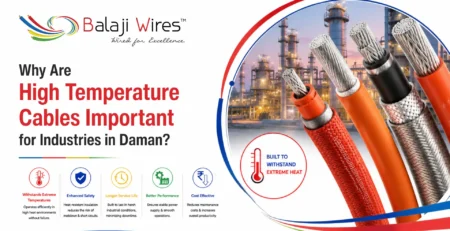
High-temperature copper cables use advanced insulation compounds to maintain performance under elevated thermal stress. Industries such as metallurgy, battery manufacturing, and heavy processing depend on these solutions.
Selecting the right insulation is just as important as selecting the conductor itself.
How Different Industries Use Copper Cables
Cable selection becomes clearer when viewed through an industry-specific lens.
Automotive and EV Manufacturing
Modern vehicles use large wiring systems packed into tight spaces. These systems face constant vibration, heat, and movement, which puts pressure on copper wire performance.
For this reason, stranded and flexible copper cables are widely used. They handle movement and temperature changes without damage. As electric vehicles become more common, the ability of a copper cable to safely carry higher current and maintain insulation quality becomes even more important.
Battery and Energy Storage Industry
Battery manufacturing depends on steady power flow and low electrical loss. Even small power drops can affect battery performance and safety.
High-conductivity copper cable solutions help maintain stable charging and discharging cycles. Good insulation is just as important, as it helps control heat during operation and protects the system over time.
Industrial Machinery and Automation
Automation systems use power, control signals, and data at the same time. To support this, multi-core and flexible electrical copper cables are commonly used.
In these environments, reliability matters every day. A cable failure can stop machines and disrupt production, which directly impacts productivity.
Infrastructure and Construction
In infrastructure projects, electrical systems are designed to operate reliably for decades. Solid and multi-core copper cables provide consistent performance and long service life in such installations.
Builders and contractors rely on certified copper cable manufacturers to meet safety requirements and deliver dependable quality without compromise.
Practical Selection Tips and Common Mistakes
Choosing the right cable does not require guesswork, but it does require attention.
Always match conductor size to load requirements. Undersized cables overheat and waste energy.
Consider operating temperature, not just ambient conditions. Heat buildup inside conduits matters.
Verify insulation compatibility with the environment. Chemicals, oils and UV exposure degrade unsuitable materials.
Work with established copper cable manufacturers that follow testing and certification protocols. Consistency matters in industrial systems.
Avoid selecting cables based solely on initial cost. Long-term reliability often outweighs short-term savings.
Final Thoughts and Next Steps
Industrial electrical systems are only as reliable as the components behind them. The right industrial copper cables improve efficiency, reduce downtime, and support long-term growth.
Understanding cable types, applications, and performance expectations allows better decisions at every stage of planning and installation.
If you are reviewing specifications or planning a new project, a focused discussion can prevent costly revisions later.
Contact our team to explore application-specific copper cable solutions or request technical guidance tailored to your industry.
FAQs
Why is copper preferred over other conductors in industrial systems?
Copper offers high conductivity, durability, and stable performance under load.
How long do industrial copper cables typically last?
Properly specified installations often deliver 30 to 50 years of service life.
Are all copper wires suitable for industrial use?
No. Conductor construction, insulation quality, and certification determine suitability.
What role do copper cable manufacturers play in system reliability?
Manufacturing standards and testing directly affect consistency and safety.
Can incorrect cable selection increase operating costs?
Yes. Voltage drops, heat losses, and maintenance issues add up over time.